Affenpinscher
This page is educational reference material for preparing questions. A licensed veterinarian examines the animal, makes the diagnosis, and sets the treatment.
Affiliate links may earn a commission. Affiliate disclosure.
Quick Facts
| Attribute | Details |
|---|---|
| Breed Group | Toy |
| Size | Toy (7-10 lbs) |
| Height | 9-11.5 inches |
| Lifespan | 12-15 years |
| Temperament | Confident, Fearless, Funny |
| Good with Kids | Better with older children |
| Good with Other Dogs | Good (can be bossy) |
| Shedding | Low |
| Exercise Needs | Low to Moderate (20-30 minutes daily) |
| Trainability | Moderate (stubborn but clever) |
Recommended for Affenpinschers
The Farmer's Dog - Fresh food for toy breeds | Embark DNA - Health screening for genetic conditions | Spot Insurance - Coverage for breed-specific conditions
Affenpinscher Overview
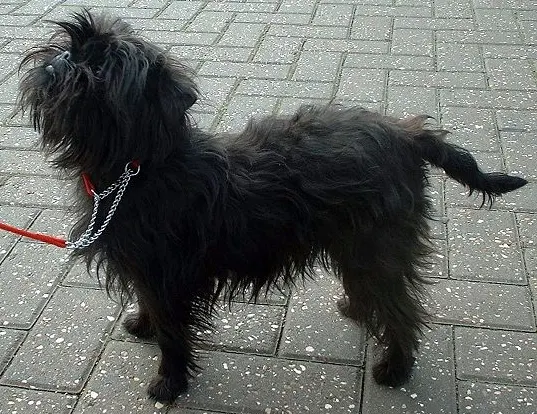
The Affenpinscher, whose name means "monkey terrier" in German, is a charming toy breed with a distinctive monkey-like face and a big personality packed into a small body. Originally bred in Germany in the 1600s to hunt rats in kitchens and stables, these little dogs evolved into beloved companions.
Often described as "mustachioed little devils," Affenpinschers combine terrier tenacity with toy dog charm. Their shaggy, wiry coat and expressive face give them an almost comical appearance, but they take themselves quite seriously. They're fearless and confident, making them excellent watchdogs despite their diminutive size.
The Affenpinscher is a breed that commands attention not just for its physical appearance but for the depth of personality and capability it brings to a household. With a lifespan averaging 12-15 years, the decision to welcome an Affenpinscher into your family is one that will shape your daily routine, activity levels, and emotional life for well over a decade. This breed's confident, fearless, funny temperament is the product of generations of selective breeding for specific traits—understanding this heritage provides valuable insight into why your Affenpinscher behaves the way it does and what it needs from you as an owner to truly thrive.
An Affenpinscher's personality unfolds on its own timeline. Early on, most owners misread the quirks as problems; a few months in, the same behaviors usually make sense once you've watched them in context.
Owning an Affenpinscher does not slot neatly into an existing routine — your schedule flexes around feeding, exercise, and downtime the animal actually needs. People who plan for that live well with the breed; people who don't tend to struggle.
Temperament & Personality
Affenpinschers are known for their entertaining personalities.
- Confident & Fearless: They don't know they're small and will face any challenge with bravado.
- Entertaining & Funny: Natural comedians who love to make their owners laugh.
- Loyal & Affectionate: Devoted to their families, though sometimes aloof with strangers.
- Stubborn & Independent: Think for themselves and may not comply immediately.
- Alert Watchdogs: Will bark to alert you to anything unusual.
The confident, fearless, funny nature of the Affenpinscher is not a simple personality label—it is a complex behavioral profile shaped by breed history, individual genetics, early socialization experiences, and ongoing environmental factors. What this means in practice is that two Affenpinscher from different lines, raised in different environments, can display meaningfully different behavioral tendencies while still sharing core breed characteristics.
Siblings of Affenpinscher from the same litter can need different food, different portions, and different routines. Use general guidance as a draft and let your vet refine it around your dog's bloodwork and body condition.
Common Health Issues
Affenpinschers are generally healthy but can be prone to certain conditions.
Respiratory Issues
- Brachycephalic Syndrome: Their short muzzle can cause breathing difficulties, especially in heat.
- Tracheal Collapse: Weakening of tracheal cartilage can occur in toy breeds.
Orthopedic Issues
- Patellar Luxation: Kneecap displacement common in toy breeds.
- Legg-Calve-Perthes Disease: Deterioration of the hip joint's femoral head.
- Hip Dysplasia: Can occur even in small breeds.
Other Concerns
- Heart Murmurs: Some Affenpinschers develop heart conditions.
- Dental Issues: Small mouths lead to crowded teeth.
- Eye Problems: Cataracts and other eye conditions can develop.
Health Screening Recommendation
Before getting an Affenpinscher, ask breeders for patella evaluations, cardiac exams, and eye certifications. Consider Embark DNA testing to screen for genetic health conditions.
A reliable baseline is what makes Affenpinscher wellness care actually work.
Genetic screening has changed how many Affenpinscher owners approach preventive health.
The middle years of an Affenpinscher's life are when subtle health shifts begin to appear — slightly slower recovery after exercise, a preference for softer resting spots, or minor changes in appetite.
Cost of Ownership
Understanding the full cost helps prepare for Affenpinscher ownership.
| Expense Category | Annual Cost Estimate |
|---|---|
| Food (premium quality) | $200-$400 |
| Veterinary Care (routine) | $250-$500 |
| Pet Insurance | $300-$550 |
| Grooming | $300-$600 |
| Training (first year) | $150-$400 |
| Supplies & Toys | $100-$200 |
| Total Annual Cost | $1,300-$2,650 |
An emergency cushion is easy to postpone and quietly expensive to skip. For an Affenpinscher, even $500 set aside for surprise vet bills or replacement gear removes most of the in-the-moment pressure from decisions that matter.
Expect higher expenses during your Affenpinscher's first year — initial vaccinations, spay or neuter surgery, microchipping, a quality bed, collar, and leash all add up.
It's tempting to delay a vet visit when your Affenpinscher looks healthy, but several of the breed's common issues are early-warning-sign problems.
Exercise & Activity Requirements
Affenpinschers have moderate exercise needs.
- Daily Exercise: 20-30 minutes of walks and play
- Indoor Play: Enjoy interactive games inside
- Mental Stimulation: Puzzle toys to engage their clever minds
- Heat Sensitivity: Limit exercise in hot weather due to flat face
- Leash Walking: Keep on leash as they may chase small animals
Training Tips for Affenpinschers
Affenpinschers require patient, creative training.
- Make it Fun: They learn best when training is entertaining
- Short Sessions: Brief training periods work better than long ones
- Positive Reinforcement: Use treats and praise; they're sensitive to harsh corrections
- Consistency: Clear rules help despite their independent nature
- Early Socialization: Expose to various people and situations as puppies
Nutrition & Feeding
Proper nutrition supports the Affenpinscher's health.
- Toy Breed Formula: Small kibble size for small mouths
- Portion Control: 1/4 to 1/2 cup daily, divided into two meals
- Quality Protein: Supports their energetic nature
- Dental Health: Consider dental-specific foods or treats
- Weight Management: Extra weight stresses small joints
Top Food Choices for Affenpinschers
The Farmer's Dog - Fresh, portion-controlled meals | Ollie - Custom fresh food plans | Hill's Science Diet - Toy breed formulas
Choosing the right food for your Affenpinscher involves more substance than marketing. Flashy ingredient lists matter less than whether the nutritional profile matches your Affenpinscher's life stage, size, and activity level. Pay attention to how your Affenpinscher responds — coat condition, energy, digestion, and weight stability are the real indicators of whether a food is working.
Grooming Requirements
Affenpinschers need regular grooming to maintain their appearance.
- Brushing: 2-3 times weekly to prevent matting
- Stripping or Trimming: Every 3-4 months for coat maintenance
- Face Cleaning: Regular cleaning around eyes and beard
- Dental Care: Daily brushing for crowded teeth
- Nail Trimming: Every 2-3 weeks
Affenpinschers Are Great For:
- Those seeking a confident, entertaining companion
- Apartment dwellers (adaptable to small spaces)
- Adults or families with older children
- People who appreciate a dog with personality and attitude
- Those wanting a low-shedding breed
Affenpinschers May Not Be Ideal For:
- Families with young children (fragile and can be snappy)
- Those wanting a highly obedient, eager-to-please dog
- Hot climates (breathing issues in heat)
- First-time owners unfamiliar with independent breeds
- Those seeking a quiet dog (they bark)
An Affenpinscher's trachea is small, and a collar on a pulling dog makes a honking cough worse. Use a harness and have a vet listen before you decide the noise is only a reverse sneeze. Loose kneecaps, Legg-Calve-Perthes disease, and crowded teeth are the rest of the small-dog list. They bite when children grab the face. The coat needs stripping or combing, not a joke about the beard. Anesthesia for a dental belongs at a clinic used to toy dogs. A dropped Affenpinscher can break a leg that a Labrador would walk off.
Related Breeds to Consider
If you're interested in Affenpinschers, you might also consider.
- Brussels Griffon - Similar size and personality
- Miniature Schnauzer - Similar appearance, larger
- Yorkshire Terrier - Similar size, different personality
- Toy Poodle - Similar size, more trainable
Ask Our AI About Affenpinschers
Related Health & Care Guides
Practical next reads for every Affenpinscher owner — chosen to answer the questions that come up most in the first year.
Get Personalized AI Guidance
Ask Our AI NowDecision Guides for Affenpinscher
Use these only when comparing food, insurance, ownership budget, or beginner fit for this specific pet.