Best Pet Insurance for Devon Rex: Coverage, Costs & Red Flags
Quick Answer
For Devon Rex, prioritize accident-and-illness coverage with hereditary-condition language, clear waiting periods, and a deductible you could still afford during an emergency. Compare reimbursement math before comparing monthly price.
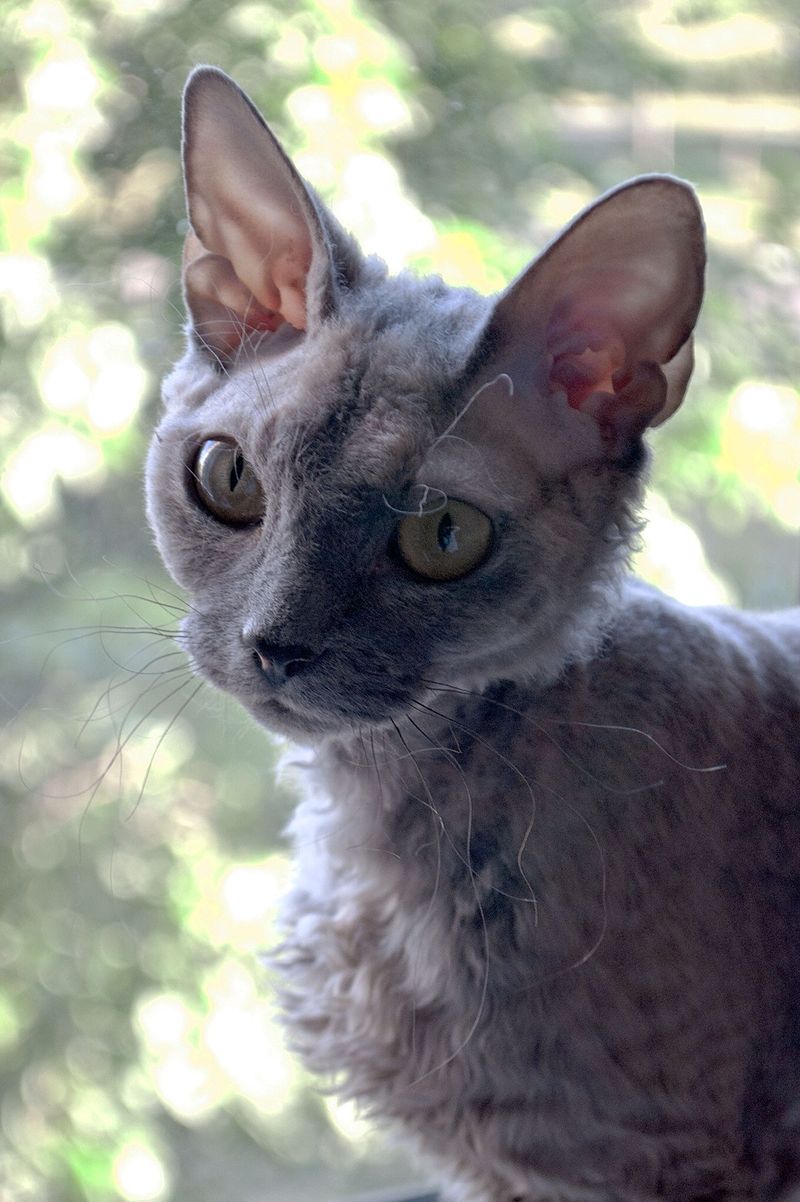
A short veterinary consultation ahead of a diet change gives your Devon Rex's plan a personalised layer that generic advice cannot provide.
Top Pet Insurance Plans for Devon Rex
| # | Provider | Why We Like It |
|---|---|---|
| 1 | Spot Pet Insurance | Comprehensive pet insurance with flexible coverage for accidents and illnesses |
| 2 | Lemonade Pet | Fast, digital pet insurance with instant claims and affordable plans |
| 3 | Trupanion | Pet insurance with direct vet payment and 90% coverage on eligible bills |
Questions Worth Asking Before You Buy
- Scope of what is insured: look for plans that name hereditary, congenital, behavioural, and dental illness explicitly in the covered list.
- Reimbursement percentage: commonly 70%, 80%, or 90%. Higher percentages cost more up front but cushion big years.
- Per-year payout ceiling: plans range from $5,000 per year to truly unlimited. For a breed prone to surgery, unlimited is usually worth the premium.
- Deductible mechanics: annual deductibles reset each policy year; per-incident deductibles apply separately to every new condition.
- Waiting periods and retroactive clauses: most plans exclude anything diagnosed or treated in the 14 days after signup and the 6 months for orthopaedic issues.
Indicative Monthly Costs
| Coverage Level | Est. Monthly Cost | Best For |
|---|---|---|
| Accident Only | $10-$25/mo | Budget-conscious owners |
| Accident + Illness | $30-$80/mo | Comprehensive protection |
| Wellness Add-On | +$10-$25/mo | Routine care coverage |
How the Three Plan Types Differ
- Accident plans: designed for the emergency visit — hit-by-car, cut pad, swallowed toy. They do not help with illness diagnosis or management.
- Comprehensive plans: the standard offer — covers accidents plus illness, cancer, hereditary conditions, and often behavioural therapy.
- Wellness add-ons: separate routine-care budgets for vaccines, annual wellness exams, and dental cleanings. Useful for new-pet households; usually a wash for established ones.
Why Devon Rex Owners Should Consider Insurance
The financial argument for insuring a Devon Rex is straightforward: breed-specific health risks make costly vet bills a realistic possibility, not a hypothetical one. Insurance converts that uncertainty into a fixed monthly cost you can plan around. Enrolling early avoids pre-existing condition exclusions and gives you the widest coverage.
Best for Comprehensive Coverage
Think of this as the knowledge layer that most Devon Rex owners skip and later wish they had started with. Treat published advice as a framework, then shape it around the particular Devon Rex sitting in your home.
Common Health Claims for Devon Rex
People often underestimate how much this piece of a Devon Rex's routine influences later health outcomes.
Coverage Considerations by Life Stage
Your Devon Rex's insurance needs evolve throughout their 12-15 years lifespan. During the first year, accident coverage is paramount as young Devon Rex cats explore their environment and encounter hazards. In the adult years, a comprehensive accident-and-illness plan protects against the onset of breed-specific conditions including Genetic Conditions and Coat and Skin Issues. For senior Devon Rex cats, ensure your policy covers chronic condition management and does not cap coverage at an age threshold. Some insurers reduce benefits or increase premiums significantly for older cats, so comparing lifetime policies early can save thousands over your Devon Rex's life.
Senior Nutrition Needs
Senior care planning for Devon Rex deserves its own line in the household budget. Typical senior-year spending runs 1.4× to 2× the adult baseline, driven by bloodwork frequency, medication for joint and organ support, and dental work accumulated over earlier years. Insurance claims concentrate here, and the household that started insurance in year one is substantially ahead of the household that attempts to start it in year eight with pre-existing conditions.
At this stage, a careful read of the policy pays off — the clauses on billing and pre-existing conditions tend to define real-world usefulness. These clauses shape what is actually reimbursed in senior years, and they vary meaningfully between carriers.
Cost-Benefit Analysis for Devon Rex
Running the numbers on Devon Rex insurance: lifetime veterinary costs for this breed typically reach $15,000-$45,000, while comprehensive insurance premiums total $5,000-$12,000 over the same period. At 80% reimbursement, a single $3,000 emergency claim returns most of one year's premium investment. For Devon Rex with predispositions to Genetic Conditions and Coat and Skin Issues, the probability of needing significant veterinary intervention makes insurance a statistically sound investment rather than a gamble.
Pre-existing Condition Awareness for Devon Rex
Rigid protocol adherence loses to attentive observation of your Devon Rex's small daily signals almost every time.
Filing Claims and Maximizing Benefits for Devon Rex
Efficient claim management maximizes your Devon Rex insurance investment. Document every veterinarian visit with detailed notes and itemized invoices from the first appointment. Most insurers now accept claims via mobile app with photo uploads of receipts, with processing times of 5-14 business days. For Devon Rex, keep a dedicated health folder with vaccination records, diagnostic results, and treatment histories—this speeds claim review and prevents delays from missing documentation. When Devon Rex receives treatment for conditions like Genetic Conditions, submit the claim within 24-48 hours while details are fresh. Track your annual deductible progress so you know exactly when reimbursements begin, and schedule elective procedures strategically after the deductible is met to maximize the policy year value.
When to Upgrade or Switch Devon Rex Insurance
Devon Rex-specific guidance outperforms generic pet content on almost every practical question.