Zebra Danio
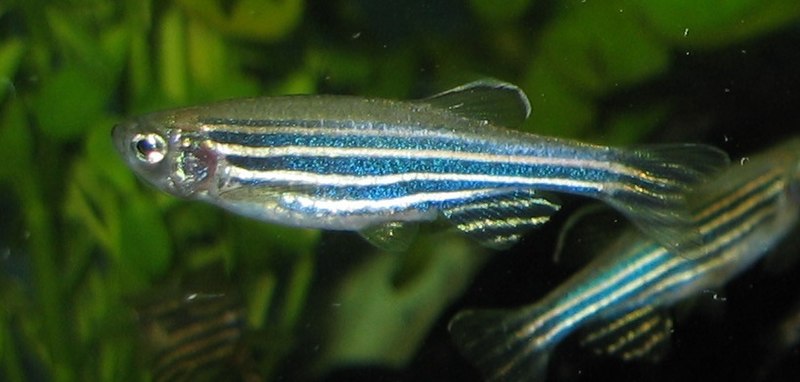
Quick Facts
| Attribute | Details |
|---|---|
| Scientific Name | Danio rerio |
| Origin | South Asia (India, Pakistan, Bangladesh) |
| Size | 2 inches (5 cm) |
| Lifespan | 3-5 years |
| Temperature Range | 64-77°F (18-25°C) |
| pH Range | 6.5-7.5 |
| Tank Size Minimum | 10 gallons |
| Care Level | Easy |
| Diet | Omnivore |
| Temperament | Peaceful, Active |
Recommended for Zebra Danios
Aquarium Co-Op - Quality foods & supplies | Seachem - Water treatment | Fluval - Aquarium equipment
Zebra Danio Overview
Zebra Danios are one of the hardiest and most popular aquarium fish, known for their distinctive horizontal blue stripes and incredibly active swimming behavior. These small, energetic fish have been aquarium staples for decades and are often recommended for cycling new tanks due to their exceptional tolerance for varying water conditions.
Beyond their aquarium popularity, zebra danios are important in scientific research, particularly genetics and developmental biology. They're one of the few fish that can tolerate cooler temperatures, making them suitable for unheated aquariums in moderate climates. GloFish, the genetically modified fluorescent variety, are derived from zebra danios.
Understanding the full scope of Zebra Danio care requires appreciating the biological and behavioral complexity of this species. As a 2 inches (5 cm) aquatic animal with a typical lifespan of 3-5 years, the Zebra Danio has evolved specific physiological adaptations that directly influence how they should be kept in captivity. Their natural habitat—characterized by specific water chemistry, flow patterns, and ecological relationships—provides the blueprint for successful aquarium husbandry. Experienced aquarists consistently note that Zebra Danio thrive when keepers replicate these natural conditions as closely as possible, rather than simply meeting minimum survival parameters.
The Zebra Danio's behavioral repertoire extends well beyond what casual observers might expect. These fish exhibit complex social hierarchies, territorial behaviors, and feeding strategies that become increasingly apparent in well-maintained aquarium environments. Their peaceful, active disposition means that tank mate selection requires careful consideration—not all community fish are compatible, and individual personality variation means that even within the same species, behavioral differences can be significant. Keepers who invest time in observing their Zebra Danio's natural behaviors are better equipped to identify stress indicators, illness onset, and social conflict before these issues escalate into serious problems.
Zebra Danio long-term welfare responds more to maintenance rhythm and species-appropriate stocking than to any single product choice rather than copied from general fish templates.
Natural Habitat & Origin
Zebra danios originate from South Asian waterways: Your aquatic veterinarian and experienced Zebra Danio owners can offer perspective tailored to your situation.
- Native Range: India, Pakistan, Bangladesh, Nepal, Myanmar
- Habitat: Streams, rivers, rice paddies, seasonal pools
- Environment: Often in areas with current and vegetation
- Climate: Subtropical - experience seasonal temperature variations
Tank Requirements & Setup
Zebra danios need space for their active swimming: Understanding how this applies specifically to Zebra Danio helps you avoid common pitfalls.
Tank Size
- Minimum: 10 gallons for a school of 6
- Recommended: 20+ gallons (long tanks preferred)
- School Size: Keep 6+ for best behavior
- Lid: Secure lid essential - they jump!
Essential Equipment
- Filter: Moderate to strong flow appreciated
- Heater: Often optional - tolerates room temperature
- Lighting: Standard aquarium lighting
- Secure Lid: Prevent jumping
Decoration & Plants
- Open Swimming: Need plenty of room to swim
- Plants: Live plants along sides and back
- Current: Appreciate water movement
- Substrate: Any type works
Water Parameters
Zebra danios are very adaptable: Your aquatic veterinarian and experienced Zebra Danio owners can offer perspective tailored to your situation.
| Parameter | Ideal Range |
|---|---|
| Temperature | 64-77°F (18-25°C) |
| pH | 6.5-7.5 |
| Ammonia | 0 ppm |
| Nitrite | 0 ppm |
| Nitrate | <40 ppm |
| Hardness (GH) | 5-19 dGH |
Temperature Flexibility
Zebra danios can tolerate a wide temperature range, making them suitable for unheated tanks in moderate climates. However, avoid rapid temperature fluctuations.
Diet & Feeding
Zebra danios are easy to feed and accept most foods.
Primary Foods
- Flake Food: High-quality tropical flakes
- Micro Pellets: Small floating pellets
- Frozen Foods: Brine shrimp, daphnia, bloodworms
- Live Foods: Brine shrimp, mosquito larvae
Feeding Guidelines
- Feed 2-3 times daily
- Small amounts they consume quickly
- They feed at all tank levels
This foundation turns subsequent decisions from guesswork into calibration, which is where better outcomes usually come from
Zebra Danio stable water parameters, appropriately measured feeding, and a consistent quarantine protocol carry most of the welfare signal; these factors drive outcomes more than brand-name products.
Behavior & Temperament
- Extremely Active: Constantly swimming, often near surface
- Schooling: Must be kept in groups of 6+
- Peaceful: Non-aggressive toward other fish
- Fast Swimmers: Among the fastest small aquarium fish
- Jumpers: Will jump from open tanks
- Hardy: Tolerant of various conditions
The behavioral complexity of Zebra Danio is often underestimated by those new to the aquarium hobby. While aquarium fish are sometimes perceived as passive decorative elements, Zebra Danio display a rich repertoire of social behaviors, territorial strategies, and environmental interactions that become increasingly fascinating to observe over time. Their peaceful, active disposition provides a general framework for predicting behavior, but individual variation is significant—experienced keepers learn to read the subtle body language cues, color changes, and swimming patterns that indicate mood, stress level, and social status within the tank hierarchy.
Outcomes follow consistency and close attention to the animal in front of you — not any individual rule in this document. Small adjustments based on what you observe often yield the biggest improvements.
For Zebra Danio, the most reliable results come from parameter consistency, species-matched diet rotation, and early correction of stress signals.
Compatibility with Other Fish
Time spent understanding this topic is one of the highest-leverage investments a Zebra Danio owner can make. Watch your individual Zebra Danio for feedback signals, and tune routines to the patterns you actually see.
Compatible Tank Mates
- Other danios (celestial pearl, giant)
- Corydoras catfish
- Barbs (with caution)
- Tetras
- Rasboras
- White Cloud Mountain minnows
- Goldfish (in cooler setups)
Incompatible Species
- Very slow-moving fish (may be stressed by activity)
- Long-finned fish (may be nipped)
- Aggressive cichlids
- Very timid species
Breeding Information
Zebra danios are easy to breed: Your aquatic veterinarian and experienced Zebra Danio owners can offer perspective tailored to your situation.
- Egg Scatterers: Scatter eggs over substrate/plants
- Spawning: Usually in morning, triggered by light
- Eggs: 100-400 non-adhesive eggs
- Hatching: 2-3 days
- Fry Care: Remove adults (they eat eggs); feed infusoria, then baby brine shrimp
- Breeding Setup: Marbles or mesh to protect eggs from adults
Popular Varieties
- Wild Type: Blue horizontal stripes on silver
- Leopard Danio: Spotted pattern
- Long-Fin: Extended finnage
- GloFish: Genetically modified fluorescent colors
- Albino: Lack of pigmentation
Common Health Issues
This is the care detail that looks harmless to defer and proves meaningful to defer — the households that handle it on schedule spend less in aggregate than the ones that do not.
Ich
- Symptoms: White spots on body and fins
- Treatment: Raise temperature, ich medication
Mycobacteriosis
- Symptoms: Curved spine, weight loss, lethargy
- Note: Can be associated with danios, no cure
Fin Rot
- Symptoms: Deteriorating fins
- Treatment: Clean water, antibacterial medication
Zebra Danio Health Products
API Stress Coat - Reduces stress | Seachem Prime - Water conditioner | Aquarium Co-Op - Quality foods
Start with these fundamentals and build from there — experience with your own situation will reveal the adjustments that matter most.
A care programme built around these traits routinely outperforms a generic template because the inputs are already closer to the animal's real requirements.
Is This Fish Right for You?
Anyone willing to learn the Zebra Danio's natural tendencies usually build deeper trust with the animal too.
Zebra Danios Are Great For:
- Beginners to fishkeeping
- Cycling new aquariums
- Unheated/cooler tanks
- Active, lively aquarium displays
- Easy breeding projects
Zebra Danios May Not Be Ideal For:
- Very small tanks
- Peaceful setups needing calm fish
- Open-top aquariums
- Tanks with slow, timid fish
Before committing to a Zebra Danio, think less about whether this species is "easy" or "hard" and more about whether your setup matches its specific needs. Tank size, water parameters, filtration capacity, and compatible tankmates are the factors that actually determine success. A species rated as easy can still fail in the wrong environment.
If you have done your homework and your tank is ready, a Zebra Danio can be a genuinely rewarding addition to your aquarium. The key is preparation — not enthusiasm alone.
Cost of Ownership
Your actual costs for Zebra Danio care will depend on where you live, your animal's health, and the choices you make. The figures above are a reasonable starting point, but plan for some variation. Having even a small emergency fund takes real pressure off when surprises arise.
Building dependable habits here is slow work with compounding returns; the initial investment pays back throughout ownership.
Focus on the items most relevant to your household — not every recommendation applies equally to every animal or every owner.
Related Species
- Neon Tetra - Colorful schooling fish
- Cherry Barb - Active, colorful fish
- Goldfish - Another coldwater option
- Corydoras - Great tank mate
Ask Our AI About Zebra Danios
Have specific questions about zebra danio care, breeding, or health issues? Our AI assistant can provide personalized guidance.
Get Personalized AI Guidance
Nail the basics — diet, exercise, preventive care — before worrying about optimisation at the edges.
Ask Our AI NowDecision Guides for Zebra Danio
Use these only when comparing food, insurance, ownership budget, or beginner fit for this specific pet.