West Highland White Terrier
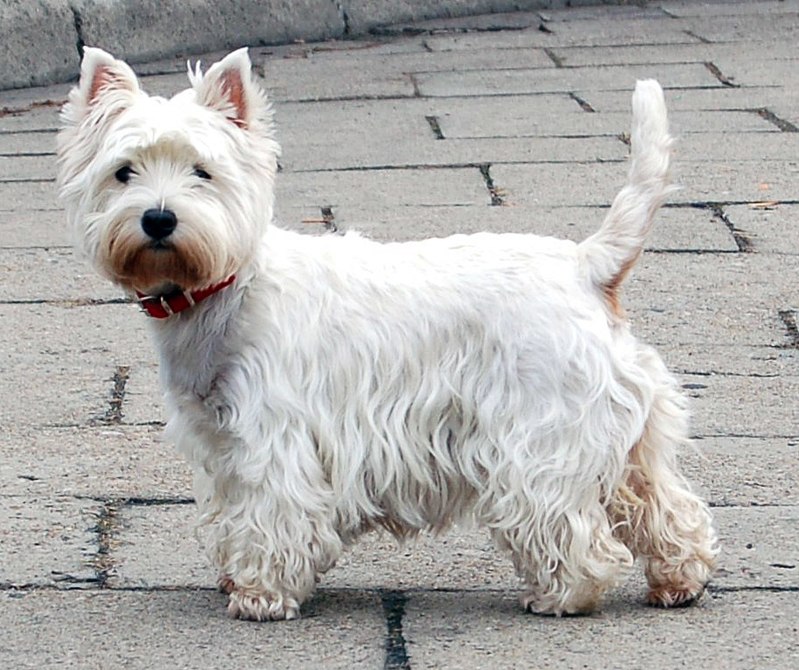
Quick Facts
| Attribute | Details |
|---|---|
| Breed Group | Terrier |
| Size | Small (15-20 lbs) |
| Height | 10-11 in |
| Lifespan | 13-15 years |
| Temperament | Loyal, Happy, Entertaining |
| Good with Kids | Good |
| Shedding | Moderate |
| Exercise Needs | Moderate |
| Grooming Needs | Moderate |
Recommended for West Highland White Terriers
The Farmer's Dog - Fresh meals tailored to breed size | Embark DNA - Screen for breed-specific conditions | Spot Insurance - Coverage for West Highland White Terrier health issues
West Highland White Terrier Overview
The West Highland White Terrier is a small terrier breed known for being loyal, happy, entertaining. Weighing 15-20 lbs and standing 10-11 in tall, this breed combines an appealing appearance with a wonderful temperament that has made it a favorite among dog enthusiasts worldwide. With a lifespan of 13-15 years, the West Highland White Terrier offers years of loyal companionship.
Originally developed for hunting vermin and small game with tenacity and courage, the West Highland White Terrier has evolved into an excellent family companion while retaining many of its original instincts and abilities.
West Highland White Terriers are good family dogs that do well with respectful children. Their loyal nature makes them adaptable to various living situations including apartments with adequate exercise.
The West Highland White Terrier is a breed that commands attention not just for its physical appearance but for the depth of personality and capability it brings to a household. With a lifespan averaging 13-15 years, the decision to welcome a West Highland White Terrier into your family is one that will shape your daily routine, activity levels, and emotional life for well over a decade. This breed's loyal, happy, entertaining temperament is the product of generations of selective breeding for specific traits—understanding this heritage provides valuable insight into why your West Highland White Terrier behaves the way it does and what it needs from you as an owner to truly thrive.
The West Highland White Terrier was not designed to be a generic pet, and the owners who do best with them are the ones who respect that. Learning about the breed's specific temperament, activity needs, and health predispositions takes effort, but that effort directly translates into a healthier, happier West Highland White Terrier and a more rewarding ownership experience overall.
A West Highland White Terrier will change your household in ways both expected and surprising. Some of those changes are practical — new equipment, a feeding schedule, a cleaning routine. Others are subtler: a heightened awareness of temperature, a new attentiveness to behavior, a different rhythm to your evenings. Owners who welcome these shifts rather than resisting them tend to build a more harmonious relationship with their West Highland White Terrier.
Temperament & Personality
West Highland White Terriers have a distinctive personality that endears them to their owners: Your veterinarian and experienced West Highland White Terrier owners can offer perspective tailored to your situation.
- Loyal: This defining trait makes the West Highland White Terrier a standout companion that bonds deeply with their family.
- Happy: Their happy nature means they are always eager to please and participate in family activities.
- Entertaining: West Highland White Terriers show remarkable entertaining in various situations and environments.
- Family-Oriented: They thrive on human companionship and form strong bonds with all family members.
- Alert: West Highland White Terriers are naturally watchful and will alert their families to unusual activity.
- Moderately Active: Their energy level is moderate, requiring moderate daily walks and play sessions.
- Social: West Highland White Terriers can be selective with strangers but warm up with proper introductions.
- Trainable: Their intelligence makes training rewarding but requires patience due to their independent streak.
The loyal, happy, entertaining nature of the West Highland White Terrier is not a simple personality label—it is a complex behavioral profile shaped by breed history, individual genetics, early socialization experiences, and ongoing environmental factors. What this means in practice is that two West Highland White Terrier from different lines, raised in different environments, can display meaningfully different behavioral tendencies while still sharing core breed characteristics. Understanding this distinction helps owners set realistic expectations and develop training strategies tailored to their individual dog rather than relying solely on breed generalizations.
Social behavior in West Highland White Terrier develops through distinct life stages, and each stage presents opportunities and challenges for owners. The critical socialization window (roughly 3-16 weeks) is when exposure to varied people, animals, environments, and experiences has the greatest positive impact on long-term behavioral stability. However, socialization is not an one-time event—it is an ongoing process that requires continued positive exposure throughout the dog's life. West Highland White Terrier that are well-socialized as puppies but then isolated can experience social regression, while dogs with less-than-ideal early socialization can improve significantly with patient, positive exposure later in life. The key is consistency and quality of experiences rather than sheer quantity.
Managing the West Highland White Terrier's energy and drive within a household context requires strategic thinking rather than just exercise. While physical activity is important, mental stimulation is equally essential for this breed's behavioral balance. West Highland White Terrier that receive adequate physical exercise but insufficient mental engagement often develop nuisance behaviors such as excessive barking, destructive chewing, or repetitive behaviors. Effective mental stimulation for West Highland White Terrier includes structured training sessions, puzzle toys, scent work, novel environment exploration, and activities that engage their breed-specific instincts in appropriate ways. Many experienced West Highland White Terrier owners report that 15 minutes of focused mental exercise produces more behavioral satisfaction than an hour of repetitive physical activity.
Common Health Issues
West Highland White Terriers are generally healthy dogs, but like all breeds, they can be prone to certain conditions.
skeletal and joint concerns
- Patellar Luxation: A common concern in small breeds. Regular screening and maintaining healthy weight helps manage this condition.
- Legg-Calve-Perthes: Can affect West Highland White Terriers, particularly as they age. Early detection through regular vet visits is important.
genetic predispositions to conditions like allergies, autoimmune disorders, and organ-specific diseases
- Dental Issues: West Highland White Terrier owners should be aware of this condition and discuss prevention strategies with their veterinarian.
- Eye Conditions: Regular health screening helps catch this condition early when it is most treatable.
- Skin allergies: A breed-relevant concern that responsible breeders screen for.
Health Screening Recommendation
Request appropriate health clearances from breeders including hip evaluations, eye certifications, and cardiac screenings. Consider Embark DNA testing to screen for breed-specific genetic conditions in your West Highland White Terrier.
Taking care of a West Highland White Terrier's long-term health means knowing what to watch for and when to act. Rather than waiting for obvious symptoms, experienced owners learn to read the quieter signals: a skipped meal here, a hesitation on the stairs there. Bringing those details to your vet during regular visits creates a much richer clinical picture than a single exam can provide on its own, and it is often the difference between catching an issue early and dealing with it late.
Genetic testing gives West Highland White Terrier owners a head start on conditions that might otherwise catch them off guard. By understanding which health risks are written into your West Highland White Terrier's DNA, you can work with your vet to schedule targeted checks and make informed choices about diet, exercise, and supplementation. The information is not a diagnosis — it is a roadmap for smarter, more personalized care.
The shift from prime adulthood to the senior phase is gradual for most West Highland White Terriers, and the owners who navigate it best are the ones who adapt their care approach incrementally. Small changes — a diet with better joint support, slightly shorter but more frequent exercise sessions, and annual bloodwork instead of biennial — add up to a meaningfully better quality of life in the later years.
Cost of Ownership
Understanding the full cost of West Highland White Terrier ownership helps you prepare financially: Your veterinarian and experienced West Highland White Terrier owners can offer perspective tailored to your situation.
| Expense Category | Annual Cost Estimate |
|---|---|
| Food (premium quality) | $300-$600 |
| Veterinary Care (routine) | $300-$600 |
| Pet Insurance | $300-$600 |
| Grooming | $100-$300 |
| Training (first year) | $200-$500 |
| Supplies & Toys | $150-$300 |
| Total Annual Cost | $1,350-$4,000 |
Save on West Highland White Terrier Care
Chewy Autoship - Save up to 35% on food & supplies | Lemonade Pet - Affordable coverage from $15/month | K9 Training Institute - Expert West Highland White Terrier training
Use this as orientation; your veterinarian can sharpen the specifics based on what they see in your West Highland White Terrier.
Most new West Highland White Terrier owners are surprised by first-year costs. The initial setup — vet visits, vaccinations, supplies, and often training classes — can easily double the annual maintenance figure. The good news is that subsequent years are more predictable. Just keep in mind that senior West Highland White Terriers may need additional care as they enter the last few years of their 13-15 years lifespan.
Think of preventive care as an insurance policy with a guaranteed payout. The cost of annual exams, vaccinations, dental care, and heartworm prevention is a known quantity you can budget for. The cost of treating a preventable disease is unpredictable and almost always higher. For West Highland White Terrier owners, staying on top of preventive care is one of the simplest ways to reduce lifetime veterinary expenses.
Exercise & Activity Requirements
West Highland White Terriers have moderate exercise needs: Your veterinarian and experienced West Highland White Terrier owners can offer perspective tailored to your situation.
- Daily Exercise: 45-60 minutes of daily walks and play sessions.
- Mental Stimulation: Puzzle toys, training sessions, and interactive games are essential for this intelligent breed.
- Activities: Enjoys earthdog trials, agility, and interactive play.
- Socialization: Regular interaction with other dogs and people keeps your West Highland White Terrier well-adjusted.
- Age Considerations: Puppies need controlled exercise to protect developing joints; seniors benefit from gentler activity.
Training Tips for West Highland White Terriers
Training a West Highland White Terrier is rewarding but requires patience and consistency: Understanding how this applies specifically to West Highland White Terrier helps you avoid common pitfalls.
- Positive Reinforcement: Use treats, praise, and play as rewards for desired behaviors.
- Consistency: Establish clear rules and maintain them across all family members.
- Early Socialization: Expose your West Highland White Terrier to various people, animals, sounds, and environments from puppyhood.
- Short Sessions: Keep training sessions to 10-15 minutes for maximum effectiveness.
- Patience: Their independent streak means they may not always comply immediately - stay patient and make training more rewarding than alternatives.
- Professional Help: Consider professional training classes, especially for first-time West Highland White Terrier owners.
Nutrition & Feeding
Proper nutrition is essential for your West Highland White Terrier's health: Your veterinarian and experienced West Highland White Terrier owners can offer perspective tailored to your situation.
- High-Quality Food: Choose foods with named meat proteins as the primary ingredient, appropriate for small breeds.
- Portion Control: Follow feeding guidelines based on ideal weight and adjust based on activity level.
- Life Stage: Feed puppy formula until 12 months, then transition to adult food.
- Meal Schedule: Two measured meals daily for adults; three meals for puppies.
- Fresh Water: Always provide access to clean, fresh water.
- Treats: Keep treats to 10% or less of daily caloric intake.
Top Food Choices for West Highland White Terriers
The Farmer's Dog - Pre-portioned fresh meals | Ollie - Custom meals for small breeds | Hill's Science Diet - Vet-recommended nutrition
What you feed your West Highland White Terrier matters more than most owners realize. Diet affects energy, coat condition, digestive health, immune function, and even behavior. There is no single "best food" — the right choice depends on your West Highland White Terrier's age, activity level, any health conditions, and how they respond to specific ingredients. Expect some trial and adjustment, especially in the first year.
Learning to read a pet food label takes five minutes and will serve you for the life of your West Highland White Terrier. Check that a named protein (chicken, beef, salmon — not "meat meal") is the first ingredient. Look at the guaranteed analysis for protein and fat percentages that match your West Highland White Terrier's needs. Ignore marketing terms like "premium" and "gourmet" — they have no regulatory meaning. The AAFCO statement on the back tells you whether the food is complete and balanced for a specific life stage, which is the information that actually matters.
Grooming Requirements
West Highland White Terriers have moderate grooming needs: When the care plan respects what specifically distinguishes a West Highland White Terrier, the day-to-day decisions become considerably clearer.
- Brushing: Brush 2-3 times weekly to remove loose hair and maintain coat health.
- Bathing: Every 4-8 weeks or as needed.
- Nail Trimming: Every 2-3 weeks to prevent overgrowth.
- Dental Care: Brush teeth several times weekly to prevent dental disease.
- Ear Cleaning: Check and clean ears weekly, especially if ears are floppy.
- Shedding: Moderate shedding throughout the year.
Is a West Highland White Terrier Right for You?
Knowing how this works in a West Highland White Terrier context removes a lot of the guesswork from day-to-day decisions. Because each West Highland White Terrier is its own animal, treat any general guideline as a starting point and refine from there.
West Highland White Terriers Are Great For:
- Families with older, respectful children
- Owners who can provide moderate daily exercise
- Both first-time and experienced dog owners
- Those looking for a loyal and devoted companion
- People who can commit to basic grooming needs
West Highland White Terriers May Not Be Ideal For:
- Owners unable to provide adequate exercise despite small size
- Those expecting a completely inactive companion
- Those who cannot tolerate any shedding
- People who leave their dogs alone for extended periods
Ask Our AI About West Highland White Terriers
Have specific questions about West Highland White Terrier health, training, or care? Our AI assistant can provide personalized guidance.
Get Personalized AI Guidance
Ask Our AI NowWhether a West Highland White Terrier fits your life comes down to a few practical questions. How much time can you realistically spend on exercise, grooming, and training each day? Is your living space suitable? Can you afford both routine care and the occasional surprise vet bill over the next 13-15 years? If the honest answers line up, a West Highland White Terrier can be a genuinely good match. If they don't, there is no shame in choosing a different dog — or waiting until your circumstances change.
Behind the grooming, the vet visits, and the training sits the real reason people keep West Highland White Terriers: the companionship. A dog that recognises its people and trusts them is a genuine presence in a home, and most West Highland White Terrier owners say that's the part that makes the upkeep feel like a fair trade.
Buying Guides for West Highland White Terrier
- Best Food for West Highland White Terrier →
- Best Pet Insurance for West Highland White Terrier →
- West Highland White Terrier Cost to Own →
- West Highland White Terrier Health Costs →
- Is West Highland White Terrier Good for First-Time Owners? →
- Best Crate Size for West Highland White Terrier →
- Best Toys for West Highland White Terrier →