Scottish Terrier
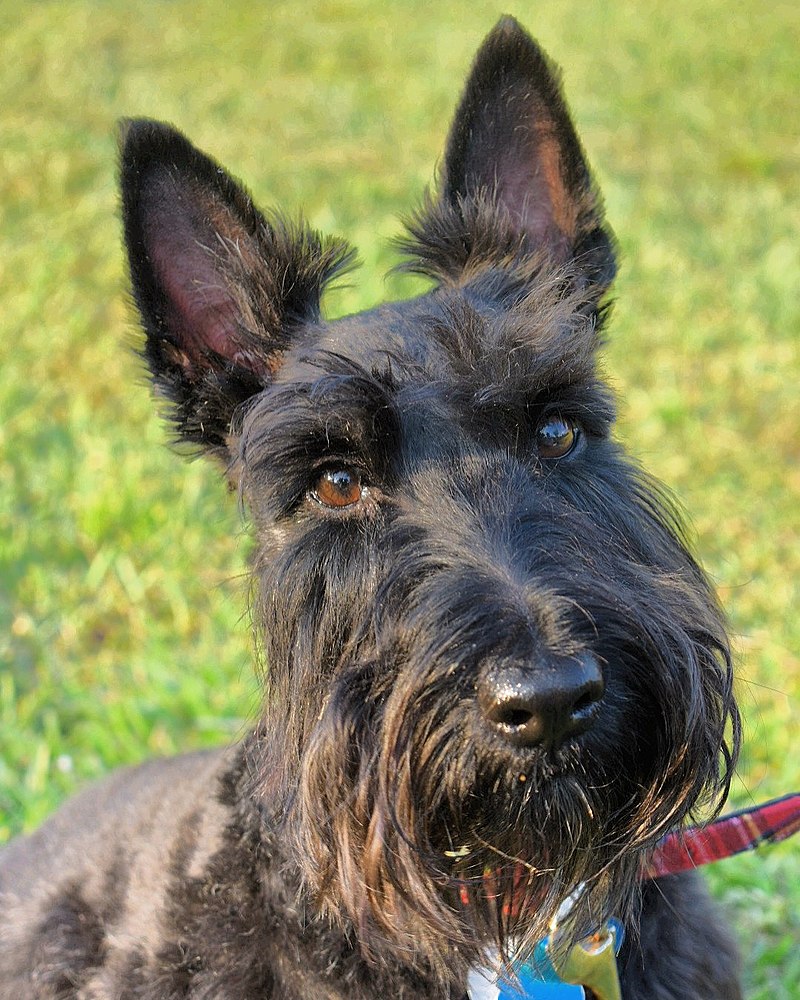
Quick Facts
| Attribute | Details |
|---|---|
| Breed Group | Terrier |
| Size | Small (18-22 lbs) |
| Height | 10 inches |
| Lifespan | 12-14 years |
| Temperament | Independent, Confident, Spirited |
| Good with Kids | Good (with older children) |
| Good with Other Dogs | Variable (can be assertive) |
| Shedding | Low |
| Exercise Needs | Moderate (30-45 min daily) |
| Trainability | Moderate (stubborn streak) |
Recommended for Scottish Terriers
The Farmer's Dog - Fresh food for small breeds | Embark DNA - Health screening for vWD and other conditions | Spot Insurance - Coverage for breed-specific conditions
Scottish Terrier Overview
The Scottish Terrier, affectionately known as the "Scottie," is one of five terrier breeds originating from Scotland. Bred to hunt badgers, foxes, and vermin in the Scottish Highlands, these compact, sturdy dogs are known for their distinctive silhouette and dignified bearing. Their wiry coat and iconic beard give them an unmistakable appearance.
Scotties have been popular throughout history, residing in the White House with Presidents Roosevelt, Eisenhower, and George W. Bush. Their independent, confident nature and loyalty to their families have made them beloved companions for generations.
The Scottish Terrier is a breed that commands attention not just for its physical appearance but for the depth of personality and capability it brings to a household. With a lifespan averaging 12-14 years, the decision to welcome a Scottish Terrier into your family is one that will shape your daily routine, activity levels, and emotional life for well over a decade. This breed's independent, confident, spirited temperament is the product of generations of selective breeding for specific traits—understanding this heritage provides valuable insight into why your Scottish Terrier behaves the way it does and what it needs from you as an owner to truly thrive.
Published guidance can describe a Scottish Terrier in general, only your veterinarian can translate that to the specific animal in your home.
Temperament & Personality
Scottish Terriers have a distinctive, dignified personality.
- Independent & Self-Assured: Confident dogs who don't seek constant attention but are deeply loyal.
- Dignified & Reserved: Often described as having an almost human-like dignity.
- Bold & Spirited: True terrier courage in a compact package.
- Loyal: Form strong bonds with their families; often become "one-person dogs."
- Alert Watchdogs: Will alert to any unusual activity or visitors.
The independent, confident, spirited nature of the Scottish Terrier is not a simple personality label—it is a complex behavioral profile shaped by breed history, individual genetics, early socialization experiences, and ongoing environmental factors. What this means in practice is that two Scottish Terrier from different lines, raised in different environments, can display meaningfully different behavioral tendencies while still sharing core breed characteristics. Understanding this distinction helps owners set realistic expectations and develop training strategies tailored to their individual dog rather than relying solely on breed generalizations.
Common Health Issues
Scottish Terriers have several breed-specific health concerns: Understanding how this applies specifically to Scottish Terrier helps you avoid common pitfalls.
Bleeding Disorders
- Von Willebrand's Disease (vWD): Blood clotting disorder; DNA testing available and recommended.
- Hemophilia B: Less common bleeding disorder in the breed.
Cancer
- Bladder Cancer (TCC): Scotties have 18-20x higher risk than other breeds; monitoring important.
- Malignant Melanoma: Higher incidence in the breed.
Other Conditions
- Scottie Cramp: Neurological condition causing movement problems during stress or exercise.
- Craniomandibular Osteopathy (CMO): Jaw bone disorder in puppies; usually resolves.
- Hypothyroidism: Underactive thyroid; manageable with medication.
- Patellar Luxation: Kneecap displacement that may require surgery.
Health Screening Recommendation
Before getting a Scottie, ask breeders for vWD DNA testing results and patellar evaluations. Consider Embark DNA testing to screen for genetic conditions. Regular urinalysis can help monitor for bladder cancer.
For a Scottish Terrier, the most effective health strategy is a consistent one. That means not just scheduling annual exams, but also staying alert at home to shifts in behavior, appetite, or energy that might otherwise go unnoticed. Owners who approach their Scottish Terrier's health with this level of everyday awareness tend to catch problems earlier and spend less on emergency interventions down the road.
Aging in a Scottish Terrier does not happen overnight, and neither should the adjustments to their care. Gradually introducing senior-appropriate nutrition, moderating exercise intensity, and increasing the frequency of wellness checks creates a smoother transition than waiting for obvious decline. Owners who start these conversations with their vet during middle age tend to see better outcomes in the senior years.
Cost of Ownership
Understanding the full cost helps prepare for Scottie ownership.
| Expense Category | Annual Cost Estimate |
|---|---|
| Food (premium quality) | $300-$500 |
| Veterinary Care (routine) | $300-$600 |
| Pet Insurance | $400-$700 |
| Professional Grooming | $400-$800 |
| Training (first year) | $150-$500 |
| Supplies & Toys | $150-$300 |
| Total Annual Cost | $1,700-$3,400 |
Exercise & Activity Requirements
Scotties have moderate exercise needs.
- Daily Exercise: 30-45 minutes of walks and play
- Mental Stimulation: Puzzle toys and games challenge their intelligence
- Digging: Natural diggers; may need designated digging area
- Earthdog Trials: Excellent outlet for their natural hunting instincts
- Moderate Activity: Not built for long-distance running or extreme heat
Training Tips for Scottish Terriers
Scotties require patient, understanding training approaches: The trade-off is simple: a few hours reading about Scottish Terrier behavior now versus larger bills and stress later.
- Understand Their Nature: Independence is a feature, not a flaw; work with it
- Positive Reinforcement: Respond best to rewards and praise
- Short Sessions: Keep training brief and interesting
- Avoid Repetition: Scotties bore easily; vary training exercises
- Early Socialization: Important for managing their assertiveness with other dogs
- Patience: They may know what you want but decide whether to comply
Nutrition & Feeding
Proper nutrition supports Scottie health.
- High-Quality Diet: Quality protein and balanced nutrition
- Portion Control: Prone to weight gain; typically 1-1.5 cups daily
- Small Breed Formula: Appropriately sized kibble for small mouths
- Omega Fatty Acids: Support skin and coat health
- Fresh Water: Important for bladder health
Top Food Choices for Scotties
The Farmer's Dog - Fresh, portion-controlled meals | Ollie - Custom fresh food plans | Hill's Science Diet - Small breed formulas
Grooming Requirements
Scotties need regular grooming to maintain their distinctive look: Your veterinarian and experienced Scottish Terrier owners can offer perspective tailored to your situation.
- Brushing: 2-3 times weekly with a slicker brush and comb
- Professional Grooming: Every 6-8 weeks for clipping or hand stripping
- Hand Stripping: Traditional method maintains proper coat texture for shows
- Beard Care: Clean after meals to prevent staining
- Nail Trimming: Every 2-4 weeks
- Ear Cleaning: Weekly to prevent infections
Is a Scottish Terrier Right for You?
Master this layer of Scottish Terrier care and everything from feeding to vet visits becomes more predictable. Generic recommendations are a reasonable starting point, but the Scottish Terrier you live with ultimately sets the standard.
Scotties Are Great For:
- Experienced dog owners who appreciate independent personalities
- Those wanting a loyal, devoted companion
- People who enjoy a dog with character and dignity
- Apartment or house dwellers (adaptable to various living situations)
- Those who appreciate low-shedding breeds
Scotties May Not Be Ideal For:
- First-time owners wanting an eager-to-please dog
- Families with very young children
- Multi-pet households without careful introductions
- Those who dislike regular grooming requirements
- People wanting immediate obedience
Related Breeds to Consider
If you're interested in Scottish Terriers, you might also consider.
- West Highland White Terrier - Scottish cousin, more outgoing
- Cairn Terrier - Similar heritage, slightly different temperament
- Skye Terrier - Another Scottish terrier, longer coat
- Norfolk Terrier - Smaller, softer nature
Ask Our AI About Scottish Terriers
The trade-off is simple: a few hours reading about Scottish Terrier behavior now versus larger bills and stress later.
Cancer Surveillance Protocol
A Scottish Terrier tends to reveal the payoff of this kind of attention gradually, rather than in a single dramatic moment.
Related Health & Care Guides
Get Personalized AI Guidance
Ask Our AI NowDecision Guides for Scottish Terrier
Use these only when comparing food, insurance, ownership budget, or beginner fit for this specific pet.