Puggle
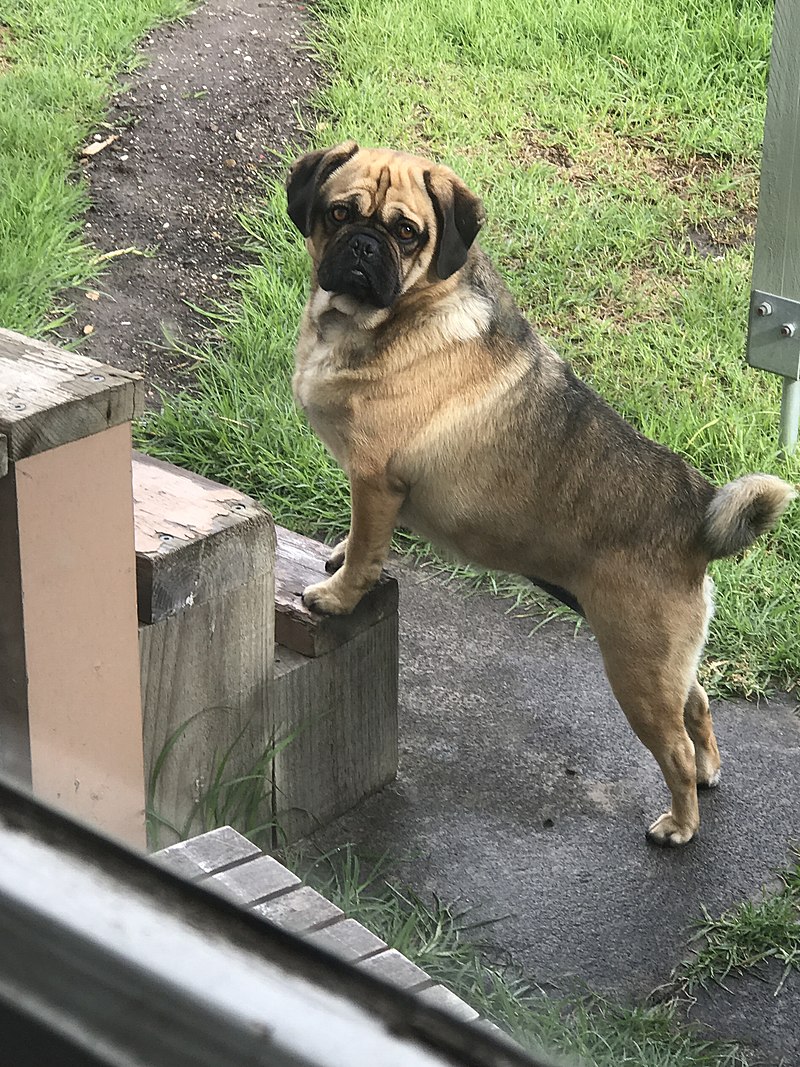
Quick Facts
| Attribute | Details |
|---|---|
| Parent Breeds | Pug + Beagle |
| Size | 15-30 lbs (typically 18-25 lbs) |
| Height | 10-15 inches |
| Lifespan | 10-15 years |
| Temperament | Friendly, Playful, Social |
| Good with Kids | Excellent |
| Good with Other Dogs | Excellent |
| Shedding | Moderate to High |
| Exercise Needs | Moderate (30-45 min daily) |
| Trainability | Moderate |
Recommended for Puggles
The Farmer's Dog - Fresh food for weight management | Embark DNA - Health screening for mixed breeds | Spot Insurance - Coverage for hereditary conditions
Puggle Overview
The Puggle is a popular designer breed created by crossing a Pug with a Beagle. First intentionally bred in the 1980s, Puggles became widely known in the early 2000s and have remained popular due to their friendly personalities and adorable wrinkled faces.
Puggles often have a longer snout than purebred Pugs, which can help reduce some breathing issues while still maintaining an endearing appearance. They combine the Pug's affectionate nature with the Beagle's playfulness and curiosity.
Parent Breed Characteristics
- Pug: A charming, affectionate breed known for their wrinkled faces and loving personalities. Bred as companion dogs, they're devoted to their families but can have breathing issues due to their flat faces.
- Beagle: A merry, curious hound bred for hunting. Known for their excellent noses, friendly nature, and tendency to follow scents. Can be vocal.
The Puggle is a breed that commands attention not just for its physical appearance but for the depth of personality and capability it brings to a household. With a lifespan averaging 10-15 years, the decision to welcome a Puggle into your family is one that will shape your daily routine, activity levels, and emotional life for well over a decade. This breed's friendly, playful, social temperament is the product of generations of selective breeding for specific traits—understanding this heritage provides valuable insight into why your Puggle behaves the way it does and what it needs from you as an owner to truly thrive.
Caring well for a Puggle requires more than meeting their basic physical needs. It means understanding their behavioral patterns, respecting their natural instincts, and recognizing the specific conditions under which they thrive. Owners who approach Puggle care with this depth of knowledge create an environment where the animal can genuinely flourish.
Sharing your space with a Puggle means making room — literally and figuratively — for their specific needs. Whether that involves adjusting your daily schedule, modifying part of your home, or simply being more mindful of noise and activity levels, the accommodation is real. Owners who recognize this early and plan for it tend to have a much smoother experience than those who expect the Puggle to simply fit into their existing routine unchanged.
Temperament & Personality
Puggles are known for their wonderful personalities: Understanding how this applies specifically to Puggle helps you avoid common pitfalls.
- Friendly: Love people and generally get along with everyone.
- Playful: Enjoy games and activities with their families.
- Social: Do well with other dogs and enjoy company.
- Affectionate: Love to cuddle and be near their owners.
- Curious: Inherit the Beagle's inquisitive nature.
- Can Be Stubborn: May have a mind of their own during training.
The friendly, playful, social nature of the Puggle is not a simple personality label—it is a complex behavioral profile shaped by breed history, individual genetics, early socialization experiences, and ongoing environmental factors. What this means in practice is that two Puggle from different lines, raised in different environments, can display meaningfully different behavioral tendencies while still sharing core breed characteristics. Understanding this distinction helps owners set realistic expectations and develop training strategies tailored to their individual dog rather than relying solely on breed generalizations.
Your veterinarian knows your Puggle best — always verify dietary choices with them, especially if your dog has existing health conditions.
Common Health Issues
Puggles can inherit health conditions from either parent breed.
Respiratory Issues
- Brachycephalic Airway Syndrome: Less severe than purebred Pugs but can still occur if snout is short.
- Heat Sensitivity: May have difficulty in hot weather.
Other Concerns
- Hip Dysplasia: Can occur in both parent breeds.
- Epilepsy: Both breeds can be prone to seizures.
- Cherry Eye: Prolapsed tear gland, common in Pugs.
- Hypothyroidism: Can affect metabolism.
- Obesity: Both breeds love food and gain weight easily.
- Skin Allergies: Can inherit from either parent.
- Eye Problems: Various issues from the Pug side.
Health Screening Recommendation
Request hip evaluations, eye certifications, and cardiac exams from both parents. Look for Puggles with longer snouts for better breathing. Consider Embark DNA testing for comprehensive genetic screening.
Keeping your Puggle healthy over the long haul requires attention to details that are easy to overlook. Gradual weight gain, shifting sleep patterns, and minor changes in behavior all tell a story. When you track these details — even informally — and share them with your veterinarian, it becomes much simpler to distinguish normal aging from the early stages of a condition that warrants attention.
If you are curious about your Puggle's inherited health profile, genetic testing can provide valuable context. Results highlight predispositions rather than certainties, which means they are most useful when combined with regular veterinary monitoring. Owners who use genetic data to inform — rather than replace — their vet's guidance tend to make better long-term care decisions.
As your Puggle ages, their care needs will shift in ways that are easier to manage when anticipated. The transition from young adult to middle age often brings the first signs of conditions that benefit from ongoing attention — joint stiffness, dental wear, or gradual changes in metabolism. Adjusting diet, activity, and screening frequency during this window helps maintain quality of life well into the later years.
Cost of Ownership
Understanding the full cost helps prepare for Puggle ownership.
| Expense Category | Annual Cost Estimate |
|---|---|
| Puppy Price | $600-$2,000 |
| Food (premium quality) | $350-$600 |
| Veterinary Care (routine) | $300-$600 |
| Pet Insurance | $350-$650 |
| Grooming | $200-$400 |
| Training (first year) | $150-$500 |
| Supplies & Toys | $150-$300 |
| Total Annual Cost | $1,500-$3,050 |
Puggles inherit some of the respiratory tendencies of Pugs, which means the occasional breathing-related vet visit is a realistic cost to plan for, especially in hot weather. Their food intake needs monitoring carefully — both parent breeds have a strong tendency toward obesity, and overfeeding leads to health costs that dwarf the savings from buying cheaper food. Expect to invest in quality nutrition and at least annual wellness exams to keep them healthy across their typical 10-to-15-year lifespan.
Budgeting for a Puggle is easiest once you understand the spending curve. The first twelve months absorb the bulk of startup costs — initial vaccinations, microchipping, spay or neuter surgery if applicable, bedding, leash and collar, and a first wellness exam. Beyond that, you are primarily covering food, routine vet visits, preventive medications, and the occasional replacement of worn-out toys or gear, which are far more predictable and manageable.
Healthy behavior at home is not the same as a clean bill of health. Your Puggle's exam each year is mostly about catching the slow shifts — weight, joint, cardiac, dental — that would otherwise hide until they're urgent.
Exercise & Activity Requirements
Puggles have moderate exercise needs: Your veterinarian and experienced Puggle owners can offer perspective tailored to your situation.
- Daily Exercise: 30-45 minutes of activity
- Walks: One or two good walks daily
- Play Sessions: Enjoy interactive games
- Scent Games: Tap into Beagle instincts with nose work
- Watch for Overheating: Avoid strenuous exercise in heat
- Weight Management: Regular exercise helps prevent obesity
Training Tips for Puggles
Puggles can be moderately challenging to train.
- Food Motivation: Use treats wisely (count toward daily calories)
- Patience Required: Can be stubborn, especially following scents
- Positive Reinforcement: Essential for success
- Recall Training: Important due to Beagle wandering instincts
- Barking Control: May inherit Beagle vocalization
- Short Sessions: Keep training engaging
Nutrition & Feeding
Proper nutrition is crucial for Puggles.
- Weight Control: Critical - both parent breeds prone to obesity
- Measured Portions: Don't free-feed
- Quality Protein: Lean proteins preferred
- Low-Calorie Treats: For training without weight gain
- Joint Support: Consider as they age
Top Food Choices for Puggles
The Farmer's Dog - Fresh, portion-controlled meals | Ollie - Custom weight management formulas | Hill's Science Diet - Weight management formulas
Feeding a Puggle well is less about following trends and more about paying attention to your specific animal. Some Puggles do great on standard kibble; others need a different approach due to allergies, sensitivities, or individual metabolism. Work with your vet to find what works, and be willing to adjust as your Puggle's needs change with age.
Grooming Requirements
Puggles have moderate grooming needs: Your veterinarian and experienced Puggle owners can offer perspective tailored to your situation.
- Coat: Short, smooth coat that sheds
- Brushing: Weekly brushing to control shedding
- Wrinkle Care: Clean facial wrinkles if present
- Ear Cleaning: Weekly (floppy ears trap moisture)
- Nail Trimming: Every 2-3 weeks
- Bathing: Monthly or as needed
Is a Puggle Right for You?
Small effort, lasting payoff: understanding this topic well changes how you handle your Puggle for as long as the animal is with you. Some iteration is normal, a Puggle tends to signal clearly when something fits and when it does not.
Puggles Are Great For:
- Families with children
- First-time dog owners
- Those wanting a friendly, social dog
- Apartment or house dwellers
- Multi-pet households
- Those wanting moderate exercise requirements
Puggles May Not Be Ideal For:
- Very hot climates (heat sensitivity)
- Those who want an off-leash hiking companion
- People who dislike shedding
- Those who travel frequently
- Families wanting a guard dog
The Puggle blends the Beagle's nose-driven obsession with the Pug's love of human contact, and how those traits combine in any individual dog is genuinely unpredictable — which is part of the honest reality of owning a first-generation hybrid. Some Puggles inherit the Beagle's tunnel-vision scenting drive and will follow a trail straight off a leash; others are mellow enough to be content with a short daily walk and an afternoon on the sofa. Meeting the specific dog you are considering and spending time with it before committing tells you far more than any general description of the cross can.
The day-to-day rhythm of caring for a Puggle — feeding at set times, maintaining their environment, observing their behavior — creates a relationship built on reliability and trust. It is not glamorous work, but it is the foundation of every strong bond between an owner and their Puggle. The consistency you bring to these routines matters more than any grand gesture.
Related Breeds to Consider
If you're interested in Puggles, you might also consider.
- Beagle - Parent breed
- Pug - Parent breed
- French Bulldog - Similar size and temperament
- Boston Terrier - Similar appearance
- Cavalier King Charles Spaniel - Similar size and affection
Ask Our AI About Puggles
Related Health & Care Guides
Investing in Puggle knowledge early is one of the cheapest insurance policies available to an owner.
Get Personalized AI Guidance
Ask Our AI NowDecision Guides for Puggle
Use these only when comparing food, insurance, ownership budget, or beginner fit for this specific pet.