Kangal
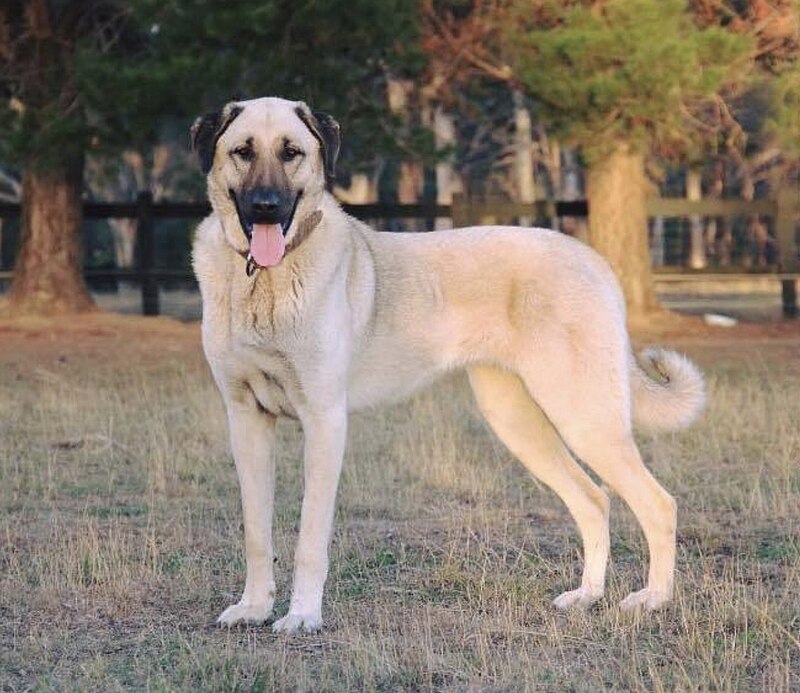
Quick Facts
| Attribute | Details |
|---|---|
| Breed Group | Working/Livestock Guardian |
| Size | Giant (90-145 lbs) |
| Height | 27-33 inches |
| Lifespan | 12-15 years |
| Temperament | Protective, Calm, Loyal |
| Good with Kids | Excellent (with family) |
| Good with Other Dogs | Moderate (can be dominant) |
| Shedding | Moderate to High |
| Exercise Needs | Moderate (1-2 hours daily) |
| Trainability | Good (with experienced owners) |
Recommended for Kangals
The Farmer's Dog - Fresh food for giant guardian breeds | Embark DNA - Health screening for genetic conditions | Spot Insurance - Coverage for giant breed health needs
Kangal Overview
The Kangal is Turkey's national dog, originating from the Sivas Province of central Turkey. Named after the town of Kangal, these magnificent dogs have protected livestock from wolves, bears, and jackals for centuries. They are considered one of the most capable livestock guardian dogs in the world.
Kangals are known for having the strongest bite force of any domestic dog breed, estimated at around 743 PSI. Despite this power, they are remarkably gentle with their families and the livestock they protect. They use their size and bark to deter predators, only fighting as a last resort. Kangals are being used worldwide in conservation programs to protect livestock while reducing lethal predator control.
The Kangal is a breed that commands attention not just for its physical appearance but for the depth of personality and capability it brings to a household. With a lifespan averaging 12-15 years, the decision to welcome a Kangal into your family is one that will shape your daily routine, activity levels, and emotional life for well over a decade. This breed's protective, calm, loyal temperament is the product of generations of selective breeding for specific traits—understanding this heritage provides valuable insight into why your Kangal behaves the way it does and what it needs from you as an owner to truly thrive.
It takes months, not days, to read a Kangal well. The owners who are the happiest with the breed are usually the ones who let the relationship develop rather than trying to decode everything in the first week.
Day-to-day life with a Kangal means building their needs into your routine, not fitting them around the edges. Feeding, habitat care, health monitoring, and interaction all require consistent time and attention. Owners who treat these tasks as non-negotiable parts of their schedule — rather than things to squeeze in when convenient — see markedly better outcomes in both their Kangal's health and their own enjoyment of the experience.
Temperament & Personality
Kangals are known for their exceptional temperament among guardian breeds.
- Calm & Measured: Remarkably calm and stable, assessing situations before reacting.
- Protective & Brave: Will defend their charges against any threat without hesitation.
- Gentle with Family: Exceptionally gentle and patient with their human family, especially children.
- Independent Thinker: Bred to make decisions independently when guarding livestock.
- Not Aggressive by Nature: Prefer to intimidate rather than attack, using aggression only when necessary.
The protective, calm, loyal nature of the Kangal is not a simple personality label—it is a complex behavioral profile shaped by breed history, individual genetics, early socialization experiences, and ongoing environmental factors. What this means in practice is that two Kangal from different lines, raised in different environments, can display meaningfully different behavioral tendencies while still sharing core breed characteristics. Understanding this distinction helps owners set realistic expectations and develop training strategies tailored to their individual dog rather than relying solely on breed generalizations.
Your vet's input converts these pages of Kangal guidance into a plan that reflects your animal's weight, age, and health history.
Common Health Issues
Kangals are among the healthiest giant breeds: Understanding how this applies specifically to Kangal helps you avoid common pitfalls.
orthopedic problems
- Hip Dysplasia: Can occur but less common due to working breed selection. OFA screening recommended.
- Elbow Dysplasia: Occasional occurrence in the breed.
eye conditions, skin allergies, and age-related joint deterioration
- Bloat (GDV): Risk in large, deep-chested breeds. Preventive measures important.
- Entropion: Eyelid condition that may need correction.
- Lipoma: Benign fatty tumors common in older dogs.
Health Screening Recommendation
Before getting a Kangal, ask breeders for hip/elbow scores and health clearances. Consider Embark DNA testing for comprehensive genetic health screening.
Health management for a Kangal works best when owners treat it as an ongoing conversation with their veterinarian rather than an once-a-year formality. Subtle behavioral shifts — eating slightly less, sleeping in a different spot, hesitating before a familiar activity — often precede clinical symptoms by weeks or months. Keeping notes on these small changes and discussing them during checkups turns routine visits into genuinely useful diagnostic opportunities.
For Kangal owners interested in data-driven care, genetic testing offers a practical advantage. Knowing which conditions your animal is predisposed to allows you to focus monitoring efforts where they matter most, rather than casting a wide net. When paired with regular veterinary assessments, this targeted approach often catches issues earlier and with less stress for everyone involved.
Every Kangal ages differently, but there are common patterns worth watching for. Decreased stamina, slower healing, and changes in weight distribution all tend to emerge during the middle years. Owners who recognize these shifts as opportunities to recalibrate — rather than signs that the end is near — position their Kangal for a much more comfortable senior stage.
Cost of Ownership
Giant breeds require substantial financial commitment: When in doubt, choose the guidance that names the Kangal explicitly over the guidance that treats all pets alike.
| Expense Category | Annual Cost Estimate |
|---|---|
| Food (premium quality) | $900-$1,800 |
| Veterinary Care (routine) | $400-$800 |
| Pet Insurance | $550-$1,000 |
| Grooming | $150-$300 |
| Training (first year) | $500-$1,500 |
| Supplies & Toys | $300-$550 |
| Total Annual Cost | $2,800-$5,950 |
Save on Kangal Care
Chewy Autoship - Save up to 35% on food & supplies | Lemonade Pet - Affordable insurance options | K9 Training Institute - Professional training programs
Budget estimates only tell part of the story. Some Kangal owners spend well below these figures; others spend significantly more due to health issues or premium product choices. The smartest financial move is setting up an emergency fund early — even a modest one — so an unexpected vet bill does not become a crisis.
Expect the first year of Kangal ownership to carry the heaviest financial load. That initial period bundles together a wave of one-time costs — initial vaccinations, microchipping, spay or neuter surgery if applicable, bedding, leash and collar, and a first wellness exam — that will not repeat. Once you clear that first-year hurdle, the ongoing baseline drops to food, routine vet visits, preventive medications, and the occasional replacement of worn-out toys or gear.
The temptation to skip a routine checkup when your Kangal appears to be thriving is understandable but misguided. Silent conditions — dental disease, early-stage organ changes, and joint deterioration among them — are far easier and cheaper to address when caught early. The cost of a wellness exam is minor compared to the treatment expenses that accumulate when problems are discovered late.
Exercise & Activity Requirements
Kangals have moderate exercise needs.
- Daily Exercise: 1-2 hours of moderate activity including walks and patrol time
- Territory Patrol: Need space to patrol and watch over
- Not High Energy: Conserve energy for guarding, not hyperactive
- Mental Engagement: Benefit from having purpose and responsibility
- Weather Tolerance: Adaptable to various climates, handle cold well
Training Tips for Kangals
Training should respect their intelligence.
- Early Socialization: Essential for a well-adjusted adult
- Respectful Partnership: Respond to being treated as partners, not subordinates
- Positive Methods: Harsh training damages trust and effectiveness
- Patient Consistency: Require patient, consistent approach
- Experienced Guidance: Work with trainers who understand LGDs
Nutrition & Feeding
Proper nutrition supports their large, athletic frames.
- Giant Breed Formula: Choose food designed for giant breeds
- Controlled Growth: Puppies must grow slowly to protect joints
- Bloat Prevention: Multiple smaller meals, avoid exercise after eating
- Joint Support: Include glucosamine and omega fatty acids
- Moderate Amounts: Don't overfeed - they are efficient eaters
Top Food Choices for Kangals
The Farmer's Dog - Fresh, portion-controlled meals | Ollie - Custom fresh food for giant breeds | Hill's Science Diet - Giant breed formulas
When it comes to Kangal nutrition, simplicity usually wins. A well-formulated food that meets your Kangal's specific needs is better than a rotation of trendy diets. Focus on protein quality, calorie appropriateness for your Kangal's size and activity level, and avoiding ingredients your Kangal does not tolerate well. The rest is marketing.
Choosing the right food for your Kangal involves more substance than marketing. Flashy ingredient lists matter less than whether the nutritional profile matches your Kangal's life stage, size, and activity level. Pay attention to how your Kangal responds — coat condition, energy, digestion, and weight stability are the real indicators of whether a food is working.
Grooming Requirements
Their short to medium coat is relatively easy to maintain: Your veterinarian and experienced Kangal owners can offer perspective tailored to your situation.
- Brushing: Weekly brushing, more during shedding seasons
- Bathing: Every 6-8 weeks or as needed
- Shedding: Seasonal shedding, manageable with regular brushing
- Ear Cleaning: Weekly checks and cleaning
- Nail Trimming: Every 3-4 weeks
- Dental Care: Regular dental hygiene important
Is a Kangal Right for You?
This is the kind of work that rarely looks essential in isolation and becomes obviously essential in aggregate.
Kangals Are Great For:
- Experienced owners who understand livestock guardian dogs
- Rural properties or farms with livestock to protect
- Families seeking a gentle giant with protective instincts
- Those with large, securely fenced properties
- Ranchers dealing with predator issues
Kangals May Not Be Ideal For:
- First-time dog owners
- Urban or suburban environments without adequate space
- Those seeking an obedient, eager-to-please dog
- Homes without secure fencing (6+ feet recommended)
- Areas with breed-specific legislation (check local laws)
The question is not "is a Kangal the right dog?" in the abstract — it is whether a Kangal is right for your specific household, schedule, and budget right now. Circumstances change, and what works at one stage of life may not work at another. If the fit is there today and you can plan for the 12-15 years commitment, go for it. If not, revisit the idea later rather than rushing in unprepared.
Life with a Kangal settles into a rhythm that most owners come to genuinely enjoy. The daily routines of care, exercise, and interaction become part of the fabric of your household rather than a burden.
Related Breeds to Consider
If you're interested in Kangals, you might also consider.
- Akbash - Turkish white livestock guardian
- Anatolian Shepherd - Related Turkish guardian breed
- Great Pyrenees - Gentler livestock guardian
- Central Asian Shepherd - Similar temperament and purpose
Ask Our AI About Kangals
Related Health & Care Guides
People who actually study the Kangal's natural tendencies usually build deeper trust with the animal too.
Get Personalized AI Guidance
Ask Our AI NowDecision Guides for Kangal
Use these only when comparing food, insurance, ownership budget, or beginner fit for this specific pet.