Akbash
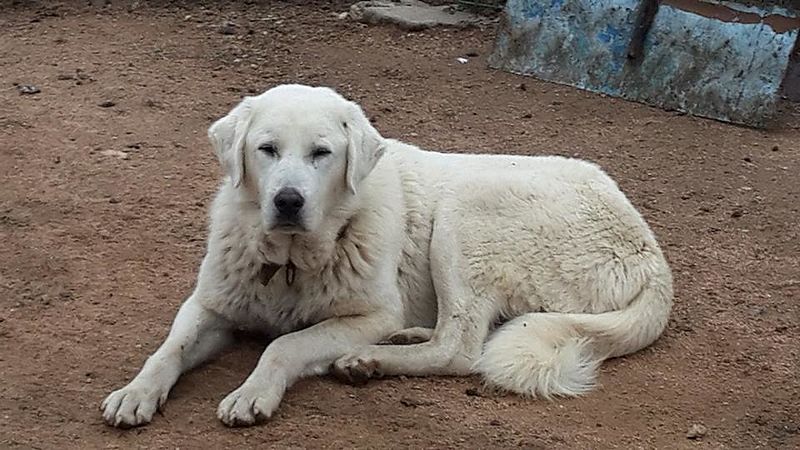
Quick Facts
| Attribute | Details |
|---|---|
| Breed Group | Working/Livestock Guardian |
| Size | Large to Giant (75-140 lbs) |
| Height | 27-34 inches |
| Lifespan | 10-12 years |
| Temperament | Alert, Independent, Loyal |
| Good with Kids | Good (with family) |
| Good with Other Dogs | Moderate (supervision needed) |
| Shedding | Moderate to High |
| Exercise Needs | Moderate (1-1.5 hours daily) |
| Trainability | Moderate (independent thinker) |
Recommended for Akbash Dogs
The Farmer's Dog - Fresh food for large guardian breeds | Embark DNA - Health screening for genetic conditions | Spot Insurance - Coverage for large breed health needs
Akbash Overview
The Akbash is an ancient Turkish livestock guardian breed whose name means "white head" in Turkish. For thousands of years, these striking white dogs have protected flocks in the mountains of western Turkey. Their all-white coat helped shepherds distinguish them from wolves, especially at night.
The Akbash is leaner and more athletic than many other livestock guardian breeds, combining the speed of sighthounds with the size and protective instincts of mastiff-type dogs. This makes them particularly effective at patrolling large areas. They were brought to North America in the 1970s and are now used successfully on ranches throughout the United States and Canada.
The Akbash is a breed that commands attention not just for its physical appearance but for the depth of personality and capability it brings to a household. With a lifespan averaging 10-12 years, the decision to welcome an Akbash into your family is one that will shape your daily routine, activity levels, and emotional life for well over a decade. This breed's alert, independent, loyal temperament is the product of generations of selective breeding for specific traits—understanding this heritage provides valuable insight into why your Akbash behaves the way it does and what it needs from you as an owner to truly thrive.
Caring well for an Akbash requires more than meeting their basic physical needs. It means understanding their behavioral patterns, respecting their natural instincts, and recognizing the specific conditions under which they thrive. Owners who approach Akbash care with this depth of knowledge create an environment where the animal can genuinely flourish.
Sharing your space with an Akbash means making room — literally and figuratively — for their specific needs. Whether that involves adjusting your daily schedule, modifying part of your home, or simply being more mindful of noise and activity levels, the accommodation is real. Owners who recognize this early and plan for it tend to have a much smoother experience than those who expect the Akbash to simply fit into their existing routine unchanged.
Temperament & Personality
Akbash dogs are intelligent, independent guardians.
- Alert & Watchful: Constantly aware of their surroundings, quick to detect potential threats.
- Independent & Self-Reliant: Bred to make decisions without human guidance.
- Loyal & Devoted: Form strong bonds with their family and livestock.
- Calm but Vigilant: Generally calm demeanor that changes when threats appear.
- Maternal Instinct: Strong protective instincts extend to any animals in their care.
The alert, independent, loyal nature of the Akbash is not a simple personality label—it is a complex behavioral profile shaped by breed history, individual genetics, early socialization experiences, and ongoing environmental factors. What this means in practice is that two Akbash from different lines, raised in different environments, can display meaningfully different behavioral tendencies while still sharing core breed characteristics. Understanding this distinction helps owners set realistic expectations and develop training strategies tailored to their individual dog rather than relying solely on breed generalizations.
Every feeding plan for a Akbash should end with a brief veterinary check, especially after weight, age, or health changes.
Common Health Issues
Akbash dogs are generally healthy with fewer issues than many breeds: Your veterinarian and experienced Akbash owners can offer perspective tailored to your situation.
orthopedic problems
- Hip Dysplasia: Can occur in large breeds. OFA screening recommended.
- Osteochondritis Dissecans (OCD): Cartilage issues in growing puppies.
dental disease, skin conditions, and breed-related eye problems
- Bloat (GDV): Risk in large, deep-chested breeds. Preventive measures important.
- Hypothyroidism: Can affect metabolism and overall condition.
- Cardiomyopathy: Heart issues that should be monitored.
Health Screening Recommendation
Before getting an Akbash, ask breeders for hip scores, cardiac clearances, and thyroid testing results. Consider Embark DNA testing for comprehensive genetic health screening.
Keeping your Akbash healthy over the long haul requires attention to details that are easy to overlook. Gradual weight gain, shifting sleep patterns, and minor changes in behavior all tell a story. When you track these details — even informally — and share them with your veterinarian, it becomes much simpler to distinguish normal aging from the early stages of a condition that warrants attention.
If you are curious about your Akbash's inherited health profile, genetic testing can provide valuable context. Results highlight predispositions rather than certainties, which means they are most useful when combined with regular veterinary monitoring. Owners who use genetic data to inform — rather than replace — their vet's guidance tend to make better long-term care decisions.
As your Akbash ages, their care needs will shift in ways that are easier to manage when anticipated. The transition from young adult to middle age often brings the first signs of conditions that benefit from ongoing attention — joint stiffness, dental wear, or gradual changes in metabolism. Adjusting diet, activity, and screening frequency during this window helps maintain quality of life well into the later years.
Cost of Ownership
Understanding the full cost helps prepare for Akbash ownership.
| Expense Category | Annual Cost Estimate |
|---|---|
| Food (premium quality) | $700-$1,400 |
| Veterinary Care (routine) | $350-$700 |
| Pet Insurance | $500-$900 |
| Grooming | $150-$300 |
| Training (first year) | $400-$1,200 |
| Supplies & Toys | $250-$500 |
| Total Annual Cost | $2,350-$5,000 |
No matter how carefully you plan, owning an Akbash will occasionally throw a curveball. A modest emergency fund — separate from your regular care budget — ensures that surprise expenses do not compromise the quality of care your Akbash receives. Most owners find that building this habit early saves them significant stress later.
Budget more aggressively for the first year. Beyond the obvious — food, vet visits, supplies — there are costs that catch people off guard: replacing items your Akbash destroys during teething, emergency visits for swallowed objects, and higher food costs during rapid growth phases. After that initial period, expenses settle into a more manageable rhythm.
Owners who maintain a regular preventive care schedule for their Akbash consistently report lower overall vet costs than those who wait for problems to appear. This makes intuitive sense: a $300 dental cleaning now avoids a $2,000 extraction later. An annual blood panel that catches early kidney changes allows dietary management instead of emergency hospitalization. The math favors prevention every time.
Exercise & Activity Requirements
Akbash dogs have moderate but consistent exercise needs: Understanding how this applies specifically to Akbash helps you avoid common pitfalls.
- Daily Exercise: 1-1.5 hours of activity including walks and patrol time
- Territory Patrol: Need space to patrol and watch over
- Athletic Build: More agile than many LGDs, can cover large areas
- Mental Stimulation: Benefit from having responsibility and purpose
- Weather Tolerance: Handle various climates well
Training Tips for Akbash Dogs
Training requires patience and understanding of LGD psychology.
- Early Socialization: Critical for a well-adjusted adult
- Patient Approach: Their independent nature means slower training progress
- Positive Methods: Respond to reward-based training, not harsh methods
- Realistic Expectations: Will never be blindly obedient
- LGD Experience: Work with trainers who understand guardian breeds
Nutrition & Feeding
Proper nutrition supports their large, athletic bodies: Your veterinarian and experienced Akbash owners can offer perspective tailored to your situation.
- Large Breed Formula: Choose food designed for large breeds
- Controlled Growth: Puppies must grow slowly to protect joints
- Bloat Prevention: Multiple smaller meals, avoid exercise after eating
- Joint Support: Include omega fatty acids for joint health
- Moderate Portions: Don't overfeed despite their size
Top Food Choices for Akbash Dogs
The Farmer's Dog - Fresh, portion-controlled meals | Ollie - Custom fresh food for large breeds | Hill's Science Diet - Large breed formulas
Feeding an Akbash well is less about following trends and more about paying attention to your specific animal. Some Akbashs do great on standard kibble; others need a different approach due to allergies, sensitivities, or individual metabolism. Work with your vet to find what works, and be willing to adjust as your Akbash's needs change with age.
Do not overthink your Akbash's diet to the point of paralysis. Focus on the basics: appropriate protein and fat levels for their life stage, consistent meal timing, and careful portion control. Monitor their condition over time and adjust if you notice changes in weight, coat quality, or energy. That practical, observation-based approach beats any marketing claim.
Grooming Requirements
Their white coat requires regular maintenance.
- Brushing: 2 times weekly, more during shedding seasons
- Bathing: Every 6-8 weeks (white coat may need more frequent cleaning)
- Shedding: Moderate year-round with seasonal increases
- Ear Cleaning: Weekly checks and cleaning
- Nail Trimming: Every 3-4 weeks
- Dental Care: Regular dental hygiene important
Akbash Dogs Are Great For:
- Experienced owners who understand livestock guardian dogs
- Rural properties or farms with livestock to protect
- Those seeking an athletic, agile guardian
- Homes with large, securely fenced properties
- Ranchers dealing with predator issues
Akbash Dogs May Not Be Ideal For:
- First-time dog owners
- Urban or suburban environments
- Those seeking an obedient, eager-to-please dog
- Homes without secure fencing
- Families wanting a highly social, friendly pet
The best way to know if an Akbash is right for you is to spend time around one. Visit an owner, volunteer at a rescue, or attend a breed event. No amount of reading replaces the firsthand experience of what daily life with this dog actually involves.
The bond you develop with an Akbash grows through daily routines — feeding, interaction, quiet time spent in the same room. These small, repeated moments of care build trust and deepen the connection. Owners who treat this relationship as a gradual process rather than an instant bond tend to find the experience far more rewarding.
Related Breeds to Consider
If you're interested in Akbash dogs, you might also consider.
- Kangal - Larger Turkish guardian
- Great Pyrenees - Similar white coat, gentler demeanor
- Maremma Sheepdog - Italian white guardian
- Anatolian Shepherd - Related Turkish breed
Ask Our AI About Akbash Dogs
People often underestimate how much this piece of a Akbash's routine influences later health outcomes.
Related Health & Care Guides
A realistic read on this corner of Akbash care puts you in a better position to make decisions the animal can actually feel. Treat published advice as a framework, then shape it around the particular Akbash sitting in your home.
Get Personalized AI Guidance
Ask Our AI NowDecision Guides for Akbash
Use these only when comparing food, insurance, ownership budget, or beginner fit for this specific pet.