Turkish Van
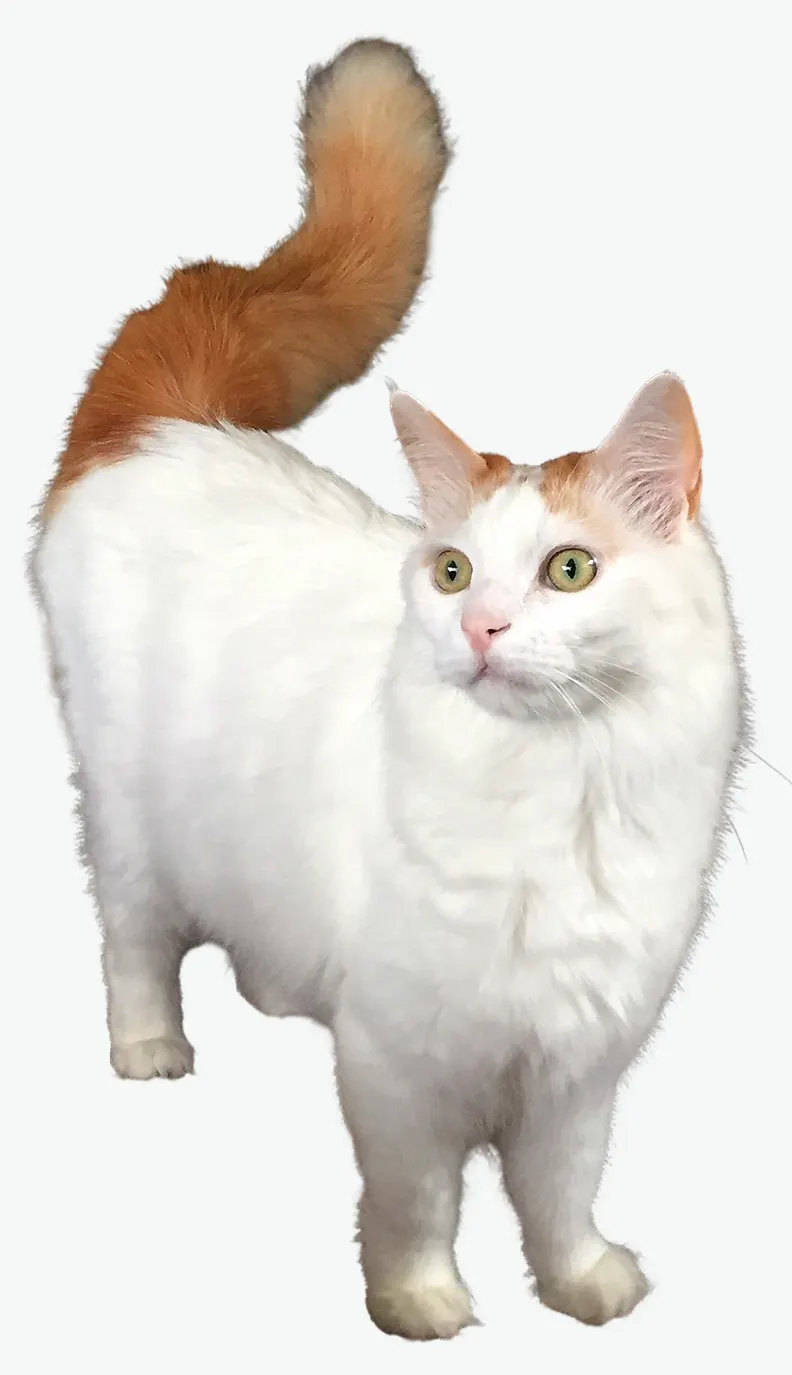
Quick Facts
| Attribute | Details |
|---|---|
| Size | Large (10-20 lbs) |
| Weight | Males: 12-20 lbs, Females: 10-14 lbs |
| Lifespan | 12-17 years |
| Temperament | Active, Intelligent, Water-Loving |
| Good with Kids | Good (older children) |
| Good with Other Pets | Varies (can be dominant) |
| Grooming Needs | Moderate |
| Vocalization | Moderate |
| Activity Level | Very High |
Recommended for Turkish Vans
Basepaws DNA Test - Genetic health screening for cats | Spot Insurance - Coverage for heart conditions | Chewy - Large cat trees and water toys
Turkish Van Overview
The Turkish Van is an ancient, naturally occurring breed from the Lake Van region of Turkey. Known as the "Swimming Cat," this remarkable breed has an unique water-resistant coat and a genuine love of water that sets them apart from virtually all other cats. They have been documented in the region for thousands of years, with some local legends linking them to cats that survived Noah's flood.
Turkish Vans are distinguished by their unique "Van pattern" - a predominantly white coat with color restricted to the head and tail. Their cashmere-like, water-resistant coat, powerful athletic build, and amber, blue, or odd-colored eyes make them one of the most striking cat breeds. They take 3-5 years to reach full maturity.
With a typical lifespan of 12-17 years, bringing a Turkish Van into your home represents a significant commitment—one that, when properly informed, leads to one of the most rewarding companion animal relationships possible. The Turkish Van's active, intelligent, water-loving character is not simply a breed description but reflects deep-seated behavioral tendencies shaped by genetics, early socialization, and the breed's historical development. Understanding these underlying factors helps owners create environments and routines that bring out the best in their Turkish Van.
What many prospective Turkish Van owners discover quickly is that this breed has a distinctive personality that sets it apart from the generic notion of what a cat is like. The active, intelligent, water-loving traits associated with Turkish Van manifest in daily life through specific play preferences, social interaction patterns, vocalization tendencies, and activity rhythms. Some Turkish Van are notably more interactive and demanding of attention than average, while others may display an independent streak that requires a different approach to bonding and enrichment. Understanding where your individual Turkish Van falls on this spectrum—and adjusting your care approach accordingly—is one of the keys to a harmonious human-cat relationship.
Talk the specifics through with your vet so the generalities here become a Turkish Van plan calibrated to your animal's current status.
Temperament & Personality
Turkish Vans have distinctive personalities.
- Water Lovers: Unlike most cats, they actively seek out water and may try to swim or play in bathtubs, sinks, and pools.
- Highly Athletic: Powerful jumpers and climbers who need lots of space and vertical territory.
- Independent: Affectionate on their own terms; not typically lap cats.
- Intelligent: Problem-solvers who can figure out how to open doors and cabinets.
- Energetic: High energy levels that require outlets through play.
- One-Person Cats: Often bond most strongly with one family member.
The active, intelligent, water-loving temperament of the Turkish Van manifests in daily life through patterns of behavior that experienced owners learn to anticipate, appreciate, and manage. With Turkish Van, these communicative behaviors are often more pronounced and distinctive than in many other breeds, which is part of what makes the breed so engaging for owners who take the time to learn their individual cat's behavioral vocabulary.
Common Health Issues
Turkish Vans are generally healthy but have some concerns.
Genetic Conditions
- Hypertrophic Cardiomyopathy (HCM): Heart disease that can occur in this breed.
- Deafness: All-white cats or those with blue eyes may have congenital deafness.
specific genetic predispositions that regular veterinary screening can catch early
- Obesity: Their large size makes weight management important.
- Sunburn: White areas are prone to sun damage.
- Skin Cancer: Risk in white-furred areas with sun exposure.
Health Screening Recommendation
Ask breeders about HCM screening and BAER testing for deafness. Consider Basepaws DNA testing for comprehensive genetic health screening.
Health management for a Turkish Van works best when owners treat it as an ongoing conversation with their veterinarian rather than an once-a-year formality.
For Turkish Van owners interested in data-driven care, genetic testing offers a practical advantage.
Every Turkish Van ages differently, but there are common patterns worth watching for. Owners who recognize these shifts as opportunities to recalibrate — rather than signs that the end is near — position their Turkish Van for a much more comfortable senior stage.
Cost of Ownership
Understanding the full cost helps prepare for Turkish Van ownership.
| Expense Category | Annual Cost Estimate |
|---|---|
| Food (premium quality) | $400-$700 |
| Veterinary Care (routine) | $200-$400 |
| Pet Insurance | $250-$500 |
| Grooming (supplies) | $75-$150 |
| Litter & Supplies | $250-$450 |
| Toys & Enrichment | $150-$300 |
| Total Annual Cost | $1,325-$2,500 |
Initial Costs: Turkish Van kittens from reputable breeders typically cost $1,000-$1,800. Show-quality cats may cost $2,000 or more. This is a rare breed with limited availability.
Save on Turkish Van Care
Chewy Autoship - Save up to 35% on food & supplies | Lemonade Pet - Affordable cat insurance from $12/month | Catit - Water fountains and play circuits
Expect the first year of Turkish Van ownership to carry the heaviest financial load.
The temptation to skip a routine checkup when your Turkish Van appears to be thriving is understandable but misguided.
Care Requirements
Turkish Vans need specific accommodations.
- Water Access: Provide safe water play opportunities - supervised bathtubs or shallow pools.
- Vertical Space: Very tall cat trees and climbing structures are essential.
- Active Play: Multiple vigorous play sessions daily.
- Large Spaces: They need room to run and jump.
- Sun Protection: Limit direct sun exposure for white areas.
- Secure Environment: They can escape through open windows or doors.
- Pool Safety: If you have a pool, ensure they can exit safely.
Grooming Needs
Turkish Vans have manageable grooming requirements.
- Brushing: 2-3 times weekly; more during seasonal shedding.
- Coat Type: Single coat, water-resistant, cashmere-like texture.
- Bathing: They often enjoy baths! Regular bathing keeps coat clean.
- Seasonal Shedding: Heavy shedding in summer; coat is fuller in winter.
- Nail Trimming: Every 2-3 weeks.
- Dental Care: Regular brushing recommended.
Nutrition & Feeding
Proper nutrition supports Turkish Van health.
- High-Quality Protein: Their muscular build requires ample protein.
- Large Breed Needs: Consider foods for large breed cats.
- Portion Control: Monitor closely to prevent obesity despite activity.
- Slow Growth: They mature slowly; don't overfeed growing kittens.
- Fresh Water: Multiple water sources; they love drinking and playing with water.
Top Food Choices for Turkish Vans
Smalls Cat Food - Human-grade fresh cat food | Orijen - High-protein formulas | Chewy - Large breed cat foods
Turkish Vans Are Great For:
- Active households with lots of space
- Those who find their water fascination charming
- People who enjoy independent, intelligent cats
- Homes with secure outdoor access or catios
- Families with older, respectful children
Turkish Vans May Not Be Ideal For:
- Small apartments or limited spaces
- Those wanting a cuddly lap cat
- Homes with unsupervised pools (safety concern)
- Multi-cat homes where they can't be dominant
- Families with very young children
There is no universal "right owner" for a Turkish Van — people from all kinds of backgrounds and living situations make it work. If that describes you, a Turkish Van is likely to be a rewarding companion.
Life with a Turkish Van settles into a rhythm that most owners come to genuinely enjoy.
Related Breeds to Consider
If you're interested in Turkish Vans, you might also consider.
- Turkish Angora - Related Turkish breed, more refined
- Maine Coon - Large, water-fascinated, more social
- Norwegian Forest Cat - Large, water-resistant coat
- Siberian - Large, athletic, also enjoys water
Ask Our AI About Turkish Vans
Have specific questions about Turkish Van health, behavior, or care? Our AI assistant can provide personalized guidance.
Related Health & Care Guides
Not every aspect of Turkish Van ownership is the visible stuff — training or diet — but some of the less-discussed ones compound most meaningfully over years.
Get Personalized AI Guidance
Ask Our AI NowDecision Guides for Turkish Van
Use these only when comparing food, insurance, ownership budget, or beginner fit for this specific pet.