Turkish Angora
Quick Facts
| Attribute | Details |
|---|---|
| Size | Small to Medium (5-10 lbs) |
| Weight | Males: 7-10 lbs, Females: 5-8 lbs |
| Lifespan | 12-18 years |
| Temperament | Intelligent, Playful, Social |
| Good with Kids | Good |
| Good with Other Pets | Good (prefers to be alpha) |
| Grooming Needs | Moderate |
| Vocalization | Moderate |
| Activity Level | High |
Recommended for Turkish Angoras
Basepaws DNA Test - Genetic health screening for cats | Spot Insurance - Coverage for heart conditions | Chewy - Interactive toys and cat furniture
Turkish Angora Overview
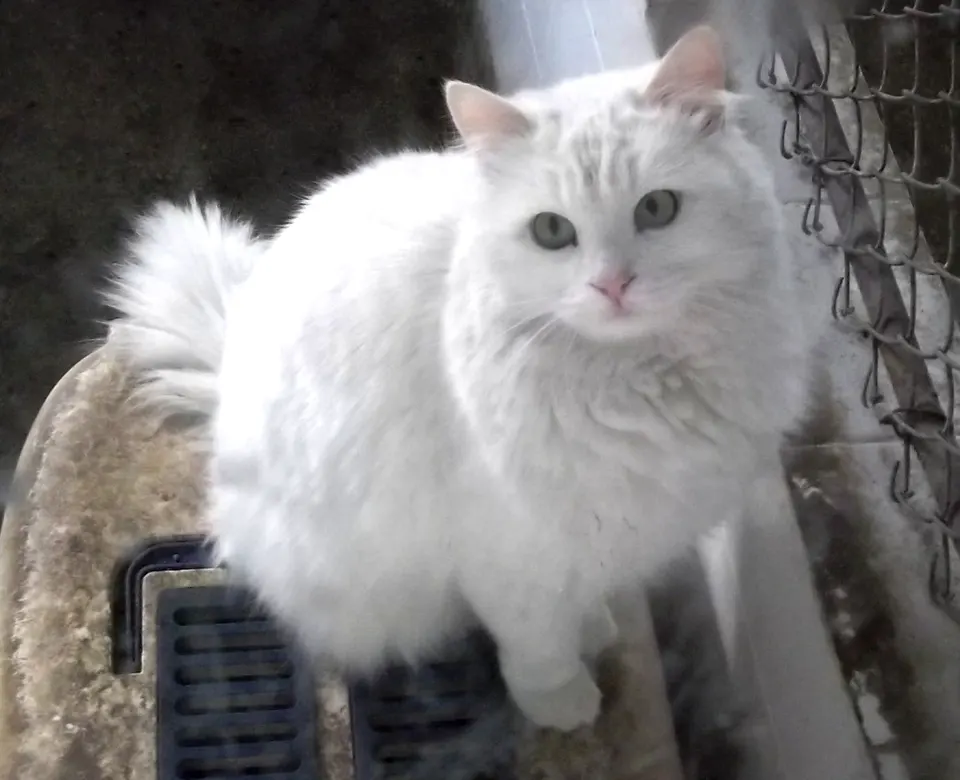
The Turkish Angora is one of the oldest natural cat breeds, originating in the Ankara region of Turkey where they have been documented for centuries. Treasured as national treasures in Turkey, these elegant cats were once only bred in white at the Ankara Zoo to preserve the breed. Today, they come in many colors, though white remains the most iconic.
Known for their graceful, ballet-dancer-like movements and silky, flowing coats, Turkish Angoras are often called the "ballerinas" of the cat world. Their elegant appearance belies an athletic, active nature and strong personalities. With their almond-shaped eyes (which can be blue, amber, green, or odd-eyed), long plumed tails, and refined features, they are truly stunning cats.
With a typical lifespan of 12-18 years, bringing a Turkish Angora into your home represents a significant commitment—one that, when properly informed, leads to one of the most rewarding companion animal relationships possible. The Turkish Angora's intelligent, playful, social character is not simply a breed description but reflects deep-seated behavioral tendencies shaped by genetics, early socialization, and the breed's historical development. Understanding these underlying factors helps owners create environments and routines that bring out the best in their Turkish Angora.
What many prospective Turkish Angora owners discover quickly is that this breed has a distinctive personality that sets it apart from the generic notion of what a cat is like. The intelligent, playful, social traits associated with Turkish Angora manifest in daily life through specific play preferences, social interaction patterns, vocalization tendencies, and activity rhythms. Some Turkish Angora are notably more interactive and demanding of attention than average, while others may display an independent streak that requires a different approach to bonding and enrichment. Understanding where your individual Turkish Angora falls on this spectrum—and adjusting your care approach accordingly—is one of the keys to a harmonious human-cat relationship.
Published guidance can describe a Turkish Angora in general, only your veterinarian can translate that to the specific animal in your home.
Temperament & Personality
Turkish Angoras are known for their spirited personalities.
- Highly Intelligent: Quick learners who enjoy puzzle toys and learning tricks.
- Playful and Athletic: Love climbing, jumping, and interactive play well into adulthood.
- Social but Selective: Bond strongly with family but may prefer to be the "top cat."
- Determined: Once they decide they want something, they're persistent.
- Affectionate: Enjoy being near their people and "helping" with activities.
- Talkative: Will vocalize to communicate their needs and opinions.
The intelligent, playful, social temperament of the Turkish Angora manifests in daily life through patterns of behavior that experienced owners learn to anticipate, appreciate, and manage. With Turkish Angora, these communicative behaviors are often more pronounced and distinctive than in many other breeds, which is part of what makes the breed so engaging for owners who take the time to learn their individual cat's behavioral vocabulary.
Common Health Issues
Turkish Angoras are generally healthy but have some concerns.
Genetic Conditions
- Deafness: White cats with blue eyes have a higher incidence of congenital deafness.
- Hypertrophic Cardiomyopathy (HCM): Heart disease that occurs in this breed.
- Ataxia: A hereditary neurological condition affecting some kittens.
additional hereditary conditions including allergies and age-related changes
- Sunburn: White cats are prone to sunburn on ears and nose.
- Skin Cancer: Related to sun exposure in white cats.
Health Screening Recommendation
Ask breeders about HCM screening and BAER testing for deafness in white cats. Consider Basepaws DNA testing for comprehensive genetic health screening.
For a Turkish Angora, the most effective health strategy is a consistent one. Owners who approach their Turkish Angora's health with this level of everyday awareness tend to catch problems earlier and spend less on emergency interventions down the road.
Aging in a Turkish Angora does not happen overnight, and neither should the adjustments to their care.
Cost of Ownership
Understanding the full cost helps prepare for Turkish Angora ownership: Anyone willing to learn the Turkish Angora's natural tendencies usually build deeper trust with the animal too.
| Expense Category | Annual Cost Estimate |
|---|---|
| Food (premium quality) | $300-$500 |
| Veterinary Care (routine) | $200-$400 |
| Pet Insurance | $200-$450 |
| Grooming (supplies) | $75-$150 |
| Litter & Supplies | $200-$400 |
| Toys & Enrichment | $100-$200 |
| Total Annual Cost | $1,075-$2,100 |
Initial Costs: Turkish Angora kittens from reputable breeders typically cost $800-$2,000. Show-quality cats may cost more.
Save on Turkish Angora Care
Chewy Autoship - Save up to 35% on food & supplies | Lemonade Pet - Affordable cat insurance from $12/month | Catit - Interactive play circuits
Care Requirements
Turkish Angoras need mental and physical stimulation.
- Active Play: Multiple play sessions daily to burn their abundant energy.
- Vertical Space: Tall cat trees and shelves for climbing and perching.
- Mental Challenges: Puzzle feeders, training, and interactive toys.
- Sun Protection: White cats need protection from direct sunlight.
- Indoor Living: Best kept indoors with supervised outdoor access.
- Social Time: They need daily interaction and companionship.
Grooming Needs
Turkish Angoras have surprisingly manageable grooming: Every time you adjust for something the Turkish Angora actually does, rather than what breed profiles predict, results improve.
- Brushing: 2-3 times weekly to prevent tangles; more during shedding.
- Coat Type: Single coat (no undercoat) that doesn't mat easily.
- Bathing: Monthly baths help keep the white coat pristine.
- Nail Trimming: Every 2-3 weeks.
- Dental Care: Regular brushing recommended.
- Ear Cleaning: Weekly checks; deaf cats may need extra monitoring.
Nutrition & Feeding
Proper nutrition supports Turkish Angora health: For day-to-day decisions, Turkish Angora-specific advice is more useful than generic pet-care content by a wide margin.
- High-Quality Protein: Animal protein should be the primary ingredient.
- Active Cat Needs: May require more calories due to high activity level.
- Omega Fatty Acids: Support coat health and shine.
- Portion Control: Despite activity, monitor to prevent obesity.
- Fresh Water: Multiple sources; many enjoy water fountains or running water.
Top Food Choices for Turkish Angoras
Smalls Cat Food - Human-grade fresh cat food | Wellness - Formulas for healthy coat | Chewy - Premium cat food selection
Selecting food for your Turkish Angora does not need to be complicated. Look past the packaging claims and focus on whether the formula supports your Turkish Angora's actual needs.
Is a Turkish Angora Right for You?
The Turkish Angora care item most frequently postponed is the same one whose effects compound most steadily — it deserves a place on the current list, not the later list.
Turkish Angoras Are Great For:
- Active individuals or families who can provide engagement
- Those who appreciate an intelligent, interactive cat
- People who enjoy training and teaching tricks
- Homes where someone is often present
- Those wanting a beautiful, elegant companion
Turkish Angoras May Not Be Ideal For:
- Quiet households wanting a calm, sedate cat
- Multi-cat homes where the Angora can't be "top cat"
- People away from home frequently
- Those who want a low-maintenance, independent cat
A Turkish Angora is not for everyone, and that is perfectly fine. Spend time around actual Turkish Angora cats before committing. That firsthand experience is worth more than a hundred online guides.
People who live with a Turkish Angora tend to develop a deep appreciation for the breed's personality — the intelligent, playful, social nature becomes part of the household's rhythm.
Related Breeds to Consider
If you're interested in Turkish Angoras, you might also consider.
- Turkish Van - Related Turkish breed, loves water
- Siberian - Similar size, different temperament
- Norwegian Forest Cat - Long-haired with different personality
- Balinese - Similar elegance, Siamese temperament
Ask Our AI About Turkish Angoras
Have specific questions about Turkish Angora health, behavior, or care? Our AI assistant can provide personalized guidance.
Hypertrophic Cardiomyopathy Screening for Turkish Angora
HCM prevalence in Turkish Angoras is moderate, with the breed also known for hereditary ataxia and deafness (in white cats) that require separate monitoring. No validated HCM-specific genetic test exists for the breed. Turkish Angoras have a well-documented hereditary ataxia condition caused by a separate genetic mutation.
Screening Protocol: Echocardiographic screening from 1-2 years of age, repeated annually or biennially. White Turkish Angoras should also receive BAER (hearing) testing.
Turkish Angoras are an ancient natural breed with relatively good genetic diversity compared to many modern breeds. However, popular sire effects in breeding programs can concentrate cardiac risk.
Key Risk Factors: Deafness in white-coated individuals does not directly affect cardiac risk but can complicate clinical assessment and home monitoring of respiratory signs.
Related Health & Care Guides
The practical payoff of Turkish Angora-specific advice over generic guidance shows up in almost every care decision.
Get Personalized AI Guidance
Ask Our AI NowDecision Guides for Turkish Angora
Use these only when comparing food, insurance, ownership budget, or beginner fit for this specific pet.