Oriental Shorthair
Quick Facts
| Attribute | Details |
|---|---|
| Size | Medium (6-12 lbs) |
| Lifespan | 12-15 years |
| Temperament | Social, Vocal, Intelligent |
| Shedding | Low |
| Activity Level | Very High |
| Vocalization | Very High |
| Good with Kids | Excellent |
| Good with Other Pets | Excellent |
| Grooming Needs | Low |
| Intelligence | Very High |
Recommended for Oriental Shorthairs
Basepaws DNA Test - Screen for genetic conditions | Spot Insurance - Coverage for dental & heart issues | Chewy - Interactive toys & climbing structures
Oriental Shorthair Overview
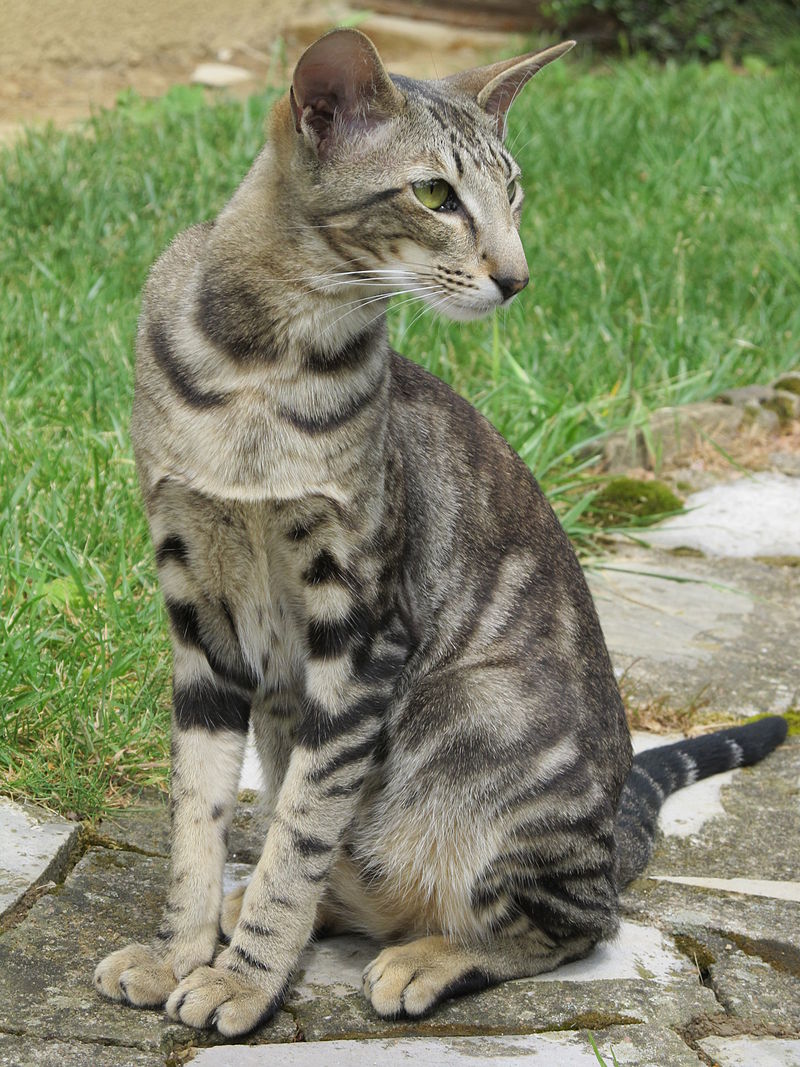
The Oriental Shorthair is essentially a Siamese cat in a rainbow of colors and patterns. Developed by crossing Siamese with other breeds to introduce new colors while maintaining the sleek, elegant body type, Orientals come in over 300 color and pattern combinations - more than any other breed. They have the same wedge-shaped head, large ears, and almond-shaped eyes as their Siamese cousins.
With their long, tubular bodies, big ears, and distinctive personalities, Orientals are often compared to elegant aliens or supermodels of the cat world. They share the Siamese's vocal nature and intense desire for human companionship.
The Oriental Shorthair is a breed that exemplifies the remarkable diversity found within the domestic cat world. With a typical lifespan of 12-15 years, bringing an Oriental Shorthair into your home represents a significant commitment—one that, when properly informed, leads to one of the most rewarding companion animal relationships possible. The Oriental Shorthair's social, vocal, intelligent character is not simply a breed description but reflects deep-seated behavioral tendencies shaped by genetics, early socialization, and the breed's historical development. Understanding these underlying factors helps owners create environments and routines that bring out the best in their Oriental Shorthair.
What many prospective Oriental Shorthair owners discover quickly is that this breed has a distinctive personality that sets it apart from the generic notion of what a cat is like. The social, vocal, intelligent traits associated with Oriental Shorthair manifest in daily life through specific play preferences, social interaction patterns, vocalization tendencies, and activity rhythms. Some Oriental Shorthair are notably more interactive and demanding of attention than average, while others may display an independent streak that requires a different approach to bonding and enrichment. Understanding where your individual Oriental Shorthair falls on this spectrum—and adjusting your care approach accordingly—is one of the keys to a harmonious human-cat relationship.
Published guidance can describe a Oriental Shorthair in general, only your veterinarian can translate that to the specific animal in your home.
Personality & Temperament
Oriental Shorthairs share the Siamese personality in a colorful package: Your veterinarian and experienced Oriental Shorthair owners can offer perspective tailored to your situation.
- Extremely Vocal: They will "talk" constantly, commenting on everything and expecting responses.
- Highly Social: They crave human attention and don't tolerate being left alone.
- Intelligent: Very clever cats who can learn tricks and solve puzzles.
- Energetic: They are athletic and love to climb, jump, and play.
- Affectionate: They form intense bonds with their people and are true lap cats.
- Attention-Seeking: They want to be involved in everything you do.
- Playful: They maintain kitten-like energy and playfulness into adulthood.
The social, vocal, intelligent temperament of the Oriental Shorthair manifests in daily life through patterns of behavior that experienced owners learn to anticipate, appreciate, and manage. Unlike dogs, cats express their personality through more nuanced channels—the slow blink that signals trust, the tail position that communicates mood, the specific vocalizations reserved for different contexts and people. With Oriental Shorthair, these communicative behaviors are often more pronounced and distinctive than in many other breeds, which is part of what makes the breed so engaging for owners who take the time to learn their individual cat's behavioral vocabulary.
Common Health Issues
Oriental Shorthairs share health concerns with their Siamese relatives: Your veterinarian and experienced Oriental Shorthair owners can offer perspective tailored to your situation.
Cardiac Conditions
- Dilated Cardiomyopathy: Heart muscle disease that can affect this breed.
Genetic Conditions
- Amyloidosis: Liver disease from protein deposits, more common in Oriental breeds.
- Progressive Retinal Atrophy (PRA): Genetic eye condition causing vision loss.
- Crossed Eyes (Strabismus): Common but usually doesn't affect vision.
Other Concerns
- Dental Disease: Prone to gingivitis and periodontal disease.
- Asthma: Can be prone to feline asthma.
- Lymphoma: Higher rates of certain cancers have been reported.
- Megaesophagus: Rare condition affecting swallowing.
Health Screening Recommendation
Before getting an Oriental Shorthair, ask breeders about heart screening, PRA testing, and amyloidosis history. Consider Basepaws DNA testing for genetic health screening.
Taking care of an Oriental Shorthair's long-term health means knowing what to watch for and when to act. Rather than waiting for obvious symptoms, experienced owners learn to read the quieter signals: a skipped meal here, a hesitation on the stairs there. Bringing those details to your vet during regular visits creates a much richer clinical picture than a single exam can provide on its own, and it is often the difference between catching an issue early and dealing with it late.
Genetic testing gives Oriental Shorthair owners a head start on conditions that might otherwise catch them off guard. By understanding which health risks are written into your Oriental Shorthair's DNA, you can work with your vet to schedule targeted checks and make informed choices about diet, exercise, and supplementation. The information is not a diagnosis — it is a roadmap for smarter, more personalized care.
The shift from prime adulthood to the senior phase is gradual for most Oriental Shorthairs, and the owners who navigate it best are the ones who adapt their care approach incrementally. Small changes — a diet with better joint support, slightly shorter but more frequent exercise sessions, and annual bloodwork instead of biennial — add up to a meaningfully better quality of life in the later years.
Cost of Ownership
Understanding the full cost helps prepare for Oriental Shorthair ownership: Understanding how this applies specifically to Oriental Shorthair helps you avoid common pitfalls.
| Expense Category | Annual Cost Estimate |
|---|---|
| Food (premium quality) | $350-$600 |
| Veterinary Care (routine) | $200-$400 |
| Pet Insurance | $250-$500 |
| Dental Care | $100-$400 |
| Litter & Supplies | $250-$400 |
| Toys & Enrichment | $150-$300 |
| Total Annual Cost | $1,300-$2,600 |
Initial Costs: Oriental Shorthair kittens from reputable breeders typically cost $600-$1,500. Rare colors or show-quality may cost more.
Save on Oriental Shorthair Care
Chewy Autoship - Save on food & interactive toys | Lemonade Pet - Affordable dental coverage | Feliway - Help manage separation anxiety
Preventive care is not glamorous, but it is the single best investment you can make in your Oriental Shorthair's health. Routine wellness exams catch problems early, when treatment is simpler and cheaper. Keeping up with vaccinations, dental cleanings, and parasite prevention costs a fraction of what treating the resulting diseases would. Most veterinary professionals agree that consistent preventive care extends both the length and quality of an Oriental Shorthair's life.
Activity Level & Exercise
Oriental Shorthairs are extremely active cats.
- Interactive Play: 30+ minutes of active play daily
- Climbing: They need tall cat trees and vertical space
- Fetch: Many love playing fetch
- Puzzle Toys: Mental stimulation is essential
- Training: They excel at learning tricks
- Companion: Consider a second cat for companionship
Nutrition & Feeding
Proper nutrition supports Oriental Shorthair health: Investing in Oriental Shorthair knowledge early is one of the cheapest insurance policies available to an owner.
- High-Quality Protein: Lean protein supports their athletic build
- Dental Health: Consider dental-specific foods
- Active Cat Formula: Foods that support their high energy needs
- Sensitive Stomach: Some may need easily digestible formulas
- Hydration: Water fountains encourage drinking
Top Food Choices for Oriental Shorthairs
Smalls Cat Food - High-protein fresh meals | Nom Nom - Fresh, easily digestible meals | Chewy - Dental health formulas
Grooming Requirements
Oriental Shorthairs have minimal grooming needs: Health and behavior metrics for a Oriental Shorthair tend to trend upward whenever the plan becomes more specific.
- Brushing: Once weekly to remove loose fur
- Coat Type: Short, fine coat that's nearly self-maintaining
- Bathing: Rarely needed
- Nail Trimming: Every 2-3 weeks
- Dental Care: Daily brushing recommended due to dental disease predisposition
- Ear Cleaning: Weekly checks of their large ears
Oriental Shorthairs Are Great For:
- Those who want an interactive, vocal companion
- People who are home frequently
- Families who enjoy active, playful cats
- Multi-cat households
- Those who enjoy "conversations" with their cats
Oriental Shorthairs May Not Be Ideal For:
- Those seeking a quiet, independent cat
- People away from home for long hours
- Apartment dwellers with noise-sensitive neighbors
- Those wanting low-maintenance pets
- People who prefer calm, sedate cats
Owning an Oriental Shorthair is a commitment measured in years, not months. The enthusiasm of the first few weeks fades, and what remains is a daily routine of feeding, exercise, grooming, and vet visits. If that sounds like a satisfying rhythm rather than a burden, you are probably in a good position to move forward. If it sounds exhausting, it is worth reconsidering.
People who live with an Oriental Shorthair tend to develop a deep appreciation for the breed's personality — the social, vocal, intelligent nature becomes part of the household's rhythm. That bond does not happen overnight, but it builds steadily when care is consistent and expectations are grounded.
Related Cat Breeds to Consider
If you're interested in Oriental Shorthairs, you might also consider.
- Siamese - The original colorpoint ancestor
- Burmese - Similarly social, less vocal
- Devon Rex - Playful and engaging
- Abyssinian - Athletic and intelligent
Ask Our AI About Oriental Shorthairs
Have specific questions about Oriental Shorthair health, behavior, or care? Our AI assistant can provide personalized guidance.
Amyloidosis Risk and Monitoring
Renal amyloidosis — the abnormal deposition of amyloid protein in kidney tissue — is a documented genetic predisposition in Oriental Shorthair cats. Unlike PKD, amyloidosis does not yet have a commercially available genetic test, making clinical monitoring essential. Serial monitoring of urine protein-to-creatinine ratio (UPC) can detect proteinuria before azotemia develops. The condition typically presents in young to middle-aged cats (1-5 years) with progressive renal failure. Oriental Shorthair owners should discuss baseline kidney screening with their veterinarian, including annual bloodwork panels that track SDMA (a more sensitive early marker than creatinine alone) alongside standard renal parameters.
Related Health & Care Guides
Investing in Oriental Shorthair knowledge early is one of the cheapest insurance policies available to an owner.
Get Personalized AI Guidance
Ask Our AI NowDecision Guides for Oriental Shorthair
Use these only when comparing food, insurance, ownership budget, or beginner fit for this specific pet.