Minuet (Napoleon)
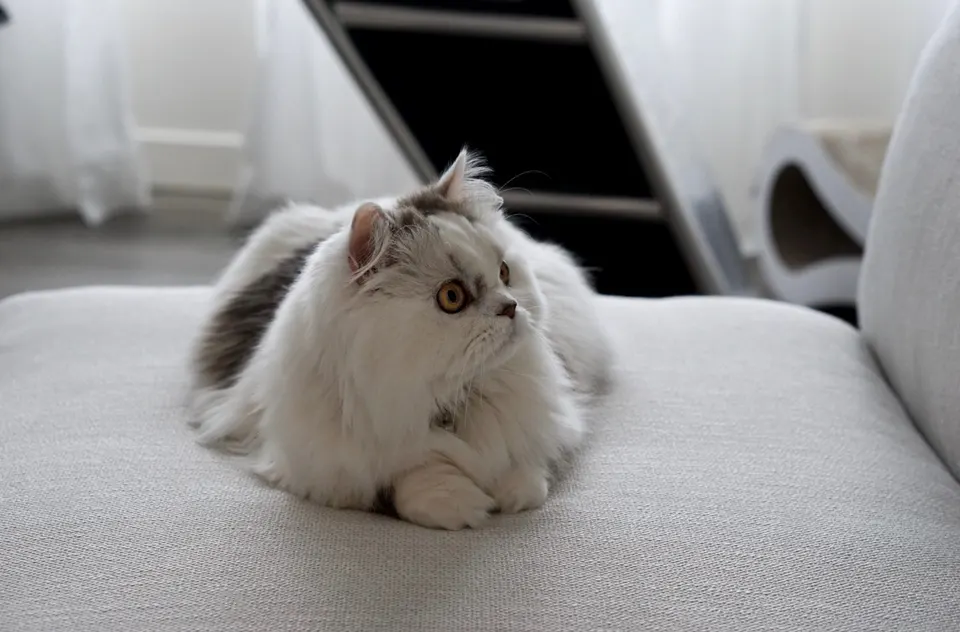
Quick Facts
| Attribute | Details |
|---|---|
| Size | Small to Medium (5-9 lbs) |
| Height | 7-8 inches |
| Lifespan | 12-16 years |
| Temperament | Gentle, Affectionate, Playful |
| Shedding | Moderate to Heavy |
| Activity Level | Moderate |
| Vocalization | Low to Moderate |
| Good with Kids | Excellent |
| Good with Other Pets | Excellent |
| Grooming Needs | Moderate to High |
| Intelligence | High |
| Origin | United States |
| Beginner-Friendly | 4/5 |
Recommended Products
Chewy - Cat food & supplies | Basepaws - Cat DNA testing | Spot Insurance - Cat health coverage
Minuet (Napoleon) Overview
The Minuet, formerly known as the Napoleon, is an enchanting dwarf cat breed created by crossing Persian/Exotic Shorthair cats with Munchkin cats. The breed was developed by Joe Smith in 1996, who was inspired by the short-legged Munchkin but wanted to create a more refined version with the luxurious coat and sweet face of Persian breeds. The result is a small, sturdy cat with characteristically short legs, a round face with large eyes, and either a long, flowing coat or a plush short coat. Minuets come in all colors and patterns. Despite their diminutive stature, these cats are surprisingly athletic and agile, able to jump and play with enthusiasm. They inherit the best personality traits of both parent breeds - the affectionate sweetness of the Persian combined with the playful energy of the Munchkin.
With a typical lifespan of 12-16 years, bringing a Minuet (Napoleon) into your home represents a significant commitment—one that, when properly informed, leads to one of the most rewarding companion animal relationships possible. The Minuet (Napoleon)'s gentle, affectionate, playful character is not simply a breed description but reflects deep-seated behavioral tendencies shaped by genetics, early socialization, and the breed's historical development. Understanding these underlying factors helps owners create environments and routines that bring out the best in their Minuet (Napoleon).
What many prospective Minuet (Napoleon) owners discover quickly is that this breed has a distinctive personality that sets it apart from the generic notion of what a cat is like. The gentle, affectionate, playful traits associated with Minuet (Napoleon) manifest in daily life through specific play preferences, social interaction patterns, vocalization tendencies, and activity rhythms. Some Minuet (Napoleon) are notably more interactive and demanding of attention than average, while others may display an independent streak that requires a different approach to bonding and enrichment. Understanding where your individual Minuet (Napoleon) falls on this spectrum—and adjusting your care approach accordingly—is one of the keys to a harmonious human-cat relationship.
The indoor environment you create for your Minuet (Napoleon) has a profound impact on their physical health and psychological wellbeing. Cats are environmental specialists, and the Minuet (Napoleon) in particular benefits from a thoughtfully designed living space that includes vertical territory (cat trees, shelves, and elevated perches), horizontal hiding spots, scratching surfaces in various orientations, and interactive feeding opportunities that mimic natural foraging behavior.
Personality & Temperament
The Minuet (Napoleon) is characterized by its gentle, affectionate, playful nature. They have balanced energy levels, enjoying both play and relaxation.
When it comes to family life, Minuet (Napoleon) are outstanding with children, making them ideal family cats. They typically get along wonderfully with other pets.
The gentle, affectionate, playful temperament of the Minuet (Napoleon) manifests in daily life through patterns of behavior that experienced owners learn to anticipate, appreciate, and manage. With Minuet (Napoleon), these communicative behaviors are often more pronounced and distinctive than in many other breeds, which is part of what makes the breed so engaging for owners who take the time to learn their individual cat's behavioral vocabulary.
The play drive in Minuet (Napoleon) is not merely recreational—it serves essential functions for physical health, mental stimulation, and behavioral satisfaction. Most Minuet (Napoleon) benefit from at least two dedicated play sessions daily of 15-20 minutes each, ideally timed before meals to replicate the natural hunt-eat-groom-sleep cycle.
Understanding how Minuet (Napoleon) respond to household changes, new people, and environmental disruptions is essential for maintaining their wellbeing. Cats are territorial animals, and Minuet (Napoleon) in particular can be sensitive to disruptions in their environment and routine. Owners who proactively manage their Minuet (Napoleon)'s environmental stability typically report fewer stress-related health issues and behavioral problems over the cat's lifetime.
Common Health Issues
While Minuet (Napoleon) can be healthy cats, they may be prone to certain conditions.
- Polycystic Kidney Disease (PKD): A condition that breeders should screen for and owners should monitor.
- Lordosis (spinal curvature): A condition that breeders should screen for and owners should monitor.
- Pectus Excavatum: A condition that breeders should screen for and owners should monitor.
- Dental Crowding: A condition that breeders should screen for and owners should monitor.
- Respiratory Issues: A condition that breeders should screen for and owners should monitor.
Health Screening Recommendation
Ask breeders about health testing for breed-specific conditions. Consider Basepaws DNA testing for comprehensive genetic screening.
Preventive care for a Minuet (Napoleon) is not just about annual exams — it is a mindset.
DNA-based health screening has become increasingly accessible for Minuet (Napoleon) owners who want a clearer picture of what their individual animal may face down the road. Test results do not predict the future with certainty, but they do help prioritize which screenings matter most.
Aging in a Minuet (Napoleon) does not happen overnight, and neither should the adjustments to their care.
Diet & Nutrition
Quality cat food formulated for small breeds. Feed measured portions to prevent obesity, which is particularly harmful to their short legs. Wet food helps with hydration.
Good nutrition is the foundation of Minuet (Napoleon) health, but that does not mean you need the most expensive food on the shelf. Your Minuet (Napoleon)'s response — steady weight, good energy, healthy coat, firm stools — is the best indicator that you have found the right food.
Learning to read a pet food label takes five minutes and will serve you for the life of your Minuet (Napoleon). Look at the guaranteed analysis for protein and fat percentages that match your Minuet (Napoleon)'s needs.
Housing & Environment
Well-suited to indoor living and apartments. Lower cat trees and ramps help accommodate short legs. They adapt well to various living situations.
Grooming Requirements
Long-haired Minuets need daily brushing to prevent mats. Short-haired varieties need weekly brushing. Regular dental care is important due to potential crowding issues.
Activity & Exercise
20-30 minutes of play daily. They enjoy chasing toys and interactive play. Their short legs dont hinder their enthusiasm for play.
Cost of Ownership
| Expense | Annual Estimate |
|---|---|
| Food (premium) | $300-$600 |
| Veterinary Care | $200-$400 |
| Insurance | $250-$500 |
| Toys & Enrichment | $100-$250 |
| Litter & Supplies | $200-$400 |
| Total Annual | $1300-$2500 |
One of the more practical financial habits for Minuet (Napoleon) ownership is maintaining a small emergency reserve.
Expect the first year of Minuet (Napoleon) ownership to carry the heaviest financial load.
Regular health assessments for your Minuet (Napoleon) are an investment, not an expense.
Insurance Considerations
PKD screening coverage important. Budget $20-40/month.
Socialization & Enrichment
Early socialization is vital for Minuet (Napoleon) kittens. Between 2-7 weeks of age, kittens are most receptive to new experiences.
Environmental enrichment keeps your Minuet (Napoleon) mentally stimulated and physically active. Consider clicker training - many Minuet (Napoleon) respond well to positive reinforcement training and can learn tricks and commands.
Where to Find a Minuet (Napoleon)
When searching for a Minuet (Napoleon), seek out reputable breeders who health-test their breeding cats, raise kittens in a home environment, provide health guarantees, and are active in the cat fancy community.
Breed-specific rescue organizations are another excellent option. Many wonderful Minuet (Napoleon) and Minuet (Napoleon) mixes are available for adoption.
Daily Life with a Minuet (Napoleon)
Living with a Minuet (Napoleon) is an uniquely rewarding experience. Morning and evening feeding times create structure, while scheduled play sessions provide the physical and mental stimulation that Minuet (Napoleon) need.
Minuet (Napoleon) strike a comfortable balance between active play and relaxation, making them adaptable to most household routines. Regular veterinary check-ups, dental care, and weight monitoring are essential parts of responsible Minuet (Napoleon) ownership that contribute to a long, healthy life together.
Quick Answers About Minuet (Napoleon)
Few Minuet care topics compound as well as this one — a small initial investment in understanding pays daily. Small tweaks based on how your Minuet actually reacts usually beat rigid adherence to a template.
Are Minuet (Napoleon) good with children?
Yes, Minuet (Napoleon) are excellent with children. Their gentle, affectionate, playful nature makes them patient and gentle companions for families with kids. They enjoy interactive play and are typically tolerant of the bustle of family life. Always supervise young children with any cat and teach respectful handling.
How much grooming does a Minuet (Napoleon) need?
What health problems are common in Minuet (Napoleon)?
The most common health concerns include Polycystic Kidney Disease (PKD), Lordosis (spinal curvature), Pectus Excavatum. Pet insurance can help manage unexpected veterinary costs.
How long do Minuet (Napoleon) live?
Minuet (Napoleon) typically live 12-16 years. Indoor-only cats generally live significantly longer than those with outdoor access.
Minuet (Napoleon) May Be Great For:
- Keepers with appropriate experience and dedication
- Those who can commit to long-term care requirements
- Enthusiasts interested in this breed's unique characteristics
Minuet (Napoleon) May Not Be Ideal For:
- Those seeking a very low-maintenance pet
- Those with limited space or budget for proper setup
The Minuet combines the Persian's long, plush coat with the Munchkin's short legs — which means grooming demands are real, and the breed-specific health conversations around both brachycephaly and chondrodystrophy deserve honest attention before you bring one home. These are not dealbreakers for informed owners, but they do mean veterinary relationships and preventive care are part of the lifestyle rather than an afterthought. People who commit to the maintenance and do the research tend to find a cat that is affectionate, visually striking, and surprisingly robust given the complexity of its ancestry.
The bond you develop with a Minuet (Napoleon) grows through daily routines — feeding, interaction, quiet time spent together. These small, repeated moments of care build trust and deepen the connection over time. Owners who treat this as a gradual process find the experience far more rewarding.
Related Breeds to Consider
Get Personalized Minuet (Napoleon) Guidance
Have specific questions about your Minuet (Napoleon)?
Ask Our AI NowDecision Guides for Minuet (Napoleon)
Use these only when comparing food, insurance, ownership budget, or beginner fit for this specific pet.