Lykoi Cat
Quick Facts
| Attribute | Details |
|---|---|
| Size | Small to Medium (6-12 lbs) |
| Lifespan | 12-15 years |
| Temperament | Intelligent, Loyal, Playful |
| Shedding | Moderate (molts seasonally) |
| Activity Level | High |
| Vocalization | Low to Moderate |
| Good with Kids | Good |
| Good with Other Pets | Good |
| Grooming Needs | Moderate (special care) |
| Intelligence | Very High |
Recommended for Lykoi
Basepaws DNA Test - Genetic health screening for cats | Spot Insurance - Coverage for health conditions | Chewy - Quality cat supplies
Lykoi Cat Overview
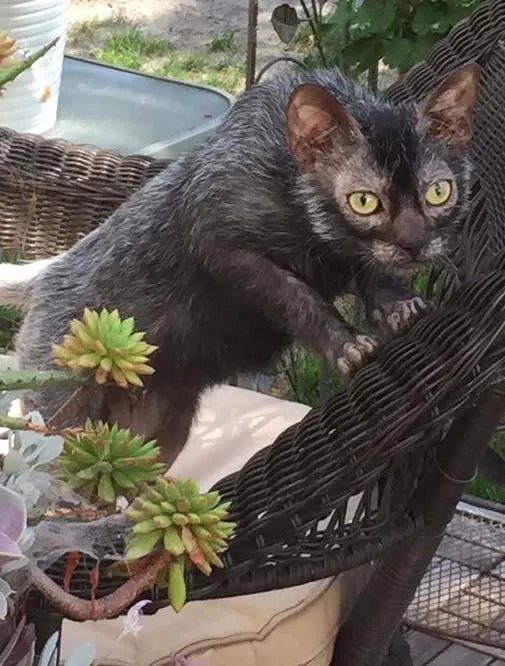
The Lykoi, often called the "Werewolf Cat," is one of the newest and most unusual cat breeds. The name comes from the Greek word "lykos," meaning wolf. These cats have a natural genetic mutation that causes their distinctive partially hairless appearance, including a sparse coat pattern and hairless "mask" on their face that gives them their werewolf-like appearance.
The breed was founded in 2010 from natural mutations found in feral cat populations. Despite their somewhat wild appearance, Lykoi cats are affectionate, loyal companions with dog-like personalities. Their unusual coat and striking appearance have made them highly sought after by cat enthusiasts.
With a typical lifespan of 12-15 years, bringing a Lykoi Cat into your home represents a significant commitment—one that, when properly informed, leads to one of the most rewarding companion animal relationships possible. The Lykoi Cat's intelligent, loyal, playful character is not simply a breed description but reflects deep-seated behavioral tendencies shaped by genetics, early socialization, and the breed's historical development. Understanding these underlying factors helps owners create environments and routines that bring out the best in their Lykoi Cat.
What many prospective Lykoi Cat owners discover quickly is that this breed has a distinctive personality that sets it apart from the generic notion of what a cat is like. The intelligent, loyal, playful traits associated with Lykoi Cat manifest in daily life through specific play preferences, social interaction patterns, vocalization tendencies, and activity rhythms. Some Lykoi Cat are notably more interactive and demanding of attention than average, while others may display an independent streak that requires a different approach to bonding and enrichment. Understanding where your individual Lykoi Cat falls on this spectrum—and adjusting your care approach accordingly—is one of the keys to a harmonious human-cat relationship.
Your veterinarian knows your Lykoi best — always verify dietary choices with them, especially if your cat has existing health conditions.
Personality & Temperament
Lykoi have unique, engaging personalities.
- Strong Hunting Instinct: They have intense prey drive and love chasing toys.
- Loyal and Affectionate: They bond strongly with their owners and can be quite devoted.
- Dog-Like Behavior: Many play fetch, follow their owners, and wag their tails.
- Intelligent: Quick learners who enjoy puzzle toys and interactive games.
- Initially Cautious: They may be wary of strangers but warm up quickly.
- Playful: High energy and love interactive play sessions.
The intelligent, loyal, playful temperament of the Lykoi Cat manifests in daily life through patterns of behavior that experienced owners learn to anticipate, appreciate, and manage. With Lykoi Cat, these communicative behaviors are often more pronounced and distinctive than in many other breeds, which is part of what makes the breed so engaging for owners who take the time to learn their individual cat's behavioral vocabulary.
Common Health Issues
As a new breed, Lykoi health is still being studied.
Coat-Related Concerns
- Temperature Sensitivity: Their sparse coat provides less insulation; they may need warmth in cold weather.
- Skin Oil Buildup: Areas with less hair can accumulate oils and require regular cleaning.
- Sun Sensitivity: Exposed skin can be prone to sunburn.
- Seasonal Molting: They may lose most or all of their coat periodically and regrow it.
General Health Considerations
- Limited Data: As a new breed, long-term health data is still being collected.
- Cardiac Screening: Like all cats, HCM screening is recommended.
- Dental Health: Regular dental care is important.
Health Screening Recommendation
Ask breeders about genetic testing and health history. As a new breed, purchase only from breeders who prioritize health screening. Consider Basepaws DNA testing to monitor for genetic health markers.
Good health outcomes for a Lykoi Cat depend less on reacting to problems and more on preventing them from gaining a foothold.
Cost of Ownership
Understanding the full cost helps prepare for Lykoi ownership.
| Expense Category | Annual Cost Estimate |
|---|---|
| Food (premium quality) | $300-$500 |
| Veterinary Care (routine) | $200-$400 |
| Pet Insurance | $200-$400 |
| Grooming/Skin Care | $100-$200 |
| Litter & Supplies | $200-$350 |
| Toys & Enrichment | $100-$200 |
| Total Annual Cost | $1,100-$2,050 |
Initial Costs: Lykoi kittens are very rare and expensive, typically costing $1,500-$2,500 from reputable breeders. Some may exceed $3,000.
Save on Lykoi Care
Chewy Autoship - Save up to 35% on food & supplies | Lemonade Pet - Pet insurance coverage | Feliway - Stress reduction products
Lykoi Cats — the "werewolf cat" — are a novel breed with a naturally patchy, partially hairless coat that requires some extra attention: their skin can become oily and may need occasional gentle cleaning, and their sparse fur makes them more sensitive to temperature extremes. As one of the rarest cat breeds in the world, purchase prices are among the highest in the feline fancy. Ongoing costs are similar to other domestic cats, though finding a vet with Lykoi experience may require some searching.
Activity Level & Exercise
Lykoi are active cats with strong hunting instincts.
- Interactive Play: Multiple sessions daily to satisfy their hunting drive
- Toy Variety: They especially love toys that mimic prey movement
- Climbing Space: Cat trees and vertical spaces for climbing
- Mental Stimulation: Puzzle feeders and interactive toys
- Fetch: Many Lykoi naturally play fetch
Nutrition & Feeding
Proper nutrition supports Lykoi health and coat.
- High-Quality Protein: Animal protein should be the primary ingredient
- Omega Fatty Acids: Important for skin and coat health
- Balanced Diet: Complete nutrition for all life stages
- Fresh Water: Always available; fountains encourage drinking
- Portion Control: Monitor calories for healthy weight
Top Food Choices for Lykoi
Smalls Cat Food - Human-grade fresh cat food | Nom Nom - Fresh, vet-formulated meals | Chewy - Wide selection of premium cat foods
When evaluating food options for your Lykoi Cat,resist the pull of elaborate ingredient lists. A simpler formula with higher-quality components often delivers better results than a premium-sounding blend loaded with extras your Lykoi Cat does not need.
Grooming Requirements
Lykoi have unique grooming needs.
- Gentle Brushing: Weekly brushing with a soft brush when they have coat
- Skin Cleaning: Regular wiping of hairless areas to remove oil buildup
- Bathing: More frequent than typical cats due to oil accumulation
- Sun Protection: Limit sun exposure; consider pet-safe sunscreen
- Nail Trimming: Every 2-3 weeks
- Ear Cleaning: Weekly checks and cleaning
- Temperature Regulation: Provide warm beds and spaces in cold weather
Is a Lykoi Right for You?
Master this layer of Lykoi care and everything from feeding to vet visits becomes more predictable. Watch your individual Lykoi for feedback signals, and tune routines to the patterns you actually see.
Lykoi Are Great For:
- Experienced cat owners seeking an unique breed
- People who appreciate unusual appearances
- Active households that can provide plenty of playtime
- Those who enjoy the devoted, dog-like personality
- Owners committed to special grooming care
Lykoi May Not Be Ideal For:
- First-time cat owners
- Those wanting a low-maintenance cat
- Very cold climates without adequate indoor heating
- People uncomfortable with unusual appearances
- Those on a limited budget
There is no universal "right owner" for a Lykoi Cat — people from all kinds of backgrounds and living situations make it work. If that describes you, a Lykoi Cat is likely to be a rewarding companion.
The Lykoi's dramatic werewolf appearance tends to be what stops people in their tracks, but the breed's personality is what makes owners stay. Beneath the sparse, partially hairless coat is a cat with an unusually active predatory drive — they stalk toys with serious focus, engage in extended hunting play well into adulthood, and then abruptly flip into affectionate lap-cat mode in a way that makes the switch feel almost theatrical. Owners who provide regular interactive play sessions and accept the Lykoi's cycle of intense activity and cozy downtime find a companion that is never predictable and rarely boring.
Related Cat Breeds to Consider
If you're interested in Lykoi, you might also consider.
- Sphynx - Hairless, similar grooming needs
- Devon Rex - Unusual coat, active personality
- Cornish Rex - Unique coat texture
- Peterbald - Variable hairlessness
Ask Our AI About Lykoi
Have specific questions about Lykoi health, grooming, or care? Our AI assistant can provide personalized guidance.
Related Health & Care Guides
Get Personalized AI Guidance
Ask Our AI NowDecision Guides for Lykoi Cat
Use these only when comparing food, insurance, ownership budget, or beginner fit for this specific pet.