Chausie Cat
Quick Facts
| Attribute | Details |
|---|---|
| Size | Large (15-25 lbs) |
| Lifespan | 12-14 years |
| Temperament | Athletic, Loyal, Intelligent |
| Shedding | Low to Moderate |
| Activity Level | Very High |
| Vocalization | Low to Moderate |
| Good with Kids | Good (older children) |
| Good with Other Pets | Variable (cat-selective) |
| Grooming Needs | Low |
| Intelligence | Very High |
Recommended for Chausies
Basepaws DNA Test - Genetic health screening for cats | Spot Insurance - Coverage for health conditions | Chewy - Quality cat supplies
Chausie Cat Overview
The Chausie (pronounced "chow-see") is a hybrid breed developed by crossing the wild Jungle Cat (Felis chaus) with domestic Abyssinians. The name comes from the Latin name for the Jungle Cat. This breed was developed to provide a domestic cat with the exotic look of a wild cat and has been recognized by TICA since 1995.
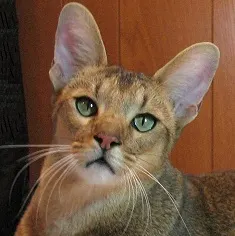
Chausies are one of the largest domestic cat breeds, with males sometimes reaching 25 pounds of lean, athletic muscle. They have a wild appearance with long legs, large ears, and a cougar-like face. Despite their wild ancestry, properly bred Chausies (F4 generation and beyond) make loyal, interactive companions for the right owners.
With a typical lifespan of 12-14 years, bringing a Chausie Cat into your home represents a significant commitment—one that, when properly informed, leads to one of the most rewarding companion animal relationships possible. The Chausie Cat's athletic, loyal, intelligent character is not simply a breed description but reflects deep-seated behavioral tendencies shaped by genetics, early socialization, and the breed's historical development. Understanding these underlying factors helps owners create environments and routines that bring out the best in their Chausie Cat.
What many prospective Chausie Cat owners discover quickly is that this breed has a distinctive personality that sets it apart from the generic notion of what a cat is like. The athletic, loyal, intelligent traits associated with Chausie Cat manifest in daily life through specific play preferences, social interaction patterns, vocalization tendencies, and activity rhythms. Some Chausie Cat are notably more interactive and demanding of attention than average, while others may display an independent streak that requires a different approach to bonding and enrichment. Understanding where your individual Chausie Cat falls on this spectrum—and adjusting your care approach accordingly—is one of the keys to a harmonious human-cat relationship.
Finish by confirming the plan with the Chausie's regular vet; that extra step accounts for ongoing treatments and individual sensitivities.
Personality & Temperament
Chausies are not for first-time or casual cat owners.
- Extremely Athletic: They can jump up to 6 feet from a standing position and need space to run.
- Highly Intelligent: They require mental stimulation and can figure out how to open doors and cabinets.
- Loyal Companions: They bond deeply with their chosen humans and can be devoted.
- Active and Playful: They need extensive daily play and exercise.
- Dog-Like Behaviors: Many enjoy fetch, walks on leashes, and following their owners.
- Sensitive to Neglect: They do not tolerate being left alone for long periods.
The athletic, loyal, intelligent temperament of the Chausie Cat manifests in daily life through patterns of behavior that experienced owners learn to anticipate, appreciate, and manage. With Chausie Cat, these communicative behaviors are often more pronounced and distinctive than in many other breeds, which is part of what makes the breed so engaging for owners who take the time to learn their individual cat's behavioral vocabulary.
Common Health Issues
Chausies have specific health considerations related to their hybrid nature.
Digestive Issues
- Food Sensitivities: Many Chausies have shortened intestinal tracts and cannot properly digest grains, vegetables, or plant-based ingredients. This is a significant breed characteristic.
- Inflammatory Bowel Disease (IBD): Can develop if fed inappropriate diets containing plant matter.
Inherited from Abyssinian Lines
- Pyruvate Kinase Deficiency (PKD): An inherited enzyme deficiency causing anemia. DNA testing available.
- Renal Amyloidosis: Protein deposits in kidneys, more common in Abyssinian-related breeds.
General Health Concerns
- Hypertrophic Cardiomyopathy (HCM): Heart disease screening recommended.
- Dental Disease: Regular dental care important.
Critical Diet Information
Chausies often cannot digest plant-based foods. They may require a meat-only diet. Consult with your veterinarian about appropriate grain-free, high-protein diets. Consider Basepaws DNA testing to understand your cat's genetic health profile.
Keeping your Chausie Cat healthy over the long haul requires attention to details that are easy to overlook.
If you are curious about your Chausie Cat's inherited health profile, genetic testing can provide valuable context.
As your Chausie Cat ages, their care needs will shift in ways that are easier to manage when anticipated.
Cost of Ownership
Understanding the full cost helps prepare for Chausie ownership.
| Expense Category | Annual Cost Estimate |
|---|---|
| Food (premium meat-based) | $800-$1,500 |
| Veterinary Care (routine) | $300-$500 |
| Pet Insurance | $400-$700 |
| Grooming Supplies | $50-$100 |
| Litter & Supplies | $300-$500 |
| Toys & Enrichment | $200-$400 |
| Total Annual Cost | $2,050-$3,700 |
Initial Costs: Chausie kittens from reputable breeders typically cost $1,500-$5,000. Higher generation cats (F1-F3) are more expensive and may have legal restrictions in some areas.
Save on Chausie Care
Chewy Autoship - Save on high-protein cat food | Lemonade Pet - Pet insurance coverage | Feliway - Stress reduction products
No matter how carefully you plan, owning a Chausie Cat will occasionally throw a curveball. A modest emergency fund — separate from your regular care budget — ensures that surprise expenses do not compromise the quality of care your Chausie Cat receives.
Budgeting for a Chausie Cat is easiest once you understand the spending curve.
Your Chausie might look perfectly healthy and still benefit from a routine exam.
Activity Level & Exercise
Chausies have extremely high activity needs.
- Space Requirements: They need large living spaces or outdoor access (secure catio)
- Daily Play: Multiple vigorous play sessions totaling 30-60 minutes daily
- Vertical Space: Tall cat trees, shelving, and climbing opportunities essential
- Running: Cat wheels are excellent for indoor exercise
- harness training: Many Chausies excel at outdoor walks on leash
- Water Play: Many enjoy playing with water
Nutrition & Feeding
Diet is critically important for Chausies.
- Meat-Based Diet: Many require diets with minimal or no plant ingredients
- High-Quality Protein: Animal protein must be the primary (ideally only) ingredient
- Raw or Wet Food: May be better tolerated than kibble
- Avoid Grains: Most Chausies cannot digest grains, corn, or plant fillers
- Fresh Water: Always available; many prefer running water
Top Food Choices for Chausies
Smalls Cat Food - Human-grade fresh cat food | Nom Nom - Fresh, protein-rich meals | Chewy - Wide selection of grain-free options
Grooming Requirements
Chausies have low grooming needs.
- Brushing: Weekly brushing to remove loose hair
- Bathing: Rarely needed unless they get dirty
- Nail Trimming: Every 2-3 weeks; provide scratching posts
- Ear Cleaning: Weekly checks and cleaning as needed
- Dental Care: Regular brushing recommended
Is a Chausie Right for You?
Aspects like this do not attract attention, but they carry real weight in the Chausie's long-term quality of life.
Chausies Are Great For:
- Experienced cat owners who understand hybrid breeds
- Active households that can provide extensive exercise
- Those with large homes or secure outdoor access
- People who work from home or have flexible schedules
- Owners willing to provide specialized diets
Chausies May Not Be Ideal For:
- First-time cat owners
- Small apartments without vertical space
- People away from home for long hours
- Homes with very young children
- Those unable to afford specialized diets
- Areas with legal restrictions on hybrid cats
If your research has confirmed that you can realistically meet a Chausie Cat's needs, the next move is finding a healthy, well-adjusted individual from a responsible breeder or a breed-specific rescue. A well-chosen Chausie Cat from a reliable source sets the stage for a much smoother experience from day one.
The day-to-day rhythm of caring for a Chausie Cat — feeding at set times, maintaining their environment, observing their behavior — creates a relationship built on reliability and trust. It is not glamorous work, but it is the foundation of every strong bond between an owner and their Chausie Cat.
Related Cat Breeds to Consider
If you're interested in Chausies, you might also consider.
- Savannah - Another large hybrid breed
- Bengal - Exotic look, more manageable size
- Abyssinian - Parent breed, similar energy
- Somali - Related to Abyssinian, active personality
Ask Our AI About Chausies
Have specific questions about Chausie diet, behavior, or care? Our AI assistant can provide personalized guidance.
Related Health & Care Guides
Get Personalized AI Guidance
Ask Our AI NowDecision Guides for Chausie Cat
Use these only when comparing food, insurance, ownership budget, or beginner fit for this specific pet.