Ragdoll Cat
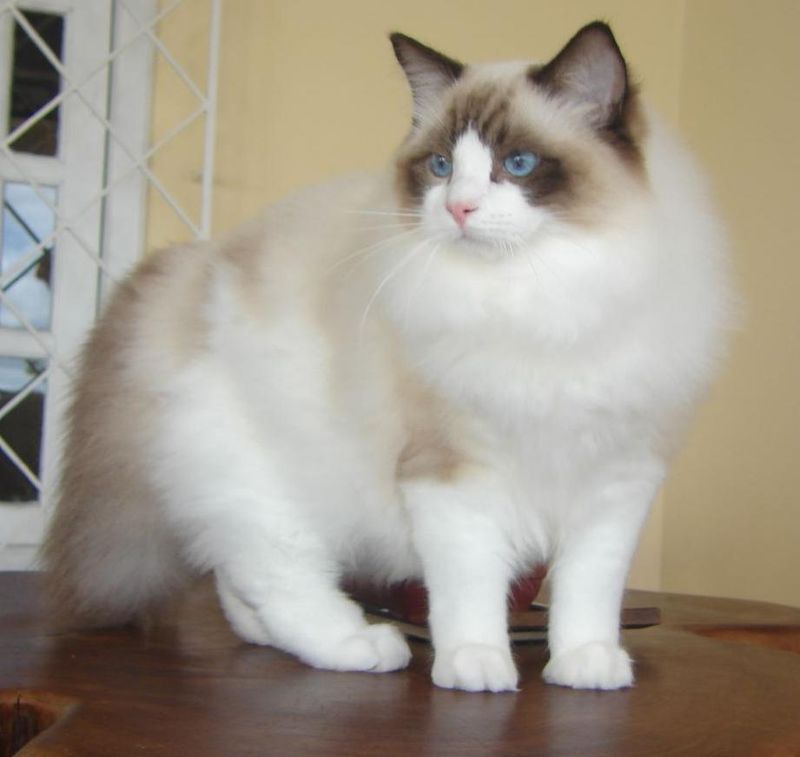
Quick Facts
| Attribute | Details |
|---|---|
| Size | Large (10-20 lbs) |
| Lifespan | 12-17 years |
| Temperament | Docile, Affectionate, Relaxed |
| Shedding | Moderate to High |
| Activity Level | Low to Moderate |
| Vocalization | Low (soft voice) |
| Good with Kids | Excellent |
| Good with Other Pets | Excellent |
| Grooming Needs | Moderate |
| Intelligence | High |
Recommended for Ragdoll Cats
Basepaws DNA Test - Screen for HCM genetic markers | Spot Insurance - Coverage for heart conditions | Chewy - Large breed cat essentials
Ragdoll Cat Overview
The Ragdoll is a large, affectionate cat breed developed in California in the 1960s. Named for their tendency to go limp and relaxed when picked up, Ragdolls are often called "kitten cats" because they follow their owners around and greet them at the door. Their stunning blue eyes, semi-long silky coat, and colorpoint pattern make them one of the most beautiful cat breeds.
Ragdolls are born white and develop their color patterns over the first few years of life. They come in several patterns including colorpoint, mitted, bicolor, and lynx, with colors ranging from seal and blue to chocolate, lilac, red, and cream.
Ragdolls earned their name honestly. Pick one up and they go completely limp in your arms, a trait that is genuinely unique among cat breeds. This docile, trusting nature makes them wonderful family cats, but it also means they lack the street smarts and self-preservation instincts of more independent breeds. Ragdolls should never be outdoor cats. They will not run from dogs, cars, or other threats the way most cats would. With a lifespan of 12 to 17 years, keeping them safely indoors is a commitment that protects this trusting breed throughout their long life.
People who have only owned independent cat breeds are often startled by how attached a Ragdoll becomes. These cats follow you everywhere: to the kitchen, the bathroom, the laundry room. They greet you at the door when you come home and settle at your feet while you work. Unlike more aloof breeds, Ragdolls actively seek physical contact and will drape themselves across your lap, your keyboard, or your book if given the chance. For people who want a cat that behaves more like a loyal companion dog, the Ragdoll delivers.
Ragdolls are unusual among cats in that they prefer floor-level living. While most breeds love climbing to the highest point in a room, Ragdolls tend to stay on the ground or on low furniture. This means you do not necessarily need an elaborate tall cat tree, but you should provide comfortable ground-level resting spots, cozy beds in several rooms, and low scratching posts. Their large size (males routinely reach 15 to 20 pounds) also means they appreciate spacious, soft resting areas rather than cramped cat beds designed for smaller breeds.
Personality & Temperament
Ragdolls are renowned for their exceptional temperament.
- Docile & Relaxed: They go limp when held, making them excellent cuddle companions and easy to handle.
- Affectionate: Ragdolls form deep bonds with their families and want to be involved in everything you do.
- Dog-Like Behavior: They follow owners from room to room, greet people at the door, and can learn tricks and commands.
- Gentle: Their non-aggressive nature makes them ideal for families with children.
- Floor Cats: Unlike many breeds, Ragdolls prefer staying at floor level rather than climbing to high places.
- Trusting: Their docile nature means they trust easily, making them strictly indoor cats for safety.
Ragdolls are quiet cats who communicate more through body language and presence than through vocalization. When they do speak up, it is usually a soft, sweet meow that is easy to miss in a noisy household. Their primary way of telling you something is by following you, sitting on or near whatever you are doing, and gazing at you with those intense blue eyes. A Ragdoll who wants dinner will sit patiently by the food bowl staring at you rather than yowling. Learning to notice these gentle signals is part of building a relationship with this low-key breed.
Despite their relaxed reputation, Ragdolls do enjoy play, especially games that involve their human. Many Ragdolls naturally learn to play fetch, carrying soft toys back to you and dropping them at your feet. They also enjoy slow-moving wand toys and gentle wrestling with stuffed animals. They are not jumpers or sprinters like Bengals or Abyssinians, so keep play sessions moderate and ground-based. About 15 to 20 minutes of interactive play daily keeps them mentally engaged and helps prevent the weight gain that their sedentary lifestyle makes them prone to.
Ragdolls take changes in stride better than many purebred cats, partly because their overall temperament is so easygoing. However, their strong attachment to their people means they can develop separation anxiety if left alone for extended periods. Ragdolls who are home alone all day may become lethargic, stop eating, or over-groom. If your household is empty during work hours, a second cat (another Ragdoll or a similarly gentle breed) can make a significant difference in your cat's emotional wellbeing.
Common Health Issues
Ragdolls are generally healthy but have some breed-specific concerns.
Cardiac Conditions
- Hypertrophic Cardiomyopathy (HCM): The most significant health concern in Ragdolls. A genetic mutation (MYBPC3) has been identified. DNA testing and regular echocardiograms are essential.
Urinary Issues
- Bladder Stones: Ragdolls may be prone to calcium oxalate bladder stones.
- Feline Lower Urinary Tract Disease (FLUTD): Can affect this breed, requiring proper hydration.
Other Concerns
- Obesity: Their relaxed nature can lead to weight gain without proper diet management.
- Hairballs: Semi-long coat can contribute to hairball issues.
- Infectious Peritonitis (FIP): Some lines may have increased susceptibility.
Health Screening Recommendation
Before getting a Ragdoll, ask breeders for HCM DNA testing and echocardiogram results. Annual heart screenings are recommended throughout life. Consider Basepaws DNA testing for comprehensive genetic health screening.
HCM is the most significant health threat facing Ragdolls. A specific genetic mutation (MYBPC3-R820W) has been identified in the breed, and a DNA test exists. However, not all Ragdoll HCM cases are linked to this mutation, so even cats that test negative should still receive periodic echocardiograms. Ask your vet about starting cardiac screening at age two, with annual follow-ups. Early detection allows for medications like atenolol or clopidogrel that can slow disease progression and reduce the risk of blood clots.
Urinary tract problems are the other major concern for Ragdoll owners. This breed seems to develop calcium oxalate bladder stones at higher rates than most cats, and they can also be affected by feline lower urinary tract disease (FLUTD), especially males. Keeping your Ragdoll well-hydrated is the best preventive strategy. Wet food as the primary diet, multiple water fountains throughout the home, and adding water to kibble meals all help dilute urine and reduce stone formation. Watch for signs of urinary distress: straining in the litter box, frequent small urinations, or blood in the urine. A male cat who cannot urinate at all is a life-threatening emergency that requires immediate veterinary care.
Ragdolls mature very slowly, not reaching full size until about age four. During this extended growth period, monitor their development with your vet to ensure they are gaining weight appropriately without becoming overweight. Their relaxed personality means they burn fewer calories than active breeds, so it is easy to overfeed a growing Ragdoll. Once they reach adulthood, annual wellness exams that include bloodwork, a cardiac listen, and a weight check are the minimum standard of preventive care for this breed.
Cost of Ownership
Understanding the full cost helps prepare for Ragdoll ownership: Understanding how this applies specifically to Ragdoll helps you avoid common pitfalls.
| Expense Category | Annual Cost Estimate |
|---|---|
| Food (premium quality) | $450-$800 |
| Veterinary Care (routine) | $200-$400 |
| Pet Insurance | $300-$600 |
| Grooming | $100-$300 |
| Litter & Supplies | $250-$400 |
| Toys & Enrichment | $100-$200 |
| Total Annual Cost | $1,400-$2,700 |
Initial Costs: Ragdoll kittens from reputable breeders typically cost $1,200-$2,500. Show-quality or rare colors can exceed $4,000.
Save on Ragdoll Care
Chewy Autoship - Save up to 35% on food & supplies | Lemonade Pet - Affordable coverage from $12/month | Feliway - Keep your sensitive Ragdoll stress-free
Ragdolls fall in the mid-range for purebred cat costs. Their grooming needs are moderate (their silky coat lacks the dense undercoat that makes Persian grooming so demanding), and their veterinary needs are fairly standard outside of cardiac screening. The biggest ongoing expense unique to this breed is the annual echocardiogram, which runs $300 to $500 depending on your location and whether you see a general practitioner or a board-certified cardiologist.
Because Ragdolls are large cats who eat more than average, food costs tend to be $40 to $70 per month for quality wet and dry food. Their calm temperament means they are not rough on toys or furniture, so enrichment costs stay reasonable. However, their preference for companionship means many Ragdoll households end up with two cats, which doubles food, litter, and veterinary costs.
Pet insurance makes particular sense for Ragdolls given the HCM risk. A single HCM diagnosis can lead to years of medication costs ($50 to $150 per month), regular echocardiograms, and potential emergency visits. Look for policies that cover congenital and hereditary conditions and that do not exclude cardiac disease. Enrolling your kitten before any conditions are documented gives you the broadest possible coverage for the life of the cat.
Activity Level & Exercise
Ragdolls are moderately active cats that enjoy interactive play: Your veterinarian and experienced Ragdoll owners can offer perspective tailored to your situation.
- Interactive Play: 15-20 minutes of play sessions daily with wand toys or fetch
- Floor Activities: They prefer ground-level play to climbing
- Fetch: Many Ragdolls naturally enjoy playing fetch like a cat
- Puzzle Toys: Food puzzles provide mental stimulation
- Human Companionship: Their favorite activity is spending time with their people
Nutrition & Feeding
Proper nutrition supports Ragdoll health: Your veterinarian and experienced Ragdoll owners can offer perspective tailored to your situation.
- High-Protein Diet: Quality animal protein should be the primary ingredient
- Weight Management: Monitor portions carefully as they can gain weight easily
- Heart Health: Foods with taurine and omega-3s support cardiac function
- Hydration: Wet food or water fountains help prevent urinary issues
- Slow Growth: Ragdolls take 4 years to fully mature - avoid overfeeding during development
Top Food Choices for Ragdolls
Smalls Cat Food - Human-grade fresh cat food | Nom Nom - Customized fresh meals | Chewy - Large breed and heart-healthy formulas
Ragdolls benefit from a high-moisture diet that supports their urinary health. Wet food should make up the majority of their meals, with dry kibble offered as a supplement or treat rather than the dietary foundation. Look for foods with taurine levels of at least 0.1% (critical for heart health in a breed prone to HCM) and omega-3 fatty acids from fish oil to support their silky coat. Foods formulated for indoor or less-active cats help manage calorie intake without reducing essential nutrients.
Weight management is a lifelong concern with Ragdolls. Their relaxed temperament means they burn fewer calories than active breeds, and their large frame can hide gradual weight gain. Weigh your Ragdoll monthly on a baby scale or bathroom scale (weigh yourself, then weigh yourself holding the cat, and subtract). A steady upward trend of even a quarter-pound per month adds up quickly. Adjust portion sizes before weight becomes a problem rather than after, since overweight Ragdolls put extra stress on their hearts and joints.
Grooming Requirements
Ragdolls have moderate grooming needs despite their semi-long coat: Your veterinarian and experienced Ragdoll owners can offer perspective tailored to your situation.
- Brushing: 2-3 times weekly to prevent mats and reduce shedding
- Coat Type: Their silky coat lacks an undercoat, making it less prone to matting than Persian coats
- Bathing: Occasional baths every 4-8 weeks if needed
- Nail Trimming: Every 2-3 weeks
- Eye Cleaning: Regular cleaning of eye area to prevent staining
- Dental Care: Regular brushing recommended
Is a Ragdoll Cat Right for You?
Once this part of Ragdoll care clicks, the downstream choices tend to come faster and land better. Any care plan for a Ragdoll improves when it reflects the quirks of the specific animal, not a generic profile.
Ragdolls Are Great For:
- Families with children (extremely patient and gentle)
- Those wanting an affectionate, lap-friendly cat
- First-time cat owners (easy-going temperament)
- Homes with other pets
- People who are home frequently (they need companionship)
Ragdolls May Not Be Ideal For:
- Those who are away from home frequently
- Outdoor-only environments (too trusting for outdoor life)
- Those seeking an independent cat
- People who cannot afford HCM screening and potential treatment
- Very active households wanting a playful, energetic cat
Material diet transitions benefit from a pre-change vet conversation, particularly when medications or diagnostic monitoring is already in place.
Related Cat Breeds to Consider
If you're interested in Ragdolls, you might also consider.
- Ragamuffin - Related breed, even more color variety
- Birman - Similar appearance, sacred temple cat history
- Maine Coon - Large, friendly, more active personality
- Persian - Similarly calm, more grooming needs
Ask Our AI About Ragdoll Cats
Have specific questions about Ragdoll cat health, grooming, or care? Our AI assistant can provide personalized guidance.
Hypertrophic Cardiomyopathy Screening for Ragdoll
The Ragdoll has a documented HCM prevalence of approximately 15-30% in screened breeding populations. The MyBPC3 (R820W) mutation, distinct from the Maine Coon variant, has been identified in Ragdolls. Genetic testing is commercially available. Homozygous positive cats have earlier onset and worse prognosis than heterozygous carriers.
Screening Protocol: Screen from 1 year of age with echocardiography. Repeat annually. Ragdolls homozygous for the R820W mutation should be monitored more frequently.
Ragdoll HCM can progress rapidly in some individuals. Early detection before left atrial dilation occurs is associated with better long-term management outcomes.
Key Risk Factors: Homozygous R820W status, male sex, and large body size are primary risk factors. Breeding cats should be screened and genetically tested before mating.
Related Health & Care Guides
Owners sometimes skip past this when planning for a Ragdoll, yet it quietly shapes quality of life across the years.
Get Personalized AI Guidance
Ask Our AI NowDecision Guides for Ragdoll Cat
Use these only when comparing food, insurance, ownership budget, or beginner fit for this specific pet.