Golden Conure (Queen of Bavaria)
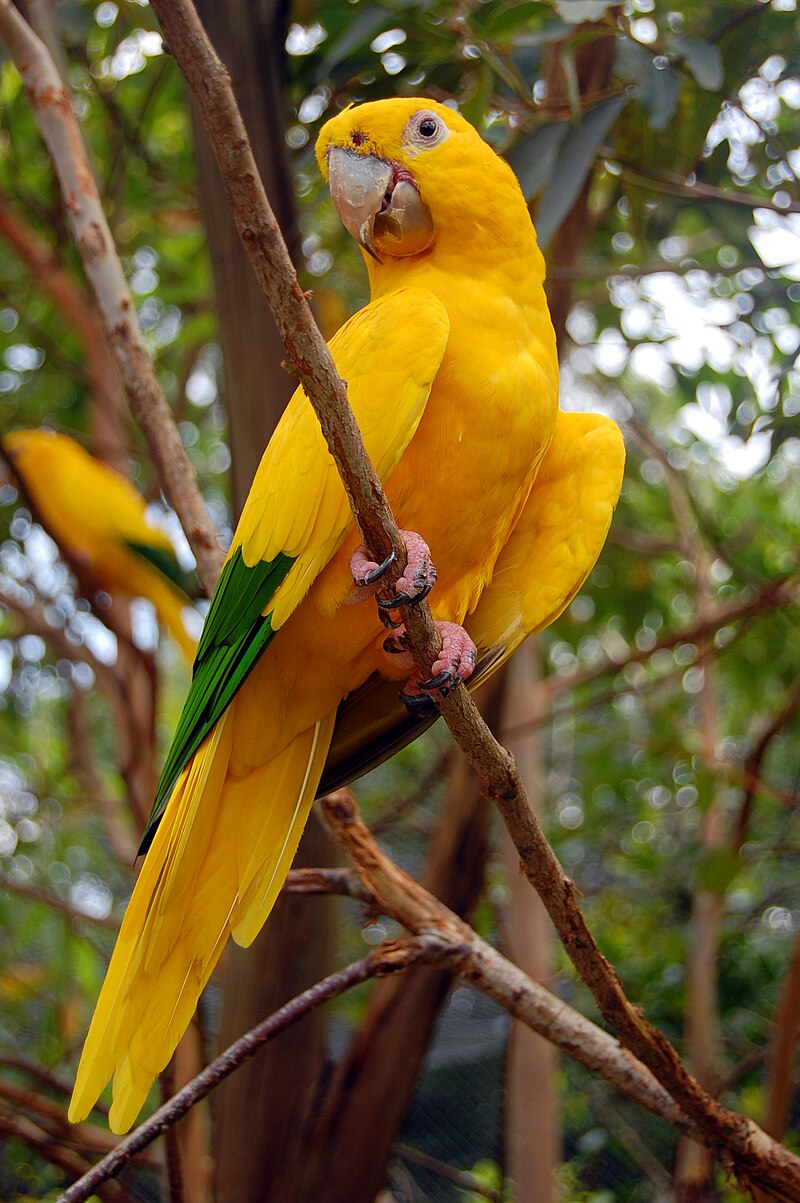
Quick Facts
| Attribute | Details |
|---|---|
| Type | Conure |
| Size | 14 inches |
| Weight | 8-10 oz |
| Lifespan | 20-30 years |
| Temperament | Affectionate, Social, Playful |
| Noise Level | Loud |
| Talking Ability | Moderate |
| Origin | Brazil |
Golden Conure (Queen of Bavaria) Overview
The Golden Conure (Queen of Bavaria) is a popular pet bird species known for its Affectionate, Social, Playful. Originating from Brazil, this Conure has become a beloved companion for bird enthusiasts worldwide.
Whether you are a first-time owner or an experienced keeper, understanding the specific needs of Golden Conure (Queen of Bavaria) is essential for providing optimal care. This comprehensive guide covers everything from housing and diet to health concerns and daily care routines, ensuring your Golden Conure (Queen of Bavaria) thrives in captivity.
The Golden Conure (Queen of Bavaria) represents one of the most fascinating birds available in aviculture, combining striking physical characteristics with a behavioral complexity that rewards attentive ownership. With a potential lifespan of 20-30 years, committing to a Golden Conure (Queen of Bavaria) is a decision that can span a significant portion of an owner's life. This species has evolved in specific ecological niches that have shaped everything from their dietary requirements to their social structure, and understanding these evolutionary foundations is essential for providing care that goes beyond mere survival to support genuine thriving.
Behaviorally, Golden Conure (Queen of Bavaria) exhibit a range of social and cognitive capabilities that continue to impress researchers and experienced keepers alike. Their affectionate, social, playful nature manifests in specific ways—from complex vocalizations and social bonding behaviors to problem-solving abilities and emotional responses that are increasingly well-documented in avian behavioral science. These birds form strong attachments to their human caregivers and can experience genuine distress when their social needs are not met. This means that owning a Golden Conure (Queen of Bavaria) is not simply about providing physical necessities like food and shelter, but about establishing a relationship that includes regular interaction, mental stimulation, and respectful handling.
The physical environment you create for your Golden Conure (Queen of Bavaria) has a direct and measurable impact on their quality of life. The cage or aviary should be sized generously—larger is almost always better, as these birds need space for wing stretching, climbing, and play. Beyond cage dimensions, environmental factors such as lighting quality (including access to full-spectrum or natural light), ambient temperature stability, air quality, and noise levels all influence your Golden Conure (Queen of Bavaria)'s physical health and emotional state. Many experienced Golden Conure (Queen of Bavaria) owners report that investing in the highest quality cage or aviary and environmental controls they can afford pays dividends in reduced veterinary costs and improved behavioral outcomes over the bird's lifetime.
Temperament & Behavior
Golden Conure (Queen of Bavaria) are known for being Affectionate, Social, Playful. Their Loud noise level and Moderate talking ability make them best suited for homes where some noise is acceptable. These birds thrive with regular interaction and mental stimulation.
The personality of a Golden Conure (Queen of Bavaria) is one of its most captivating qualities, but it also represents one of the greatest responsibilities of ownership. These birds are not background pets—they are socially complex individuals that form deep attachments, experience boredom and frustration, and require consistent mental engagement to maintain psychological health. A well-socialized Golden Conure (Queen of Bavaria) with an affectionate, social, playful disposition will seek out interaction, respond to training, and develop what many owners describe as a genuine two-way relationship. However, this social sophistication also means that neglected or understimulated Golden Conure (Queen of Bavaria) are highly susceptible to behavioral problems including feather destructive behavior, excessive vocalization, and aggression.
Understanding the social dynamics of Golden Conure (Queen of Bavaria) is crucial for multi-bird households and for managing the human-bird bond. These birds can develop strong preferences for specific family members, sometimes to the point of displaying protective or jealous behaviors toward others. This is not random—it reflects the species' natural pair-bonding and flock hierarchy instincts being expressed within the domestic environment. Managing these dynamics requires consistent behavior protocols across all family members, ensuring that the Golden Conure (Queen of Bavaria) receives positive socialization from multiple people rather than becoming exclusively bonded to a single individual. This broader social foundation produces a more well-adjusted, adaptable bird.
Vocalization patterns in Golden Conure (Queen of Bavaria) serve multiple functions and should be understood rather than simply tolerated or suppressed. Morning and evening contact calls are natural flock communication behaviors that serve an important psychological function. Alarm calls indicate genuine perceived threats. Repetitive or excessive vocalization, on the other hand, often signals boredom, anxiety, or learned attention-seeking behavior. Distinguishing between these vocalization types—and responding appropriately to each—is a skill that develops over time and is essential for maintaining a harmonious household. Many successful Golden Conure (Queen of Bavaria) owners establish daily routines that include designated interaction times, which helps the bird anticipate social engagement and reduces anxiety-driven vocalization.
Housing & Environment Requirements
Provide a spacious cage appropriate for Golden Conure (Queen of Bavaria) - minimum dimensions should allow full wingspan extension plus room to climb and play. Include multiple perches of varying widths and materials, foraging toys, and food/water dishes. The cage should be placed in a social area of the home, away from drafts, direct sunlight, and kitchen fumes. Maintain temperatures between 65-80°F with appropriate humidity levels.
Diet & Nutrition
A balanced diet for Golden Conure (Queen of Bavaria) should include high-quality pellets as the foundation (60-70% of diet), supplemented with fresh fruits and vegetables (20-30%), and limited seeds/nuts as treats (5-10%). Fresh, clean water should always be available. Avoid avocado, chocolate, caffeine, alcohol, and high-salt foods. Consult an avian veterinarian for species-specific dietary recommendations.
Diet has a compounding effect on Golden Conure (Queen of Bavaria) health. Small improvements in food quality — better protein sources, fewer artificial additives, appropriate calorie density — add up over years. You will not see dramatic changes overnight, but over the course of your Golden Conure (Queen of Bavaria)'s life, consistent good nutrition makes a measurable difference in energy, mobility, and overall well-being.
Nutrition for your Golden Conure (Queen of Bavaria) should be evaluated by results, not labels. The best food is the one that keeps your Golden Conure (Queen of Bavaria) at a healthy weight, supports a glossy coat, provides steady energy, and produces firm, consistent stool. If you are seeing all four, you have likely found the right fit — regardless of what the packaging promises.
Common Health Issues
Common health concerns for Golden Conure (Queen of Bavaria) include respiratory infections, psittacine beak and feather disease, feather plucking (often stress-related), and nutritional deficiencies. Signs of illness include fluffed feathers, changes in droppings, decreased appetite, lethargy, and discharge from eyes or nares. Birds hide illness well, so annual avian vet checkups are essential. Seek immediate veterinary care if you notice labored breathing, bleeding, or sudden behavioral changes.
Avian health management for Golden Conure (Queen of Bavaria) requires a proactive approach built on understanding that birds, like all prey species, instinctively conceal signs of illness until they can no longer compensate. By the time a Golden Conure (Queen of Bavaria) displays obvious symptoms such as fluffed feathers, tail bobbing, or sitting on the cage bottom, the underlying condition may already be advanced. This makes routine preventive care, regular wellness examinations with an avian veterinarian, and attentive daily observation essential components of responsible Golden Conure (Queen of Bavaria) ownership.
Nutritional health is one of the most significant and controllable factors influencing your Golden Conure (Queen of Bavaria)'s long-term wellbeing. Seed-only diets, once standard in aviculture, are now understood to be nutritionally incomplete and are associated with fatty liver disease, vitamin A deficiency, calcium deficiency, and obesity—conditions that collectively represent the most common preventable health problems in captive birds. A complete diet for Golden Conure (Queen of Bavaria) should center on high-quality formulated pellets (comprising 60-70% of intake) supplemented with fresh vegetables, appropriate fruits, and species-specific treats. Transitioning a seed-addicted Golden Conure (Queen of Bavaria) to a balanced diet requires patience and creativity, but the health benefits are substantial and well-documented.
Environmental health factors play a larger role in Golden Conure (Queen of Bavaria) health than many owners realize. Air quality is critically important—birds have exceptionally efficient respiratory systems that make them highly sensitive to airborne toxins including non-stick cookware fumes (PTFE/Teflon), aerosol sprays, scented candles, air fresheners, and cigarette smoke. These substances can cause acute respiratory distress and death in birds at concentrations that produce no symptoms in humans or other pets. Temperature stability, appropriate humidity, and access to natural or full-spectrum lighting also contribute to immune function, feather quality, and behavioral health. Creating a safe, controlled environment for your Golden Conure (Queen of Bavaria) is as important as diet and veterinary care in maintaining long-term health.
Grooming & Maintenance
Regular grooming for Golden Conure (Queen of Bavaria) includes providing bathing opportunities (mist spray or shallow dish), nail trimming as needed, and wing clipping (optional and debated - consult your avian vet). Keep the cage clean with daily spot cleaning and weekly deep cleaning. Replace food and water daily. Rotate toys regularly to prevent boredom.
Beginner-Friendly Rating: Intermediate
Golden Conure (Queen of Bavaria) are suitable for keepers with some experience. While not the most demanding species, they do require attention to specific care requirements that benefit from prior knowledge. Understanding their environmental needs, dietary preferences, and health indicators will help ensure success with this species.
Before acquiring a Golden Conure (Queen of Bavaria), research thoroughly and prepare the habitat in advance. Join online communities and forums dedicated to aviculture to connect with experienced keepers who can offer guidance specific to Golden Conure (Queen of Bavaria) care. Having a knowledgeable mentor can make the difference between a thriving pet and a frustrating experience.
Socialization & Enrichment
Socialization is critical for Golden Conure (Queen of Bavaria). These intelligent creatures thrive on interaction and mental stimulation. Introduce your bird to new experiences gradually, including different people, environments, and objects. Regular out-of-cage time in a safe, supervised environment helps maintain physical fitness and mental wellbeing. Foraging opportunities - hiding food in toys, wrapping treats in paper, or scattering food for them to find - replicate natural feeding behaviors and prevent boredom-related issues.
Consider providing puzzle toys, rotating toys regularly, and offering a variety of textures and materials for exploration. Many Golden Conure (Queen of Bavaria) owners find that their birds enjoy music, gentle conversation, and watching nature videos. Training sessions using positive reinforcement strengthen the bond between bird and owner while providing essential mental exercise. Even simple behaviors like step-up, wave, and recall can be taught to most pet birds.
Where to Find Golden Conure (Queen of Bavaria)
Look for reputable breeders who hand-raise their birds, provide health guarantees, and are knowledgeable about Golden Conure (Queen of Bavaria) care. Visit the breeder in person when possible to see the conditions birds are raised in. Rescue organizations and bird sanctuaries are also excellent sources, especially for those willing to adopt older birds that need new homes. Avoid purchasing birds from pet stores that cannot provide health histories or breeding information.
Cost of Ownership Overview
| Expense | Estimated Cost |
|---|---|
| Initial Setup (bird + cage + supplies) | $200-$3,000+ |
| Annual Food | $150-$400 |
| Annual Vet Care | $100-$300 |
| Toys & Enrichment (annual) | $100-$250 |
The numbers in the table above are averages — your actual spending will depend on where you live, your Golden Conure (Queen of Bavaria)'s individual health, and the choices you make about food quality, insurance, and grooming. Cities tend to be pricier for vet care. Rural areas may require longer drives to specialists. Build your budget with some room for the unexpected, because surprises are part of owning any pet.
Most new Golden Conure (Queen of Bavaria) owners are surprised by first-year costs. The initial setup — vet visits, vaccinations, supplies, and often training classes — can easily double the annual maintenance figure. The good news is that subsequent years are more predictable. Just keep in mind that senior Golden Conure (Queen of Bavaria) may need additional care as they enter the last few years of their 20-30 years lifespan.
Think of preventive care as an insurance policy with a guaranteed payout. The cost of annual exams, vaccinations, and routine health monitoring is a known quantity you can budget for. The cost of treating a preventable disease is unpredictable and almost always higher. For Golden Conure (Queen of Bavaria) owners, staying on top of preventive care is one of the simplest ways to reduce lifetime veterinary expenses.
Daily Care Routine for Golden Conure (Queen of Bavaria)
A consistent daily routine is essential for Golden Conure (Queen of Bavaria) health and wellbeing. Start each morning by uncovering the cage (if you use a cover), refreshing food and water dishes, and spending a few minutes talking to your bird. Morning is often when birds are most active and vocal, making it an ideal time for interaction. Throughout the day, provide supervised out-of-cage time in a bird-safe room, rotating toys and foraging opportunities.
Evening routines should include a final feeding check, cage tidying, and a calm wind-down period. Most Golden Conure (Queen of Bavaria) need 10-12 hours of uninterrupted sleep in a quiet, dark environment. Consistent sleep schedules are crucial for hormonal health and preventing behavioral issues like excessive screaming or feather destructive behavior. Weekly tasks include thorough cage cleaning, perch scrubbing, and toy rotation.
Common Questions About Golden Conure (Queen of Bavaria)
If you are optimizing a Golden Conure's routine, this is one of the higher-leverage items to get right early.
How long do Golden Conure (Queen of Bavaria) live?
Golden Conure (Queen of Bavaria) typically live 20-30 years in captivity with proper care. Lifespan is heavily influenced by diet quality, veterinary care, mental stimulation, and environmental conditions. Birds fed a varied, nutritious diet and given regular veterinary checkups (as recommended by the AVMA for all companion animals) tend to live longer than those on seed-only diets without medical attention.
Are Golden Conure (Queen of Bavaria) noisy?
Golden Conure (Queen of Bavaria) have a loud noise level. They can be quite vocal, especially during dawn and dusk. This breed is best suited for homes where noise tolerance is high and neighbors are not in close proximity. All birds vocalize - it is a natural and healthy behavior that should never be punished.
Can Golden Conure (Queen of Bavaria) talk?
Golden Conure (Queen of Bavaria) have moderate talking ability. While they may learn a few words or sounds, they are not primarily kept for talking ability. Their charm lies in their personality and beauty. Remember that talking ability varies greatly between individual birds, and no bird should be purchased solely for its potential to talk.
Do Golden Conure (Queen of Bavaria) need a companion?
While Golden Conure (Queen of Bavaria) are social creatures, a single bird can thrive with sufficient human interaction and enrichment. If you work long hours, a companion bird of the same or compatible species may prevent loneliness. However, bonded pairs often become less interested in human interaction, so consider your goals when deciding. Always quarantine new birds and introduce them gradually.
Long-Term Commitment & Responsible Ownership
Bringing a Golden Conure (Queen of Bavaria) into your home is a commitment that can last 20-30 years. Before acquiring one, carefully consider whether your lifestyle, living situation, and finances can accommodate a bird for this duration. Birds require daily interaction, a proper diet, veterinary care, and mental stimulation throughout their lives. Changes in your life - moves, new household members, career changes - all need to account for your bird's needs and wellbeing.
Include your Golden Conure (Queen of Bavaria) in long-term planning. Designate a trusted person who can care for your bird if something happens to you, especially for longer-lived species. Never release pet birds into the wild, as they typically cannot survive and may spread diseases to native bird populations. If rehoming becomes necessary, contact avian rescue organizations in your area.
Get Personalized Golden Conure (Queen of Bavaria) Guidance
Have specific questions about your Golden Conure (Queen of Bavaria)? Our AI assistant provides expert-level, personalized advice based on your pet's unique needs and situation.
Ask Our AI NowDecision Guides for Golden Conure (Queen of Bavaria)
Use these only when comparing food, insurance, ownership budget, or beginner fit for this specific pet.
Is a Golden Conure (Queen of Bavaria) Right for You?
Small effort, lasting payoff: understanding this topic well changes how you handle your Golden Conure for as long as the animal is with you. Observe closely during the first month; your Golden Conure will tell you which parts of the routine to keep.
Golden Conure (Queen of Bavaria) May Be Great For:
- Keepers with appropriate experience and dedication
- Those who can commit to long-term care requirements
- Enthusiasts interested in this species's unique characteristics
Golden Conure (Queen of Bavaria) May Not Be Ideal For:
- Those seeking a very low-maintenance pet
- Keepers who cannot commit to consistent cage setup, flight time, and mental stimulation
- Those with limited space or budget for proper setup
Whether a Golden Conure (Queen of Bavaria) fits your life comes down to a few practical questions. How much time can you realistically spend on exercise, grooming, and training each day? Is your living space suitable? Can you afford both routine care and the occasional surprise vet bill over the next 20-30 years? If the honest answers line up, a Golden Conure (Queen of Bavaria) can be a genuinely good match. If they don't, there is no shame in choosing a different bird — or waiting until your circumstances change.
People who live with a Golden Conure (Queen of Bavaria) tend to develop a deep appreciation for the breed's personality — the affectionate, social, playful nature becomes part of the household's rhythm. That bond does not happen overnight, but it builds steadily when care is consistent and expectations are grounded.