Conure
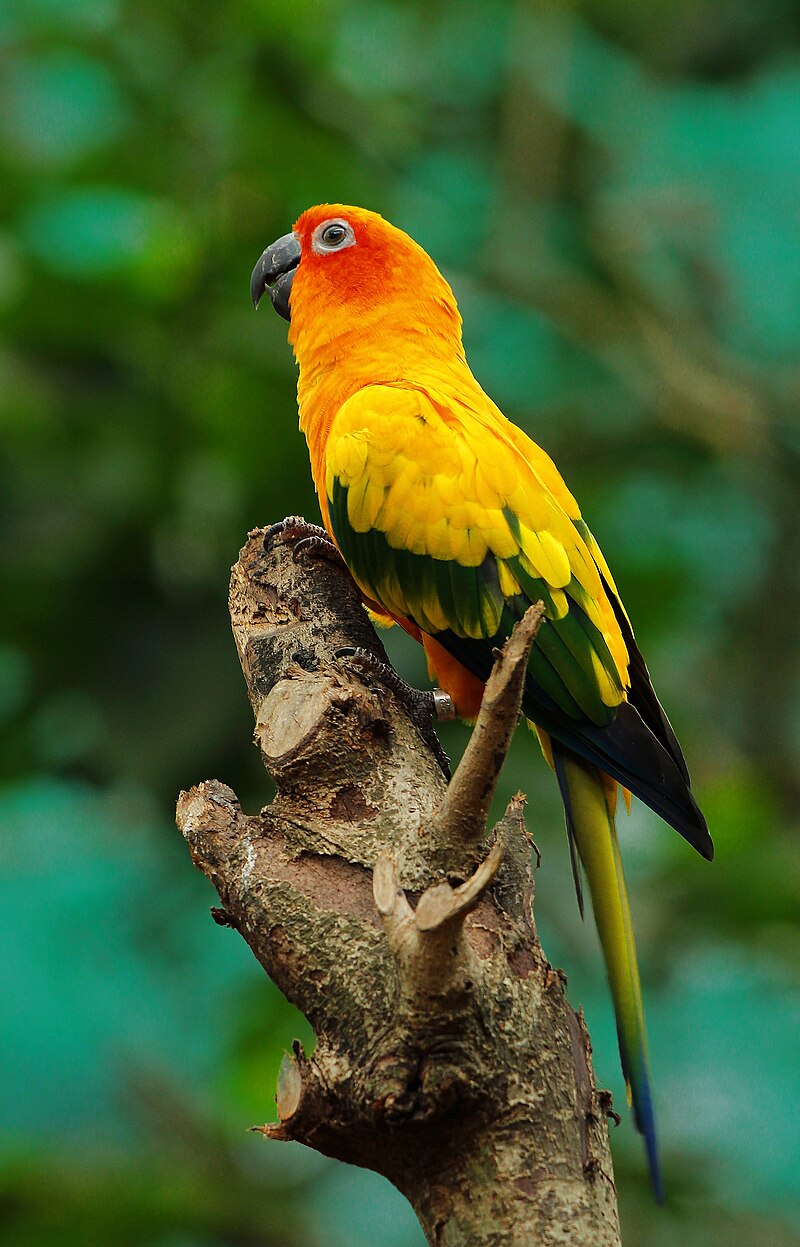
Quick Facts
| Attribute | Details |
|---|---|
| Scientific Name | Aratinga, Pyrrhura, and related genera |
| Origin | Central and South America |
| Size | Small to Medium (9-20 inches, 60-280 grams) |
| Lifespan | 20-30+ years |
| Noise Level | Moderate to High (varies by species) |
| Talking Ability | Limited (can learn some words) |
| Diet | Pellets, vegetables, fruits, seeds |
| Care Level | Beginner to Intermediate |
| Space Requirements | Minimum 24x24x24 inch cage |
Recommended for Conures
Harrison's Bird Foods - Certified organic pellets | Lafeber - Nutri-berries conures love | Kaytee - Conure-specific nutrition
Conure Overview
Conures are playful, affectionate parrots often described as having "big bird personality in a small body." These colorful birds have earned the nickname "clowns of the parrot world" for their playful antics, acrobatic abilities, and endless entertainment value.
With over 40 species ranging from the quiet Green-Cheeked Conure to the boisterous Sun Conure, there's a conure to suit various lifestyles. Their moderate size, engaging personalities, and strong bonding abilities make them popular choices for both new and experienced bird owners.
The Conure represents one of the most fascinating birds available in aviculture, combining striking physical characteristics with a behavioral complexity that rewards attentive ownership. With a potential lifespan of 20-30+ years, committing to a Conure is a decision that can span a significant portion of an owner's life. This species has evolved in specific ecological niches that have shaped everything from their dietary requirements to their social structure, and understanding these evolutionary foundations is essential for providing care that goes beyond mere survival to support genuine thriving.
Behaviorally, Conure exhibit a range of social and cognitive capabilities that continue to impress researchers and experienced keepers alike. Their well-balanced nature manifests in specific ways—from complex vocalizations and social bonding behaviors to problem-solving abilities and emotional responses that are increasingly well-documented in avian behavioral science. These birds form strong attachments to their human caregivers and can experience genuine distress when their social needs are not met. This means that owning a Conure is not simply about providing physical necessities like food and shelter, but about establishing a relationship that includes regular interaction, mental stimulation, and respectful handling.
The physical environment you create for your Conure has a direct and measurable impact on their quality of life. The cage or aviary should be sized generously—larger is almost always better, as these birds need space for wing stretching, climbing, and play. Beyond cage dimensions, environmental factors such as lighting quality (including access to full-spectrum or natural light), ambient temperature stability, air quality, and noise levels all influence your Conure's physical health and emotional state. Many experienced Conure owners report that investing in the highest quality cage or aviary and environmental controls they can afford pays dividends in reduced veterinary costs and improved behavioral outcomes over the bird's lifetime.
Natural Habitat & Origin
Conures are native to the Americas: Understanding how this applies specifically to Conure helps you avoid common pitfalls.
- Geographic Range: Mexico through Central America to South America
- Habitat Types: Forests, woodlands, savannas, and agricultural areas
- Wild Behavior: Social flock birds; often seen in groups of 20-30
- Conservation: Some species common; others threatened by habitat loss
Popular Conure Species
The Conure care item most frequently postponed is the same one whose effects compound most steadily — it deserves a place on the current list, not the later list.
Quieter Species (Pyrrhura)
- Green-Cheeked Conure: Most popular; quieter, playful, cuddly (10 inches)
- Black-Capped Conure: Sweet, gentle, good for beginners (10 inches)
- Crimson-Bellied Conure: Stunning colors; relatively quiet (10 inches)
- Maroon-Bellied Conure: Calm; good apartment bird (10 inches)
Louder Species (Aratinga)
- Sun Conure: Stunning yellow/orange; VERY loud (12 inches)
- Jenday Conure: Similar to Sun; colorful and loud (12 inches)
- Nanday Conure: Distinctive black head; loud contact calls (12 inches)
- Blue-Crowned Conure: Good talker for a conure; moderately loud (15 inches)
- Patagonian Conure: Largest conure; loud but affectionate (18-20 inches)
Temperament & Personality
Conures are known for their engaging, affectionate natures: Your avian veterinarian and experienced Conure owners can offer perspective tailored to your situation.
- Playful & Acrobatic: Love to hang, swing, and perform tricks
- Cuddly: Many enjoy snuggling in shirt pockets or under hair
- Social: Thrive on interaction; can become nippy if ignored
- Fearless: Bold personalities that aren't intimidated by larger pets
- Mischievous: Enjoy exploring and getting into things
- Loyal: Form strong bonds with their favorite people
The personality of a Conure is one of its most captivating qualities, but it also represents one of the greatest responsibilities of ownership. These birds are not background pets—they are socially complex individuals that form deep attachments, experience boredom and frustration, and require consistent mental engagement to maintain psychological health. A well-socialized Conure with a well-balanced disposition will seek out interaction, respond to training, and develop what many owners describe as a genuine two-way relationship. However, this social sophistication also means that neglected or understimulated Conure are highly susceptible to behavioral problems including feather destructive behavior, excessive vocalization, and aggression.
Understanding the social dynamics of Conure is crucial for multi-bird households and for managing the human-bird bond. These birds can develop strong preferences for specific family members, sometimes to the point of displaying protective or jealous behaviors toward others. This is not random—it reflects the species' natural pair-bonding and flock hierarchy instincts being expressed within the domestic environment. Managing these dynamics requires consistent behavior protocols across all family members, ensuring that the Conure receives positive socialization from multiple people rather than becoming exclusively bonded to a single individual. This broader social foundation produces a more well-adjusted, adaptable bird.
Vocalization patterns in Conure serve multiple functions and should be understood rather than simply tolerated or suppressed. Morning and evening contact calls are natural flock communication behaviors that serve an important psychological function. Alarm calls indicate genuine perceived threats. Repetitive or excessive vocalization, on the other hand, often signals boredom, anxiety, or learned attention-seeking behavior. Distinguishing between these vocalization types—and responding appropriately to each—is a skill that develops over time and is essential for maintaining a harmonious household. Many successful Conure owners establish daily routines that include designated interaction times, which helps the bird anticipate social engagement and reduces anxiety-driven vocalization.
Housing Requirements
Conures need adequate space for their active nature.
- Cage Size: Minimum 24x24x24 inches; longer cages preferred for flight
- Bar Spacing: 5/8 to 3/4 inch maximum
- Perches: Multiple natural wood perches of varying sizes
- Toys: Abundant toys; conures love to chew and shred
- Sleep Tent: Many conures appreciate a cozy sleeping hut
- Location: Central family area; they want to be part of activities
Diet & Nutrition
A varied diet keeps conures healthy: When in doubt, choose the guidance that names the Conure explicitly over the guidance that treats all pets alike.
- Pellets: Should comprise 50-60% of diet
- Fresh Vegetables: 30% of diet; leafy greens, peppers, carrots
- Fresh Fruits: 10% of diet; berries, apples, grapes
- Seeds: Limited treats; higher fat content
- Sprouted Seeds: Excellent nutrition and foraging enrichment
- Avoid: Avocado, chocolate, caffeine, alcohol, onions
Top Food Choices for Conures
Harrison's Bird Foods - Organic fine or superfine pellets | Lafeber Nutri-Berries - Foraging nutrition | Kaytee Exact - Conure daily diet
When a Conure's diet shifts in any meaningful way, a pre-emptive note to the avian veterinarian is a cheap safety net.
Health Issues
Conures can be prone to certain health conditions.
Common Health Concerns
- Proventricular Dilatation Disease (PDD): Serious viral condition
- Psittacine Beak and Feather Disease (PBFD): Viral disease affecting feathers
- Chlamydiosis (Psittacosis): Bacterial infection; zoonotic
- Aspergillosis: Fungal respiratory infection
- Conure Bleeding Syndrome: Vitamin K deficiency; potentially fatal
Behavioral Concerns
- Biting: Can develop nippy habits, especially during hormonal periods
- Screaming: Some species develop excessive screaming habits
- Feather Picking: Less common than in larger parrots but can occur
Conure Bleeding Syndrome Warning
Conures, especially Green-Cheeked and related species, can develop Conure Bleeding Syndrome - a vitamin K deficiency causing spontaneous bleeding. Ensure diet includes vitamin K-rich foods (dark leafy greens, broccoli) and discuss supplementation with your avian vet. Seek immediate veterinary care if you notice unexplained bleeding.
Avian health management for Conure requires a proactive approach built on understanding that birds, like all prey species, instinctively conceal signs of illness until they can no longer compensate. By the time a Conure displays obvious symptoms such as fluffed feathers, tail bobbing, or sitting on the cage bottom, the underlying condition may already be advanced. This makes routine preventive care, regular wellness examinations with an avian veterinarian, and attentive daily observation essential components of responsible Conure ownership.
Nutritional health is one of the most significant and controllable factors influencing your Conure's long-term wellbeing. Seed-only diets, once standard in aviculture, are now understood to be nutritionally incomplete and are associated with fatty liver disease, vitamin A deficiency, calcium deficiency, and obesity—conditions that collectively represent the most common preventable health problems in captive birds. A complete diet for Conure should center on high-quality formulated pellets (comprising 60-70% of intake) supplemented with fresh vegetables, appropriate fruits, and species-specific treats. Transitioning a seed-addicted Conure to a balanced diet requires patience and creativity, but the health benefits are substantial and well-documented.
Environmental health factors play a larger role in Conure health than many owners realize. Air quality is critically important—birds have exceptionally efficient respiratory systems that make them highly sensitive to airborne toxins including non-stick cookware fumes (PTFE/Teflon), aerosol sprays, scented candles, air fresheners, and cigarette smoke. These substances can cause acute respiratory distress and death in birds at concentrations that produce no symptoms in humans or other pets. Temperature stability, appropriate humidity, and access to natural or full-spectrum lighting also contribute to immune function, feather quality, and behavioral health. Creating a safe, controlled environment for your Conure is as important as diet and veterinary care in maintaining long-term health.
Training & Socialization
Conures are eager learners: A care plan fitted to this particular Conure almost always produces better behavior and better health markers.
- Early Handling: Frequent gentle handling builds trust
- Positive Reinforcement: Food rewards work excellently
- Trick Training: Conures excel at tricks - wave, spin, fetch, basketball
- Target Training: Great foundation for other behaviors
- Bite Prevention: Redirect nippy behavior; never react with excitement
- Socialization: Expose to various people to prevent one-person bonding
Noise & Vocalization
Noise levels vary significantly by species: The trade-off is simple: a few hours reading about Conure behavior now versus larger bills and stress later.
- Quieter Species: Green-Cheeked, Black-Capped - moderate chirping
- Louder Species: Sun, Jenday, Nanday - piercing screams
- Contact Calls: All conures call when separated from their flock
- Talking: Limited vocabulary; some learn a few words
- Apartment Suitability: Pyrrhura species often acceptable; Aratinga usually not
Compatibility with Families & Other Pets
Conures can make wonderful family birds.
- Children: Good with supervised older children; may nip toddlers
- Multiple Handlers: Benefit from interaction with whole family
- Other Conures: Often bond well with other conures
- Other Birds: Can coexist with similar-sized birds; supervise
- Cats & Dogs: Require supervision; conures may be too bold for their safety
Conures Are Great For:
- First-time bird owners (especially quieter species)
- Families with older children
- Those wanting an interactive, playful pet
- People who enjoy training and tricks
- Owners who can provide daily interaction
- Those committed to 20-30+ years of care
Conures May Not Be Ideal For:
- Apartment dwellers (loud species like Sun Conures)
- Those seeking a quiet pet
- People away from home for long hours
- Those who cannot tolerate occasional nipping
- Owners wanting an excellent talker
Bringing any bird into your home is a long-term commitment, and the Conure is no exception. Before signing papers or putting down a deposit, make sure the people you live with are equally on board. A Conure thrives in a household where everyone participates in care, not just the person who wanted one. Shared responsibility makes the experience better for the bird and the family alike.
People who live with a Conure tend to develop a deep appreciation for the breed's personality — its distinct character becomes part of the household's rhythm. That bond does not happen overnight, but it builds steadily when care is consistent and expectations are grounded.
Cost of Ownership
Planning ahead financially is one of the most practical things you can do before getting a Conure. Account for the predictable costs, set aside money for the unpredictable ones, and avoid the trap of thinking you will figure it out as you go. Conure care costs are real and ongoing.
Most new Conure owners are surprised by first-year costs. The initial setup — vet visits, vaccinations, supplies, and often training classes — can easily double the annual maintenance figure. The good news is that subsequent years are more predictable. Just keep in mind that senior Conures may need additional care as they enter the last few years of their 20-30+ years lifespan.
Think of preventive care as an insurance policy with a guaranteed payout. The cost of annual exams, vaccinations, and routine health monitoring is a known quantity you can budget for. The cost of treating a preventable disease is unpredictable and almost always higher. For Conure owners, staying on top of preventive care is one of the simplest ways to reduce lifetime veterinary expenses.
Related Species to Consider
If you're interested in Conures, you might also consider.
- Cockatiel - Similar size, gentler, good whistlers
- Lovebird - Smaller, similar feisty personality
- Caique - Similar playful energy, more expensive
- Quaker Parrot - Good talker, similar size
- Senegal Parrot - Calmer alternative
Ask Our AI About Conures
Get Personalized AI Guidance
Ask Our AI NowDecision Guides for Conure
Use these only when comparing food, insurance, ownership budget, or beginner fit for this specific pet.