African Clawed Frog
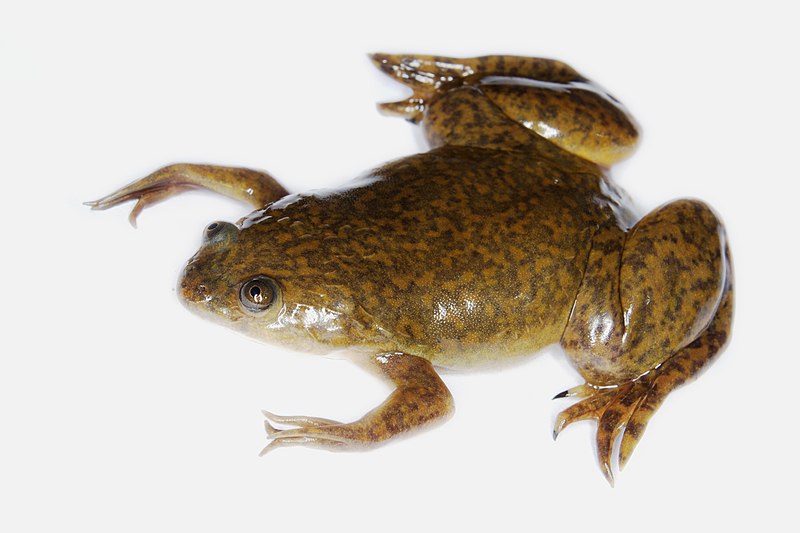
Quick Facts
| Attribute | Details |
|---|---|
| Scientific Classification | Amphibian |
| Size | Medium (4-5 in) |
| Lifespan | 15-30 years |
| Temperature | 68-77°F |
| Water Type | Aquatic |
| Enclosure | 10+ gallon aquatic tank |
| Care Level | Beginner |
| Diet | Sinking pellets, bloodworms, earthworms |
| Temperament | Hardy, Active swimmer |
| Origin | Sub-Saharan Africa |
| Habitat Type | Fully aquatic |
| Typical Cost | $5-$25 for animal; $100-$200 setup |
Recommended for African Clawed Frog Keepers
Zoo Med — Heating, lighting & habitat supplies | Exo Terra — Vivariums & terrarium accessories | Chewy — Amphibian food & supplies
African Clawed Frog Overview
The African Clawed Frog is a medium (4-5 in) amphibian originating from Sub-Saharan Africa. Known for being hardy, active swimmer, this species has captivated hobbyists and herpetology enthusiasts around the world. With a lifespan of 15-30 years, the African Clawed Frog represents a significant long-term commitment that prospective owners should consider carefully before acquiring.
As a beginner-level species, the African Clawed Frog is an excellent choice for newcomers to amphibian keeping, offering a forgiving and rewarding introduction to the hobby. Their natural habitat is fully aquatic, which informs the type of enclosure setup required for optimal health and wellbeing in captivity.
Completely aquatic frog with no tongue; uses front claws to shovel food into mouth
Caring for an African Clawed Frog is a long-term commitment that extends well beyond basic husbandry. With a lifespan that can reach 15-30 years under optimal conditions, prospective keepers should approach African Clawed Frog ownership as a multi-year or even multi-decade responsibility. This species has evolved in specific ecological niches, and replicating those conditions in captivity is the foundation of good care. The Beginner care level designation reflects the fact that African Clawed Frog require consistent attention to environmental parameters—temperature gradients, humidity levels, lighting cycles, and substrate conditions all play critical roles in their physical and behavioral health.
What sets experienced African Clawed Frog keepers apart from beginners is their understanding that these animals communicate through subtle behavioral cues rather than obvious vocalizations or body language. Changes in coloring, feeding response, basking patterns, and activity levels all provide diagnostic information about the animal's wellbeing. A African Clawed Frog that consistently avoids its appropriate thermal and humidity range, for instance, may be signaling early illness rather than simple preference. Similarly, changes in defecation frequency, consistency, or timing can indicate digestive or parasitic issues long before other symptoms become apparent. Learning to read these signals is arguably the most important skill an African Clawed Frog keeper can develop.
The vivarium environment for African Clawed Frog should be designed with both physical and psychological needs in mind. This means not only providing the correct temperature gradient and humidity range, but also incorporating appropriate hides, climbing structures, and visual barriers that allow the animal to express natural behaviors. Enrichment is not a luxury for African Clawed Frog—it is a fundamental requirement that reduces stress, promotes normal activity patterns, and supports long-term health. Keepers who design their enclosures based on the animal's natural history rather than aesthetic preferences consistently report better feeding responses, more natural behaviors, and fewer health issues over time.
Temperament & Behavior
The African Clawed Frog is characterized as hardy, active swimmer. Understanding their natural behaviors is essential for providing appropriate care and setting realistic expectations as an owner.
- Activity pattern: Active at various times, often becoming more animated during feeding and during dawn/dusk periods.
- Handling tolerance: As an aquatic species, handling should be minimized. When necessary, use wet hands or aquarium-safe nets. Amphibian skin absorbs chemicals from human hands.
- Social behavior: Can be housed individually or in small groups with adequate space and resources for each animal.
- Feeding response: Typically accepts food readily once established. New arrivals may need a few days to settle in before feeding.
The behavioral patterns of African Clawed Frog in captivity reflect a complex interplay between innate responses and environmental conditions. Unlike mammals, amphibians communicate primarily through body posture, color changes, movement patterns, and subtle physiological signals rather than vocalizations. Learning to interpret these signals is essential for any African Clawed Frog keeper who wants to provide truly responsive care. A African Clawed Frog that flattens its body, changes color, or alters its activity pattern is communicating something specific about its comfort level, and keepers who learn this language can anticipate and prevent problems before they escalate.
With African Clawed Frog, husbandry precision matters more than gadget quantity: stable environment, species-appropriate diet, and calm handling drive health outcomes.
African Clawed Frog thrives when thermal gradient, humidity control, and enclosure hygiene are managed as a system, not as isolated checklist items.
Size & Physical Characteristics
Adult African Clawed Frogs reach medium (4-5 in), though size can vary based on sex, diet quality, and genetic lineage. Their physical appearance reflects adaptations to their natural habitat and lifestyle.
Juveniles are typically smaller and may display different coloration or patterns than adults. Growth rate depends on feeding frequency, temperature, and overall care quality. Expect most growth to occur during the first 1-2 years of life, with growth slowing significantly after reaching adult size.
Lifespan & Longevity
African Clawed Frogs typically live 15-30 years in captivity when provided with proper care. Key factors influencing lifespan include.
- Water/habitat quality: The single most important factor. Clean, properly conditioned water and appropriate humidity prevent the majority of health problems that shorten amphibian lives.
- Temperature stability: Maintaining 68-77°F consistently, without rapid fluctuations, reduces stress and supports immune function.
- Diet quality: A varied diet with proper supplementation (calcium and vitamins) supports long-term health. Gut-loading feeder insects dramatically improves nutritional value.
- Stress reduction: Proper enclosure design with adequate hiding spots, appropriate lighting, and minimal disturbance promotes longevity.
- Preventive care: Quarantining new animals, maintaining clean conditions, and monitoring for early signs of illness all contribute to maximum lifespan.
Diet & Nutrition
Proper nutrition is foundational to African Clawed Frog health. Their primary diet consists of sinking pellets, bloodworms, earthworms.
Feeding Guidelines
- Primary foods: Sinking pellets, bloodworms, earthworms. Offer variety to ensure complete nutrition.
- Feeding frequency: Feed every 2-3 days for juveniles, 2-3 times weekly for adults. Adjust based on body condition.
- Portion size: Offer only what can be consumed in 10-15 minutes. Remove uneaten food to prevent water contamination.
- Supplementation: Aquatic amphibians typically get adequate vitamins from a varied diet of quality foods. Occasionally supplement with vitamin-enriched foods.
- Hydration: Aquatic species obtain water directly from their environment. Maintain clean, dechlorinated water at all times.
Feeding Safety
Never feed wild-caught insects, as they may carry pesticides or parasites. Always use captive-bred feeder insects from reputable suppliers. Avoid feeding insects larger than the width between your African Clawed Frog's eyes to prevent choking and impaction.
African Clawed Frog Food & Supplements
Chewy — Frozen bloodworms, pellets & feeder insects | Zoo Med ReptiCalcium — Calcium with D3 supplement | Oxbow — Premium small animal nutrition
Nutrition for African Clawed Frog is inseparable from the broader environmental context in which feeding occurs. Unlike mammalian pets that maintain their own body temperature and can digest food effectively in a wide range of conditions, amphibians depend on external heat sources for the metabolic processes that drive digestion. Feeding your African Clawed Frog without ensuring access to appropriate post-feeding temperatures can result in food decomposing in the digestive tract rather than being properly processed—a potentially serious and even life-threatening situation. This interdependence between nutrition and environmental management is one of the key concepts that separates experienced amphibian keepers from beginners.
Supplementation protocols for African Clawed Frog address nutritional gaps that are nearly impossible to fill through diet alone in captive conditions. Calcium supplementation, often with vitamin D3, is particularly critical for preventing metabolic bone disease—one of the most common and preventable health conditions in captive amphibians. The specific supplementation schedule depends on the species, age, reproductive status, and UVB exposure of your individual African Clawed Frog. Multivitamin supplements are typically provided less frequently to avoid hypervitaminosis. Working with a knowledgeable herp veterinarian to establish a supplementation protocol tailored to your specific animal and husbandry setup is strongly recommended, as both under-supplementation and over-supplementation carry health risks.
Housing & Habitat Requirements
A African Clawed Frog tends to reveal the payoff of this kind of attention gradually, rather than in a single dramatic moment.
Enclosure Size & Type
- Minimum size: 10+ gallon aquatic tank
- Recommended: Larger is always better. More space provides greater environmental stability and allows for more natural behaviors.
- Type: Glass aquarium with secure mesh or solid lid. Fully aquatic species need appropriate water depth and filtration.
- Security: Amphibians are surprisingly good escape artists. Ensure all openings are secured with no gaps larger than the animal's head.
Environmental Parameters
- Temperature: 68-77°F. Use a reliable digital thermometer to monitor. A low-wattage heat mat on a thermostat can maintain appropriate temperatures. Avoid heat lamps that can dehydrate amphibians.
- Humidity: Aquatic. Maintain clean, dechlorinated water. Use a quality filter and perform regular water changes (20-30% weekly).
- Lighting: Standard aquarium lighting on a 12-hour cycle. Avoid direct sunlight which can overheat the water.
- Substrate: Large smooth river rocks, bare bottom, or fine sand. Avoid gravel small enough to be ingested.
- Decor: Smooth rocks, driftwood, live or silk plants, and PVC pipe hides. Avoid sharp decorations that can damage delicate skin.
African Clawed Frog Habitat Essentials
Exo Terra — Aquatic habitat accessories | Zoo Med — Thermostats, hygrometers & substrates | Chewy — Terrariums & aquatic supplies
Common Health Concerns
Understanding potential health issues helps African Clawed Frog owners recognize problems early when treatment is most effective. The most common health concerns include.
- Bacterial infections: Bacterial infections (red leg). Monitor closely and consult an exotic veterinarian if symptoms persist.
- bloating/dropsy: bloating/dropsy. Monitor closely and consult an exotic veterinarian if symptoms persist.
- fungal skin infections: fungal skin infections. Monitor closely and consult an exotic veterinarian if symptoms persist.
- obesity: obesity from overfeeding. Monitor closely and consult an exotic veterinarian if symptoms persist.
- Chytrid fungus: Chytrid fungus. Monitor closely and consult an exotic veterinarian if symptoms persist.
When to See an Exotic Vet Immediately
Seek veterinary care if your African Clawed Frog shows: lethargy lasting more than 48 hours, refusal to eat for more than one week, visible skin lesions or discoloration, abnormal swelling or bloating, difficulty breathing or gasping, loss of coordination, or rapid weight loss. Amphibians hide illness instinctively, so visible symptoms often indicate the condition has progressed significantly.
Health management for African Clawed Frog requires a fundamentally different approach than for mammalian pets. These amphibians are masters at concealing illness—an evolutionary adaptation that prevents them from appearing vulnerable to predators. By the time an African Clawed Frog displays obvious signs of illness such as lethargy, loss of appetite, or visible physical changes, the underlying condition may already be advanced. This makes preventive care and early detection through subtle behavioral observation absolutely critical for African Clawed Frog keepers.
Finding an experienced herp veterinarian should be a priority before you bring your African Clawed Frog home, not something you scramble to arrange during an emergency. Not all veterinarians are trained in amphibian medicine, and the diagnostic and treatment approaches differ significantly from mammalian veterinary care. An initial wellness examination shortly after acquisition establishes a health baseline and screens for common conditions including parasites, nutritional deficiencies, and respiratory issues. Annual wellness checks are recommended for healthy African Clawed Frog, with more frequent visits for aging animals or those with known health conditions. Building a relationship with a knowledgeable herp veterinarian gives you access to expert guidance for the routine questions and concerns that arise over the course of African Clawed Frog's 15-30 years lifespan.
The budget earns its keep on fundamentals: heating, correct diet, enclosure quality. Non-essentials can wait until those are solid.
Grooming & Maintenance
- Enclosure cleaning: Perform 20-30% water changes weekly using dechlorinated water at the same temperature. Clean filter media monthly (rinse in old tank water, never tap water). Remove waste and uneaten food daily.
- Water quality: Test water parameters weekly: ammonia and nitrite should always be 0 ppm, nitrate under 20 ppm. Use a quality dechlorinator for all water additions.
- Shedding: Amphibians shed their skin regularly (often eating the shed skin). Ensure proper humidity to facilitate clean shedding. Retained shed can indicate dehydration or skin infection.
Exercise & Enrichment
- Natural behaviors: Provide an environment that allows swimming freely, exploring tank furnishings, and interacting with water current.
- Feeding enrichment: Rather than always placing food in the same spot, vary feeding locations to encourage natural foraging and hunting behaviors.
- Environmental complexity: A well-furnished enclosure with multiple hides, climbing surfaces, and varied terrain provides ongoing mental stimulation.
- Live plants: Live aquatic plants improve water quality, provide shelter, and create a more natural, stimulating environment.
Cost Overview
Understanding the full cost of African Clawed Frog ownership helps ensure you can provide proper care throughout the animal's life.
| Expense Category | Estimated Cost |
|---|---|
| Animal Purchase | $5-$25 for animal |
| Enclosure & Setup | $100-$200 setup |
| Food (annual) | $100-$300 |
| Supplies & Maintenance (annual) | $50-$150 |
| Veterinary Care (annual) | $50-$200 (exotic vet) |
| Total First Year | $250-$900+ |
| Annual Ongoing Cost | $200-$650 |
Temperature, humidity, and cleanliness work as a three-way system; isolated tweaks rarely produce stable results.
Veterinary costs for African Clawed Frog require special financial preparation because herp veterinarian visits are typically more expensive per visit than standard companion animal care. Fewer veterinarians specialize in amphibian medicine, which means specialists can command higher fees, and diagnostic procedures may require specialized equipment. An initial wellness examination and annual check-ups should be budgeted as baseline expenses, with additional reserves for unexpected illness or injury. Many African Clawed Frog owners find that setting aside a small monthly amount in a dedicated savings fund provides peace of mind and ensures that financial constraints never delay necessary medical care.
Strong African Clawed Frog care plans prioritize enclosure conditions, stress reduction, and scheduled health observation instead of generic mammal care routines.
Insurance Considerations
Exotic pet insurance is available from select providers and can help cover unexpected veterinary costs for amphibians. While not as widely available as dog and cat insurance, some providers now offer coverage for reptiles and amphibians. Consider insurance especially if exotic veterinary care in your area is expensive or if your species is prone to health issues that may require professional treatment.
Protect Your African Clawed Frog
Spot Insurance — Exotic pet coverage options | Lemonade Pet — Affordable pet insurance plans
African Clawed Frog Questions Owners Ask
Knowing how this works in a African Clawed Frog context removes a lot of the guesswork from day-to-day decisions. Count on a short adjustment period, a African Clawed Frog tends to signal clearly when something fits and when it does not.
How long do African Clawed Frogs live?
African Clawed Frogs typically live 15-30 years in captivity with proper care. Lifespan depends heavily on water quality, temperature stability, diet variety, and stress levels. Providing optimal husbandry conditions is the most important factor in achieving maximum lifespan. Regular health monitoring and prompt treatment of illness also contribute significantly to longevity.
What do African Clawed Frogs eat?
African Clawed Frogs eat sinking pellets, bloodworms, earthworms. Variety is essential for balanced nutrition. Most amphibians benefit from gut-loaded insects (fed nutritious food 24 hours before offering to your pet) and calcium/vitamin D3 dusting on feeder items at every other feeding for juveniles and twice weekly for adults. Overfeeding is a common problem that leads to obesity and related health issues.
Are African Clawed Frogs good pets for beginners?
African Clawed Frogs are rated as beginner-level pets. They are an excellent choice for first-time amphibian keepers due to their hardiness and relatively straightforward care requirements. However, all amphibians require commitment to maintaining proper water quality and environmental conditions.
What size enclosure does an African Clawed Frog need?
African Clawed Frogs require a minimum of 10+ gallon aquatic tank. Larger enclosures are always better as they provide more stable environmental conditions and allow for more natural behaviors. Water depth, filtration capacity, and surface area for gas exchange are more important than raw volume. A quality filter rated for at least twice your tank size is recommended.
What temperature do African Clawed Frogs need?
African Clawed Frogs require temperatures of 68-77°F. A reliable thermometer (digital probe type recommended) should be used to monitor temperatures. Avoid placing enclosures near windows, heating vents, or other sources of temperature fluctuation. Consistent temperatures within the recommended range are more important than hitting exact numbers.
Is an African Clawed Frog Right for You?
African Clawed Frog-aware routines catch issues earlier, respond faster, and prevent more than generic ones.
African Clawed Frog May Be Great For:
- Keepers with appropriate experience and dedication
- Those who can commit to long-term care requirements
- Enthusiasts interested in this species's unique characteristics
African Clawed Frog May Not Be Ideal For:
- Those seeking a very low-maintenance pet
- Keepers who cannot commit to consistent humidity control, water quality, and substrate maintenance
- Those with limited space or budget for proper setup
Talk to experienced African Clawed Frog keepers before making your decision. They will give you the unfiltered version of what daily care actually looks like — the parts that are enjoyable and the parts that are tedious. If both sound acceptable to you, you are probably ready.
The learning curve is real but manageable for anyone willing to do the research. Most long-term African Clawed Frog owners say the hobby gets easier and more rewarding with experience.
Related Species & Guides
Axolotl
20+ gallon aquatic tank care level • Medium (9-12 in)
African Dwarf Frog
5+ gallon aquatic tank care level • Small (1-2 in)
Pacman Frog (Ceratophrys)
10+ gallon terrestrial care level • Medium-Large (4-7 in)
Red-Eyed Tree Frog
18x18x24 in tall vivarium care level • Small (2-3 in)
Ask Our AI About African Clawed Frogs
Have specific questions about African Clawed Frog care, habitat setup, or health concerns? Our AI assistant provides personalized guidance based on your specific situation.
Decision Guides for African Clawed Frog
Use these only when comparing food, insurance, ownership budget, or beginner fit for this specific pet.