Amphibian Species Guides
Browse our complete collection of amphibian care guides covering frogs, toads, salamanders, and newts. Each guide provides detailed information on habitat setup, diet, health, temperament, and costs.
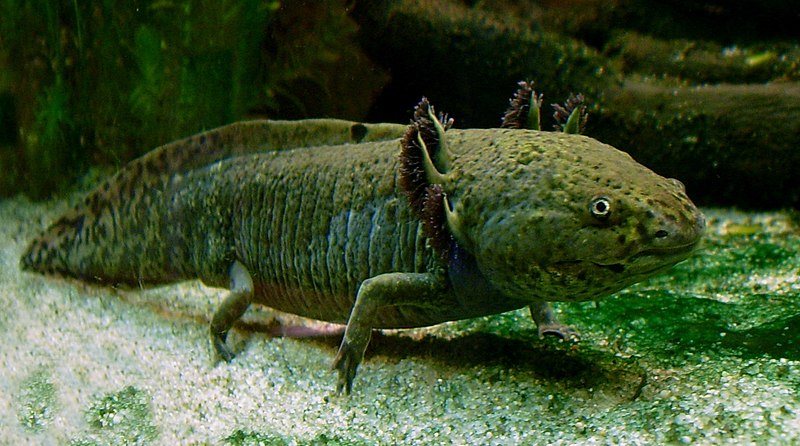
Amphibians make fascinating pets that bridge the gap between aquatic and terrestrial worlds. From the vibrant colors of poison dart frogs (safely captive-bred) to the endearing smile of axolotls, these creatures offer an unique window into one of nature's most diverse animal groups. Whether you're drawn to the low-maintenance care of tree frogs or the interactive nature of fire-bellied toads, our breed directory covers everything you need to know.
Choosing the Right Amphibian
Amphibian care looks simple from a distance — small tank, live bugs, mist the glass — but the margins are tight. Temperature, humidity, and water chemistry matter far more than they do with a mammal, and most losses come from getting one of those three wrong. Use the checklist below before buying:
- Habitat type: Some amphibians are fully aquatic (like axolotls), some are terrestrial (like toads), and others need both land and water (like fire-bellied newts)
- Humidity requirements: Most amphibians need 60-80% humidity, which means investing in misting systems or manual spraying schedules
- Temperature sensitivity: Amphibians are ectothermic and highly sensitive to temperature fluctuations — consistency is critical
- Handling tolerance: Most amphibians should be handled minimally, as oils and chemicals on human skin can be harmful to their permeable skin
- Diet: Most pet amphibians eat live insects (crickets, fruit flies, worms) dusted with calcium and vitamin supplements
- Lifespan: Pet amphibians can live 5-20+ years depending on species, so plan for a long-term commitment
Popular Amphibian Species for Beginners
If you're new to amphibian keeping, these species are well-suited for beginners: White's Tree Frog (docile and hardy), Pacman Frog (easy to feed and house), Fire-Bellied Toad (colorful and active), and the Axolotl (fully aquatic and endlessly fascinating). Each species in our directory below includes detailed care requirements, health information, and habitat setup guides.
Frogs & Toads
Axolotl
Unique aquatic salamander that retains larval features. 10-15 year lifespan. Intermediate care.
AquaticPacman Frog
Ambush predator with enormous mouth. Hardy beginner species. 6-10 years.
TerrestrialRed-Eyed Tree Frog
Iconic tropical frog with vivid red eyes. Arboreal nocturnal species. 5-10 years.
ArborealWhite's Tree Frog
Docile, handleable frog with charming personality. Beginner-friendly. 16-20 years.
ArborealAmerican Green Tree Frog
Vocal native frog with bright green coloring. Great display animal. 6-10 years.
ArborealTomato Frog
Bright red Madagascar native. Sedentary and beginner-friendly. 6-8 years.
TerrestrialAfrican Clawed Frog
Fully aquatic frog, extremely hardy. Can live 15-30 years. Beginner.
AquaticAfrican Dwarf Frog
Tiny aquatic frog perfect for community tanks. 5-10 years. Beginner.
AquaticDart Frog
Vibrantly colored, diurnal display frog. Bioactive vivarium. 10-15 years. Advanced.
VivariumFire-Bellied Toad
Active, colorful semi-aquatic toad. Hardy beginner species. 10-15 years.
Semi-aquaticGray Tree Frog
Color-changing native frog. Vocal and hardy. 7-10 years. Beginner.
ArborealAmerican Bullfrog
Largest North American frog. Voracious predator. 7-10 years. Intermediate.
Semi-aquaticBudgett's Frog
Bizarre flat appearance, loud screaming call. 15-20 years. Intermediate.
AquaticSurinam Toad
Completely flat aquatic toad with unique reproduction. 7-10 years. Advanced.
AquaticSpring Peeper
Tiny woodland frog with iconic spring chorus. 3-4 years. Advanced.
Semi-arborealPoison Dart Frog
Brightly colored advanced amphibian. Toxic in the wild, safe captive-bred. 10-15 years.
VivariumGreen Tree Frog
Popular beginner frog with bright green coloring. Hardy and easy to care for. 6-10 years.
ArborealSalamanders & Newts
Planning for a amphibian tends to focus on the obvious topics; this one rewards attention that few owners give it. Take the time to learn what your individual amphibian needs — the investment pays off throughout their life.
Tiger Salamander
Large, personable terrestrial salamander. Hardy beginner species. 10-16 years.
TerrestrialFire Salamander
Striking black and yellow patterns. Cool-temperature species. 10-20 years.
TerrestrialFire-Bellied Newt
Hardy semi-aquatic newt with warning coloration. Social. 10-15 years.
Semi-aquaticEastern Newt
Fascinating three-stage life cycle. Native to eastern US. 12-15 years.
Semi-aquaticChinese Fire Belly Newt
Hardy, social, forgiving of mistakes. Great for beginners. 10-15 years.
Semi-aquaticQuestions About Amphibian Care?
Our AI assistant has specialized knowledge about frogs, toads, salamanders, and newts. Get personalized guidance for your specific amphibian.