Senior Pet Nutrition Guide
As our beloved pets age, their nutritional needs change significantly. Proper nutrition is one of the most powerful tools we have to support our senior pets' health, manage chronic conditions, and improve their quality of life. Whether you have an aging dog, cat, rabbit, or other companion animal, understanding how to adjust their diet can add years of comfort and vitality to their lives. This comprehensive guide covers everything you need to know about feeding your senior pet.
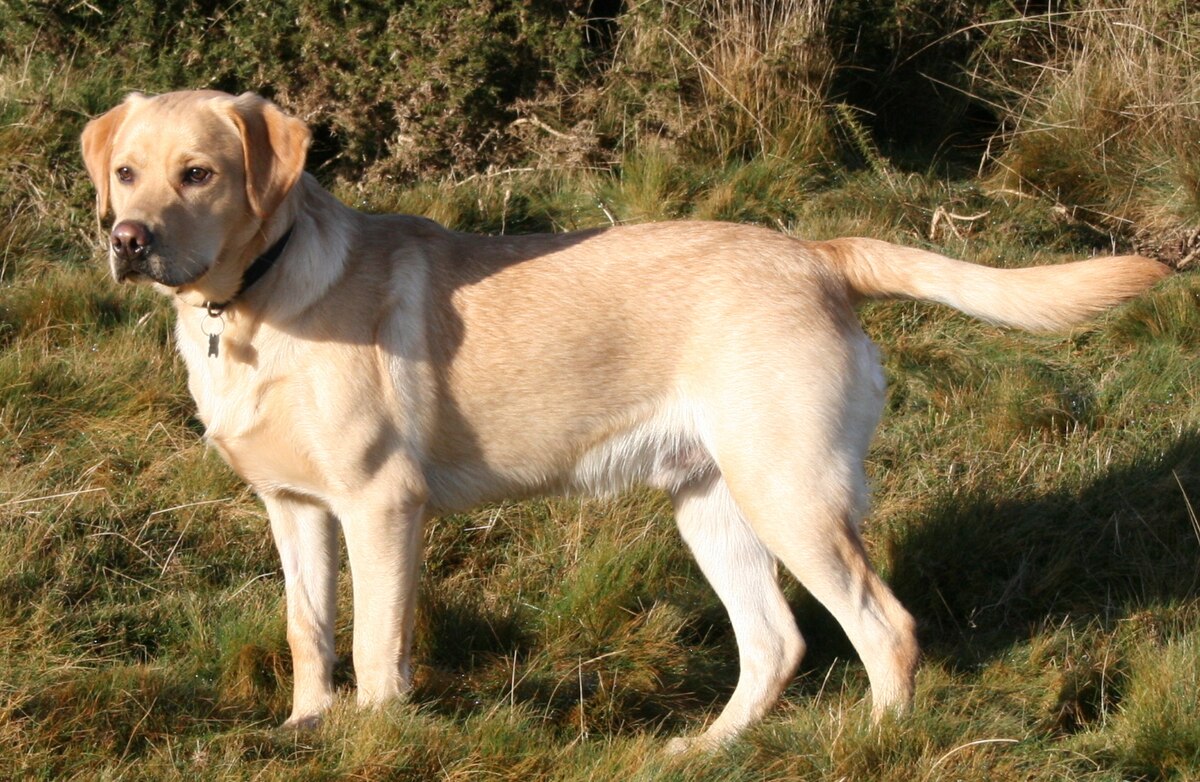
Overview: Why Senior Pet Nutrition Matters
Aging affects every system in your pet's body — from metabolism and digestion to organ function and immune response. The food your pet ate comfortably at age three may no longer be appropriate at age ten. Senior pets face an unique set of nutritional challenges.
- Slower metabolism — Calorie needs decrease as activity levels drop, increasing the risk of obesity
- Reduced digestive efficiency — Aging digestive systems absorb nutrients less effectively
- Organ changes — Kidneys, liver, and heart may require dietary accommodations
- Muscle loss — Sarcopenia (age-related muscle wasting) requires adequate protein intake
- Joint deterioration — Arthritis and joint stiffness benefit from anti-inflammatory nutrients
- Immune decline — Antioxidants and proper nutrition help support a weakening immune system
- Dental issues — Tooth loss or gum disease may require food texture changes
Regular veterinary checkups become even more important for senior pets, as bloodwork and physical exams can reveal nutritional deficiencies or health conditions that require dietary adjustments before visible symptoms appear.
When Is a Pet Considered "Senior"?
The age at which a pet is considered senior varies significantly by species, breed, and body size. Understanding when your pet enters their senior years helps you plan proactive dietary changes.
Dogs
- Small breeds (under 20 lbs) — Senior at 10–12 years (Chihuahuas, Yorkies, Dachshunds)
- Medium breeds (20–50 lbs) — Senior at 8–10 years (Beagles, Bulldogs, Cocker Spaniels)
- Large breeds (50–90 lbs) — Senior at 6–8 years (Labrador Retrievers, Golden Retrievers, German Shepherds)
- Giant breeds (over 90 lbs) — Senior at 5–6 years (Great Danes, Mastiffs, Saint Bernards)
Cats
- Mature — 7–10 years old
- Senior — 11–14 years old
- Geriatric — 15 years and older
Indoor cats tend to live longer than outdoor cats, and nutritional needs shift at each stage. Many veterinarians recommend beginning senior dietary adjustments around age 7–8 for cats.
Rabbits
- Small breeds — Senior at 6–8 years (Netherland Dwarfs, Mini Rex)
- Medium breeds — Senior at 5–7 years (Dutch, Mini Lop)
- Large breeds — Senior at 4–5 years (Flemish Giants, French Lops)
Other Pets
- Guinea pigs — Senior at 5–6 years (lifespan 5–8 years)
- Hamsters — Senior at 1.5–2 years (lifespan 2–3 years)
- Ferrets — Senior at 4–5 years (lifespan 6–10 years)
- Parrots — Varies widely; smaller species at 15–20 years, larger species may not be senior until 30–40 years
- Horses — Senior at 15–20 years (lifespan 25–30 years)
How Nutritional Needs Change With Age
Understanding the specific metabolic and physiological changes that occur in aging pets helps explain why dietary adjustments are necessary.
Metabolic Changes
- Decreased basal metabolic rate — Senior pets burn fewer calories at rest, often requiring 20–30% fewer calories than their younger selves
- Reduced lean muscle mass — Without adequate protein, muscle wasting accelerates
- Changes in fat distribution — Older pets tend to gain abdominal fat while losing muscle
- Altered glucose metabolism — Increased risk of diabetes, especially in overweight senior cats
Digestive Changes
- Decreased nutrient absorption — The intestinal lining becomes less efficient at extracting nutrients from food
- Reduced enzyme production — Lower levels of digestive enzymes may impair protein and fat digestion
- Slower gut motility — Increased risk of constipation and gastrointestinal discomfort
- Changes in gut microbiome — The beneficial bacteria balance shifts with age, affecting overall health
Organ Function Changes
- Kidney decline — Common in senior cats and dogs; may require phosphorus restriction and increased hydration
- Liver changes — Reduced detoxification capacity may affect how medications and supplements are processed
- Heart changes — Sodium restriction may be needed for pets with heart disease
- Cognitive decline — Certain nutrients (omega-3s, MCTs, antioxidants) may support brain health
Common Diet-Related Health Issues in Senior Pets
Many health problems that affect senior pets are directly influenced by nutrition. Recognizing these conditions early allows for dietary intervention that can slow progression and improve comfort.
Obesity
The most common nutritional problem in senior pets. Excess weight stresses joints, increases the risk of diabetes, heart disease, and cancer, and reduces lifespan. Studies show that maintaining a lean body weight can add an average of 1.8 years to a dog's life.
- Monitor body condition score regularly
- Reduce caloric intake by 20–30% when activity decreases
- Avoid high-calorie treats; switch to low-calorie options like green beans (dogs) or small pieces of cooked chicken
- Consider weight management formulas with L-carnitine to support fat metabolism
Chronic Kidney Disease (CKD)
Extremely common in senior cats (affecting up to 30% of cats over 15) and increasingly seen in older dogs. Dietary management is a cornerstone of CKD treatment.
- Controlled phosphorus levels to reduce kidney workload
- Moderate, high-quality protein (not low protein unless advanced disease)
- Increased omega-3 fatty acids to reduce kidney inflammation
- Enhanced hydration through wet food and water supplementation
- Potassium supplementation in cats as needed
Arthritis and Joint Disease
Affects the majority of senior dogs and many senior cats. Nutrition plays a significant supportive role.
- Maintaining ideal body weight reduces joint stress
- Omega-3 fatty acids (EPA and DHA) reduce joint inflammation
- Glucosamine and chondroitin support cartilage health
- Green-lipped mussel extract provides natural anti-inflammatory compounds
Dental Disease
Tooth loss, gum disease, and oral pain are common in senior pets and directly affect eating habits.
- Softened or wet food for pets with missing teeth or oral pain
- Smaller kibble sizes if dry food is still tolerated
- Dental diets formulated to reduce tartar buildup
- Regular dental checkups and professional cleanings
Cognitive Dysfunction Syndrome (CDS)
Similar to dementia in humans, CDS affects many senior dogs and cats. Nutritional support includes.
- Medium-chain triglycerides (MCTs) from coconut oil as alternative brain fuel
- Antioxidants (vitamins C and E, selenium, beta-carotene)
- DHA omega-3 fatty acids for brain cell membrane health
- B vitamins for neurological support
Protein and Calorie Adjustments for Senior Pets
One of the most debated topics in senior pet nutrition is how much protein and how many calories aging pets need. The answer depends on the species, individual health status, and any underlying conditions.
Protein Requirements
Senior Dogs
- Healthy senior dogs benefit from moderate to high-quality protein (at least 25% of calories from protein) to maintain muscle mass
- The outdated advice to restrict protein in all senior dogs has been revised; protein restriction is only necessary for dogs with confirmed kidney or liver disease
- Choose highly digestible protein sources: chicken, turkey, fish, eggs
- Avoid excessive protein if kidney values (BUN, creatinine) are elevated
Senior Cats
- Senior cats actually need more protein than younger cats because they become less efficient at digesting and utilizing it
- Aim for at least 40–50% of calories from high-quality animal protein
- Cats with CKD require careful protein management — not necessarily low protein, but controlled phosphorus
- Cats are obligate carnivores; plant-based proteins are not suitable substitutes
Senior Rabbits
- Senior rabbits generally do well maintaining their adult diet of unlimited timothy hay, moderate vegetables, and limited pellets
- Underweight senior rabbits may benefit from small amounts of alfalfa hay mixed with timothy for extra calories and protein
- Do not increase pellet portions significantly, as this can cause digestive problems
Calorie Adjustments
- Overweight seniors: Reduce calories by 15–25% through portion control and lower-calorie food formulas
- Healthy-weight seniors: Monitor closely; adjust as activity levels change
- Underweight seniors: Increase calorie density with healthy fats and energy-dense foods; investigate underlying health causes
- General rule: Feed for the ideal body condition, not by the pet's current weight
Important: Avoid Rapid Dietary Changes
Senior pets have more sensitive digestive systems. Any diet changes should be made gradually over 7–14 days, slowly increasing the proportion of new food while decreasing the old. Sudden changes can cause gastrointestinal upset, vomiting, or diarrhea, which can be particularly dangerous for older animals.
Supplements for Senior Pets
While a well-formulated senior diet should provide most essential nutrients, certain supplements can offer additional benefits. Always consult your veterinarian before adding supplements, as they can interact with medications or be harmful in certain health conditions.
Joint Support
- Glucosamine and chondroitin — The most widely recommended joint supplements; support cartilage repair and reduce inflammation
- Green-lipped mussel (GLM) — Contains natural glucosamine, chondroitin, and omega-3s; studies show benefit for arthritis in dogs
- MSM (methylsulfonylmethane) — May reduce joint pain and inflammation
- Adequan (polysulfated glycosaminoglycan) — Prescription injectable that protects joint cartilage; available through your vet
Omega-3 Fatty Acids
- Fish oil (EPA and DHA) — Reduces inflammation throughout the body, supports skin, coat, joints, brain, kidneys, and heart
- Especially beneficial for pets with arthritis, CKD, cognitive decline, or skin issues
- Choose fish oil products specifically made for pets to ensure appropriate dosing and purity
- Krill oil is an alternative with naturally occurring astaxanthin antioxidant
Digestive Support
- Probiotics — Support healthy gut bacteria balance, improve digestion, and boost immune function
- Prebiotics — Feed beneficial gut bacteria; commonly found in senior diets as beet pulp, inulin, or FOS
- Digestive enzymes — May help senior pets with reduced natural enzyme production
- Pumpkin (dogs) — Natural fiber source that helps regulate digestion
Cognitive and Antioxidant Support
- SAMe (S-adenosylmethionine) — Supports liver function and may help cognitive health
- Vitamin E — Powerful antioxidant that protects cell membranes
- Coenzyme Q10 (CoQ10) — Supports heart health and cellular energy production
- MCT oil — Provides alternative fuel for aging brain cells; particularly studied in dogs with CDS
- B vitamins — Support nerve function, energy metabolism, and cognitive health
Hydration Considerations for Senior Pets
Adequate hydration is critically important for senior pets, yet it is often overlooked. Dehydration can worsen kidney disease, constipation, and urinary tract problems — all common issues in aging animals.
Why Senior Pets Are at Greater Risk for Dehydration
- Reduced thirst drive — Aging pets may not feel as thirsty, even when they need more fluids
- Kidney disease — Compromised kidneys lose the ability to concentrate urine, leading to increased water loss
- Medications — Diuretics and some other medications increase fluid loss
- Mobility issues — Arthritic pets may avoid walking to the water bowl
- Cognitive decline — Pets with CDS may forget to drink or be unable to locate their water bowl
Strategies to Increase Hydration
- Feed wet or canned food — Wet food is 70–80% water, significantly boosting daily fluid intake
- Add water or broth to dry food — Low-sodium chicken or bone broth makes food more appealing and adds moisture
- Multiple water stations — Place water bowls in several locations throughout your home, especially near resting areas
- Pet water fountains — Flowing water encourages drinking, especially in cats
- Ice cubes or flavored water — Some pets enjoy ice cubes or water flavored with a small amount of tuna water (cats) or broth (dogs)
- Monitor water intake — Track roughly how much your senior pet drinks daily so you can notice changes
Watch for Dehydration Signs
Check for dehydration by gently pinching the skin on the back of your pet's neck. In a well-hydrated pet, the skin should snap back immediately. If it returns slowly (tenting), your pet may be dehydrated. Other signs include dry gums, sunken eyes, lethargy, and decreased urination. Dehydration in senior pets can become serious quickly — contact your veterinarian if you suspect your pet is dehydrated.
Species-Specific Senior Nutrition
While many principles of senior nutrition are universal, each species has unique dietary requirements that must be respected as they age.
Senior Dogs
Dogs are the most studied species for senior nutrition, and a wide range of excellent senior dog foods are available.
- Protein: Maintain or slightly increase high-quality protein (25–30% of calories minimum) to combat muscle loss
- Fat: Moderate fat (10–15% for overweight dogs, up to 20% for underweight); include omega-3 sources
- Fiber: Increased fiber (3–5%) supports digestive health and weight management
- Key nutrients: L-carnitine for fat metabolism, glucosamine/chondroitin for joints, antioxidants for immune support
- Meal frequency: Two to three smaller meals per day are easier to digest than one large meal
- Common concerns: Obesity, arthritis, dental disease, cognitive decline, heart disease
Senior Cats
Cats have unique nutritional needs as obligate carnivores, and these needs become even more specific in their senior years.
- Protein: Higher protein than younger cats (40–50% of calories) — senior cats digest protein less efficiently
- Fat: Moderate fat with emphasis on digestibility; omega-3s are especially beneficial
- Carbohydrates: Keep carbohydrates low; cats have limited ability to process carbs, and excess carbs contribute to obesity and diabetes
- Wet food: Strongly recommended for senior cats for hydration and kidney health
- Key nutrients: Taurine (essential amino acid), arachidonic acid, vitamin A (cats cannot synthesize from beta-carotene), B vitamins
- Phosphorus: Monitor and potentially restrict for cats with early kidney disease
- Meal frequency: Multiple small meals throughout the day mimic natural hunting/feeding patterns
- Common concerns: Kidney disease, hyperthyroidism, diabetes, dental disease, weight loss in very old cats
Senior Rabbits
Rabbits have a specialized digestive system that requires careful attention as they age.
- Hay: Unlimited timothy or grass hay remains the foundation (80% of diet); critical for dental and digestive health
- Pellets: Maintain or slightly adjust pellet portions; underweight seniors may benefit from small amounts of alfalfa-based pellets
- Vegetables: Continue fresh leafy greens daily; may increase slightly if rabbit needs more nutrients
- Cecotropes: Ensure your rabbit is eating cecotropes (nutrient-rich droppings); if not, investigate with your vet
- Dental health: Monitor for overgrown teeth, which become more common with age and affect eating
- Weight monitoring: Senior rabbits may become overweight from decreased activity or underweight from dental or digestive issues
- Common concerns: GI stasis, dental disease, arthritis, sore hocks, E. cuniculi
Senior Guinea Pigs
- Vitamin C: Even more critical for seniors; guinea pigs cannot synthesize their own vitamin C, and absorption decreases with age
- Hay: Unlimited timothy hay remains essential throughout life
- Softer foods: Senior guinea pigs with dental issues may need finely chopped vegetables
- Weight monitoring: Regular weigh-ins help detect health issues early
Senior Ferrets
- High protein, high fat: Ferrets are obligate carnivores and need meat-based diets throughout life
- Insulinoma awareness: Extremely common in senior ferrets; frequent small meals help manage blood sugar
- Soft food options: Ferrets with dental disease may need softened kibble or meat-based soups
- Avoid sugar: Even fruit treats should be eliminated for ferrets prone to insulinoma
Senior Birds
- Formulated pellets: Should remain the base of diet; may need to switch to easier-to-eat sizes
- Calcium: Increased importance for senior birds, especially females and those prone to egg-binding
- Fresh foods: Continue offering fresh fruits and vegetables for vitamins and enrichment
- Weight monitoring: Regularly weigh your bird, as weight changes in birds can indicate serious health issues
Signs Your Senior Pet's Diet Needs Adjustment
Paying close attention to your senior pet's body and behavior can reveal important clues that their current diet is not meeting their needs.
Physical Signs
- Unexplained weight gain — Calories may need to be reduced, or thyroid function should be checked
- Unexplained weight loss — May indicate inadequate nutrition, dental problems, organ disease, or cancer
- Dull, dry, or flaky coat — Often signals fatty acid deficiency or poor nutrient absorption
- Muscle wasting — Visible loss of muscle mass, especially along the spine and hind legs, may indicate insufficient protein
- Poor wound healing — Nutritional deficiencies can slow the body's ability to repair itself
- Dental problems — Difficulty eating, dropping food, drooling, or favoring one side of the mouth
Behavioral Signs
- Decreased appetite — May indicate pain, nausea, organ disease, or simply that the food is no longer palatable
- Increased pickiness — Taste and smell decline with age; food may need to be warmed or enhanced
- Eating less but gaining weight — Metabolism has slowed; diet adjustment needed
- Increased thirst — Could indicate diabetes, kidney disease, or other conditions requiring dietary changes
- Lethargy or decreased energy — May reflect nutritional deficiencies or health issues
- Digestive changes — Constipation, diarrhea, vomiting, or excessive gas suggest the current diet is not well tolerated
When to See the Vet Immediately
If your senior pet stops eating entirely for more than 24 hours (12 hours for rabbits), experiences sudden weight loss, has persistent vomiting or diarrhea, or shows signs of abdominal pain, seek veterinary attention promptly. These symptoms can indicate serious conditions that require medical intervention beyond dietary changes alone.
Transitioning to a Senior Diet
Switching your pet's food should always be done gradually to prevent digestive upset. Senior pets are especially sensitive to abrupt dietary changes.
The Gradual Transition Method
- Days 1–3: Mix 75% old food with 25% new food
- Days 4–6: Mix 50% old food with 50% new food
- Days 7–9: Mix 25% old food with 75% new food
- Day 10+: Full transition to 100% new food
If your pet experiences digestive upset at any stage, slow down the transition. Some senior pets may need 14 days or longer to adjust. Monitor stool quality, appetite, and overall comfort throughout the process.
Tips for Picky Senior Eaters
- Warm the food slightly — Gentle warming releases aromas and improves palatability
- Add low-sodium broth — Makes food more appealing and adds moisture
- Try different textures — Pate, stew, shreds, or minced options may be preferred over chunks
- Offer smaller, more frequent meals — Senior pets may eat better in smaller portions
- Elevate food bowls — Raised feeders reduce neck strain for pets with arthritis
- Create a calm eating environment — Reduce competition from other pets and minimize noise
- Hand-feeding — Some senior pets respond well to hand-feeding, especially during illness recovery
Working With Your Veterinarian
Your veterinarian is your most important partner in managing your senior pet's nutrition. Schedule the following.
- Twice-yearly checkups — Senior pets benefit from veterinary exams every 6 months rather than annually
- Annual bloodwork — Complete blood count, chemistry panel, and urinalysis help detect changes early
- Thyroid screening — Especially important for senior cats (hyperthyroidism) and dogs (hypothyroidism)
- Body condition scoring — Your vet can teach you to assess your pet's body condition at home
- Nutritional consultations — Ask about specific food recommendations for your pet's health conditions
Common Questions About Senior Pet Nutrition Guide
Owners who track changes early usually spot problems sooner.
When is a dog considered a senior?
Small breed dogs (under 20 lbs) are generally considered senior around 10–12 years old. Medium breeds (20–50 lbs) reach senior status at 8–10 years. Large breeds (50–90 lbs) are senior at 6–8 years, and giant breeds (over 90 lbs) may be considered senior as early as 5–6 years old.
Should I switch my senior pet to a special diet?
Yes, most senior pets benefit from a diet formulated for their age group. Senior diets typically contain adjusted protein and fat levels, added joint-supporting supplements like glucosamine, increased fiber for digestive health, and appropriate calorie levels to prevent obesity. Always transition gradually over 7–10 days and consult your veterinarian before making changes.
Do senior pets need more or less protein?
This depends on the species and health status. Senior dogs generally benefit from moderate to high-quality protein to maintain muscle mass, unless they have kidney disease. Senior cats actually need more protein than younger cats because they become less efficient at digesting it. Always consult your vet, especially if your pet has kidney or liver issues.
What supplements are good for senior pets?
Common beneficial supplements for senior pets include glucosamine and chondroitin for joint health, omega-3 fatty acids (fish oil) for inflammation and cognitive function, probiotics for digestive health, and antioxidants like vitamins C and E. Some senior pets also benefit from SAMe for liver support or medium-chain triglycerides (MCTs) for cognitive health. Always consult your veterinarian before starting any supplement.
How do I know if my senior pet's diet needs to change?
Signs that your senior pet's diet may need adjustment include unexplained weight loss or gain, decreased appetite or increased pickiness, dull or dry coat, decreased energy levels, digestive issues like constipation or diarrhea, increased thirst and urination, difficulty chewing hard food, and muscle wasting. Regular veterinary checkups with bloodwork can also reveal nutritional deficiencies or organ changes that require dietary modifications.
How often should I feed my senior pet?
Most senior pets do well with two to three smaller meals per day rather than one large meal. Smaller, more frequent meals are easier to digest and help maintain stable blood sugar levels. Senior cats may prefer even more frequent small meals. Always ensure fresh water is available at all times, as hydration becomes increasingly important with age.
Is wet food better than dry food for senior pets?
Wet food offers several advantages for senior pets: it provides additional hydration, is easier to chew for pets with dental issues, tends to be more palatable for picky eaters, and is often higher in protein and lower in carbohydrates. However, dry food can help with dental health. Many veterinarians recommend a combination of both. The best choice depends on your individual pet's health needs, dental condition, and preferences.
Ask the AI About Your Senior Pet's Nutrition
Have specific questions about your senior pet's diet, supplements, or health concerns? Our AI assistant can provide personalized guidance based on your pet's species, age, and condition.