Reptile Care Guide
Reptiles have specific environmental and dietary needs that differ significantly from mammals and birds. Proper reptile care centers on replicating natural habitat conditions, including correct temperature gradients, appropriate lighting, humidity control, and species-specific nutrition. This resource covers the foundational principles every reptile keeper should understand.
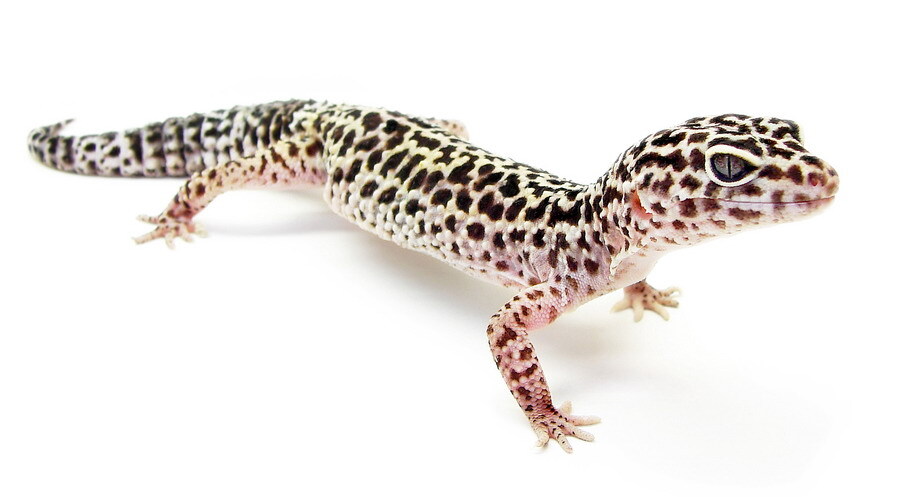
Understanding Reptile Biology
Reptiles are ectothermic (cold-blooded) animals, meaning they rely on external heat sources to regulate their body temperature. This single fact drives nearly every aspect of reptile husbandry. Without appropriate heat, reptiles cannot digest food, fight infection, or maintain normal metabolic processes. According to veterinary guidelines, thermal regulation is the most common area where reptile keepers make critical mistakes.
Unlike mammals, reptiles continue growing throughout much of their lives and shed their skin periodically. Shedding frequency varies by species, age, and growth rate. Incomplete sheds (dysecdysis) often indicate humidity problems or underlying health issues. Young reptiles shed more frequently than adults as they grow rapidly during their first year.
Enclosure Setup and Environment
A solid grasp of this area lets you support your reptile with intention rather than improvisation. Your reptile will show you what works through appetite, energy, coat, and behavior, adjust based on that evidence.
Temperature Gradients
Every reptile enclosure must provide a temperature gradient with a warm basking zone and a cooler retreat area. This allows the animal to thermoregulate by moving between zones as needed. The specific temperatures vary significantly by species.
- Bearded Dragons: Basking spot 100-110°F, cool side 75-85°F
- Leopard Geckos: Warm side 88-92°F, cool side 72-77°F
- Ball Pythons: Warm side 88-92°F, cool side 76-80°F
- Corn Snakes: Warm side 82-88°F, cool side 72-78°F
- Chameleons: Basking spot 85-90°F, ambient 70-80°F
Use reliable digital thermometers with probes placed at both the warm and cool ends of the enclosure. Infrared temperature guns are useful for spot-checking surface temperatures. Analog dial thermometers are notoriously inaccurate and should be avoided.
Lighting: UVB and UVA
Many reptile species require ultraviolet light for proper calcium metabolism. UVB radiation enables reptiles to synthesize vitamin D3 in their skin, which is essential for absorbing dietary calcium. Without adequate UVB exposure, reptiles develop metabolic bone disease (MBD), a painful and potentially fatal condition.
- Diurnal species (bearded dragons, chameleons, tegus, iguanas) require strong UVB lighting, typically 10-12% UVB output
- Crepuscular species (leopard geckos, crested geckos) benefit from lower UVB exposure (2-5% output) or can be supplemented with dietary D3
- Nocturnal snakes may not require UVB but benefit from a natural day/night light cycle
UVB bulbs degrade over time and should be replaced every 6-12 months, even if they appear to be working. The bulb should be positioned at the correct distance from the basking area per the manufacturer's recommendations, and mesh screens can reduce UVB penetration by up to 50%.
Metabolic Bone Disease Warning
MBD is one of the most common and preventable health conditions in captive reptiles. Early signs include lethargy, trembling, soft or rubbery jaw, and difficulty climbing. If you notice these symptoms, consult a reptile veterinarian promptly. Advanced MBD can cause permanent skeletal deformities. The AVMA recommends regular veterinary checkups (as recommended by the AVMA for all companion animals) for all exotic pets.
Humidity Control
Humidity requirements vary dramatically between species. Desert species like bearded dragons and leopard geckos need relatively low humidity (30-40%), while tropical species like chameleons and green tree pythons require much higher levels (50-80%). Maintaining incorrect humidity leads to respiratory infections (too humid for desert species) or dehydration and shedding problems (too dry for tropical species).
Methods for controlling humidity include misting systems, foggers, large water dishes, damp substrate, and ventilation adjustments. A digital hygrometer is essential for monitoring humidity levels accurately.
Substrate Choices
Substrate selection depends on species, age, and individual circumstances. Common options include.
- Paper towels/newspaper: Safe, easy to clean, ideal for quarantine and young reptiles
- Reptile carpet: Reusable, eliminates impaction risk, suitable for many species
- Bioactive substrates: Naturalistic soil mixes with cleanup crew organisms for established setups
- Cypress mulch: Good for tropical species, holds humidity well
- Tile or slate: Easy to clean, retains heat, suitable for desert species
Loose particulate substrates (sand, wood chips) carry an impaction risk, particularly for young reptiles and species that feed on the ground. If using loose substrate, ensure the animal is eating from a dish or tongs rather than off the substrate surface.
Insectivores
Species like leopard geckos, bearded dragons (particularly juveniles), and chameleons eat live insects. Appropriate feeder insects include crickets, dubia roaches, black soldier fly larvae, silkworms, and hornworms. All feeder insects should be gut-loaded (fed nutritious food for 24-48 hours before being offered to the reptile) and dusted with calcium and vitamin supplements.
Supplementation schedule (general guideline):
- Calcium without D3: Every feeding for juveniles, every other feeding for adults
- Calcium with D3: 2-3 times per week (if no UVB) or 1-2 times per week (with UVB)
- Multivitamin: 1-2 times per week
Herbivores
Adult bearded dragons, iguanas, uromastyx, and tortoises require a diet rich in leafy greens and vegetables. Appropriate staple greens include collard greens, mustard greens, dandelion greens, and endive. Avoid feeding large amounts of spinach, kale, or romaine lettuce as staples due to oxalate content or low nutritional value.
Carnivores
Snakes are obligate carnivores that eat whole prey items, typically rodents. Prey size should be approximately the same width as the thickest part of the snake's body. Frozen-thawed prey is safer than live feeding, as live rodents can injure snakes. The ASPCA recommends consulting with an exotic animal veterinarian to establish an appropriate feeding schedule for your specific species.
Common Health Issues
Recognizing health problems early is critical in reptile care, as reptiles tend to hide illness until it becomes severe.
- Metabolic Bone Disease (MBD): Caused by calcium deficiency or lack of UVB. Symptoms include trembling, soft jaw, deformed limbs, and lethargy
- Respiratory Infections: Wheezing, mucus in mouth or nostrils, open-mouth breathing, lethargy. Often caused by incorrect temperature or humidity
- Parasites: Internal and external parasites are common. Annual fecal testing by a reptile vet is recommended
- Mouth Rot (Stomatitis): Swelling, redness, or cheesy discharge around the mouth. Requires veterinary treatment
- Dysecdysis (Incomplete Shedding): Retained shed on toes, tail tip, or eyes. Often corrected by adjusting humidity
- Thermal Burns: Caused by unregulated heat sources. Use thermostats on all heating equipment
When to Seek Emergency Veterinary Care
Take your reptile to an exotic animal veterinarian immediately if you observe: prolapse of any organ, severe trauma or burns, seizures, complete food refusal with weight loss over several weeks, difficulty breathing, or sudden paralysis of limbs.
Finding a Reptile Veterinarian
Not all veterinarians are trained in reptile medicine. Seek a veterinarian who is experienced with exotic animals, ideally one who is board-certified through the Association of Reptilian and Amphibian Veterinarians (ARAV). The ARAV directory can help you locate a qualified reptile vet in your area. Schedule an initial wellness exam within the first week of acquiring a new reptile, and annual checkups thereafter.
How often should I feed my reptile?
Feeding frequency depends entirely on species, age, and size. Juvenile insectivores (baby bearded dragons, young leopard geckos) eat daily. Adult insectivores eat every other day to every few days. Adult snakes typically eat every 1-4 weeks depending on species and prey size. Herbivorous reptiles should have fresh greens available daily.
Do reptiles need water dishes?
Most reptiles benefit from access to clean water. Snakes and lizards from humid environments need water dishes large enough to soak in. Desert species still require water access. Some arboreal species (chameleons) drink moving water droplets and may need a drip system or misting schedule rather than a standing water dish.
Can I handle my reptile every day?
Handling tolerance varies by species and individual temperament. Allow new reptiles 1-2 weeks to acclimate before handling. Start with brief handling sessions (5-10 minutes) and gradually increase. Avoid handling for 48 hours after feeding to prevent regurgitation. Some species (chameleons, most snakes) tolerate less handling than others (bearded dragons, blue tongue skinks).
What is the best beginner reptile?
Commonly recommended beginner species include leopard geckos, corn snakes, ball pythons, bearded dragons, and crested geckos. Each has different care requirements, so research thoroughly before choosing. Consider space requirements, lifespan, diet preferences, and handling tolerance. See our species-specific guides: Bearded Dragon, Leopard Gecko, Corn Snake, Ball Python.
Sources and Further Reading
- AVMA: Exotic Pet Care
- Association of Reptilian and Amphibian Veterinarians (ARAV)
- ASPCA: General Pet Care Resources