How Big Do Belgian Malinoiss Get? Size & Growth Guide
This page is educational reference material for preparing questions. A licensed veterinarian examines the animal, makes the diagnosis, and sets the treatment.
Belgian Malinois full size: 40-80 lbs, large breed. Growth timeline from puppy to adult, weight chart, and when they stop growing.
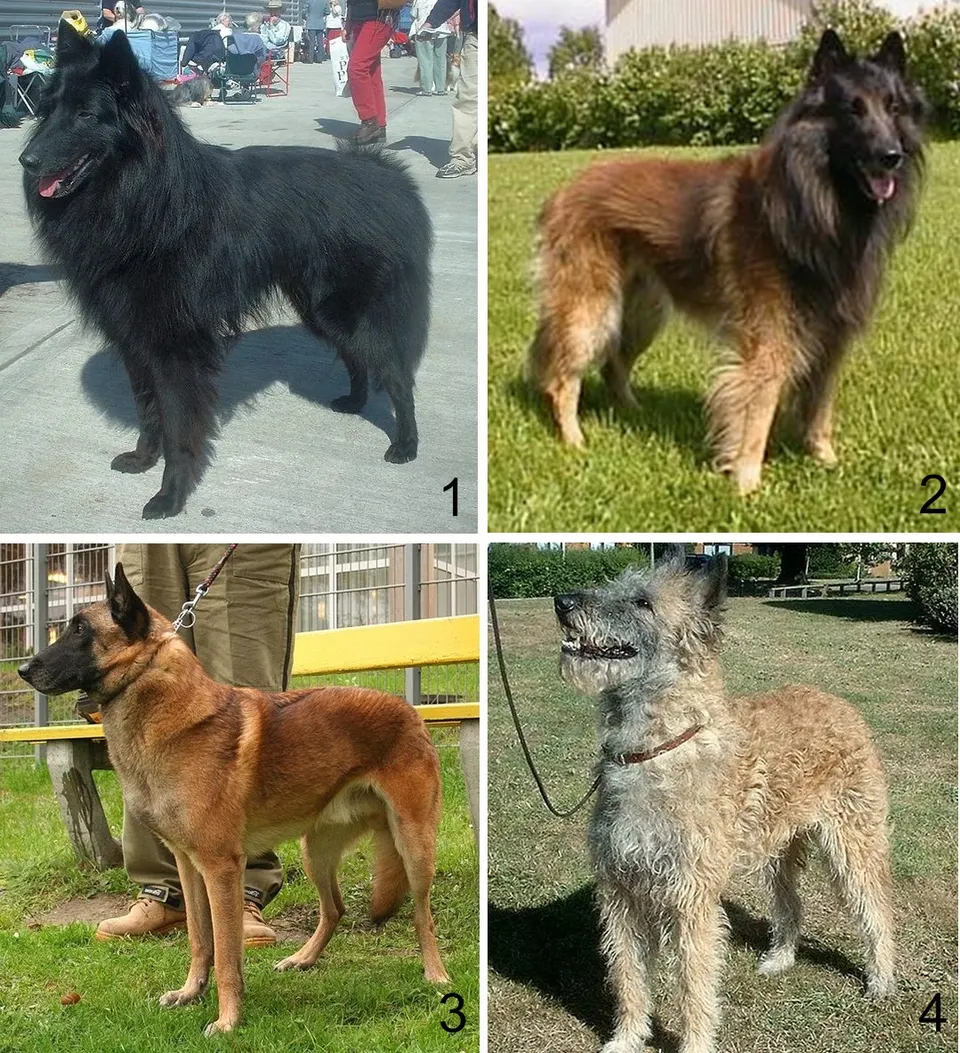
Full-Grown Size
Belgian Malinoiss are a large breed, reaching 40-80 lbs at full maturity. Large breeds take 12-24 months to reach their adult size, with most of their height achieved by 12 months and filling out continuing until 18-24 months.
Belgian Malinois adults typically weigh 40-80 lbs and live 14-16 yrs; the practical breed-specific considerations are the kind worth knowing going in, not figuring out later. We cover the essential details in the sections that follow.
Growth Timeline
While each animal has its own personality, breed-level data helps establish realistic expectations. The high-energy profile of Belgian Malinois calls for consistent physical and mental outlets; occasional effort will not absorb it.
- Size: large (40-80 lbs)
- Energy Level: High
- Shedding: Moderate
- Lifespan: 14-16 yrs
Weight Chart by Age
Knowledge of breed-specific characteristics directly translates to better day-to-day care. Plan Belgian Malinoiss care around a large body size, moderate shedding, and the breed's documented predisposition toward hip dysplasia and elbow dysplasia.
Male vs Female Size
The key to a happy, healthy Belgian Malinois is matching your care approach to their breed characteristics. High-energy breeds need physical and mental outlets every day — without them, behavioral problems like destructive chewing or excessive barking are common.
Factors Affecting Size
Several breed-specific considerations deserve attention beyond routine care protocols. As a herding breed, the Belgian Malinois has instincts and behaviors shaped by centuries of selective breeding for specific tasks.
Many experienced Belgian Malinois owners recommend dog sports like agility, flyball, or nosework to channel their energy productively.
Understanding your Belgian Malinois's instinctual drives makes enrichment more effective. Rather than generic toy rotation, tailor activities to what this breed was developed to do. Working breeds benefit from task-oriented challenges; scent-driven breeds thrive with nose work; social breeds need interactive play rather than solo activities.
When They Stop Growing
The cost difference between catching a condition early versus treating it at an advanced stage is typically 3-5x, not counting quality-of-life impact. Watch for early signs of hip dysplasia, maintain regular veterinary visits, and keep your dog at a healthy weight — excess weight worsens most of the conditions Belgian Malinois are prone to.
Set up regular times for meals, activity, grooming, and rest. High-energy Belgian Malinoiss especially benefit from knowing when their exercise time is coming — it helps them settle during calmer periods.
Veterinary Care Schedule for Belgian Malinoiss
Preventive care reduces both emergency costs and disease severity over your pet's lifetime. Here is a general framework for your Belgian Malinois. Use this as a starting point — your vet may adjust based on individual health.
| Life Stage | Visit Frequency | Key Screenings |
|---|---|---|
| Puppy (0-1 year) | Every 3-4 weeks until 16 weeks, then at 6 and 12 months | Vaccinations, deworming, spay/neuter (consult AVMA guidelines on optimal timing) consultation |
| Adult (1-7 years) | Annually | Physical exam, dental check, heartworm test, vaccination boosters |
| Senior (7+ years) | Every 6 months | Blood work, urinalysis, Hip Dysplasia screening, Elbow Dysplasia screening, Progressive Retinal Atrophy screening |
Belgian Malinoiss should receive breed-specific screening for hip dysplasia starting at 1-2 years of age, as large breeds develop structural issues early. The earlier you know, the more you can do about it.
Cost of Belgian Malinois Ownership
Ownership costs vary by region, health status, and lifestyle. These ranges reflect national averages for Belgian Malinois ownership.
More Belgian Malinois Guides
Find more specific guidance for Belgian Malinois health and care.
- Belgian Malinois Diet & Nutrition Guide
- Belgian Malinois Pet Insurance Cost
- How to Train a Belgian Malinois
- Belgian Malinois Grooming Guide
- Belgian Malinois Health Issues
- Belgian Malinois Exercise Needs
- Belgian Malinois Cost of Ownership
Questions Owners Ask
What are the most important considerations for how big do belgian malinoiss get?
Belgian Malinois adults commonly fall between 40 and 80 pounds and stay lean when the work matches the food. Height is mostly set by a year, and thigh muscle comes later. A Malinois that looks finished at eight months often adds chest and neck through 18 months. Feed to a waist you can see, and lengthen the training when the cup goes up.