Dog Recall Training
A reliable recall can save your dog's life. When your dog comes immediately when called - regardless of distractions - you can give them more freedom while keeping them safe. This guide teaches you to build a rock-solid recall using proven positive reinforcement techniques.
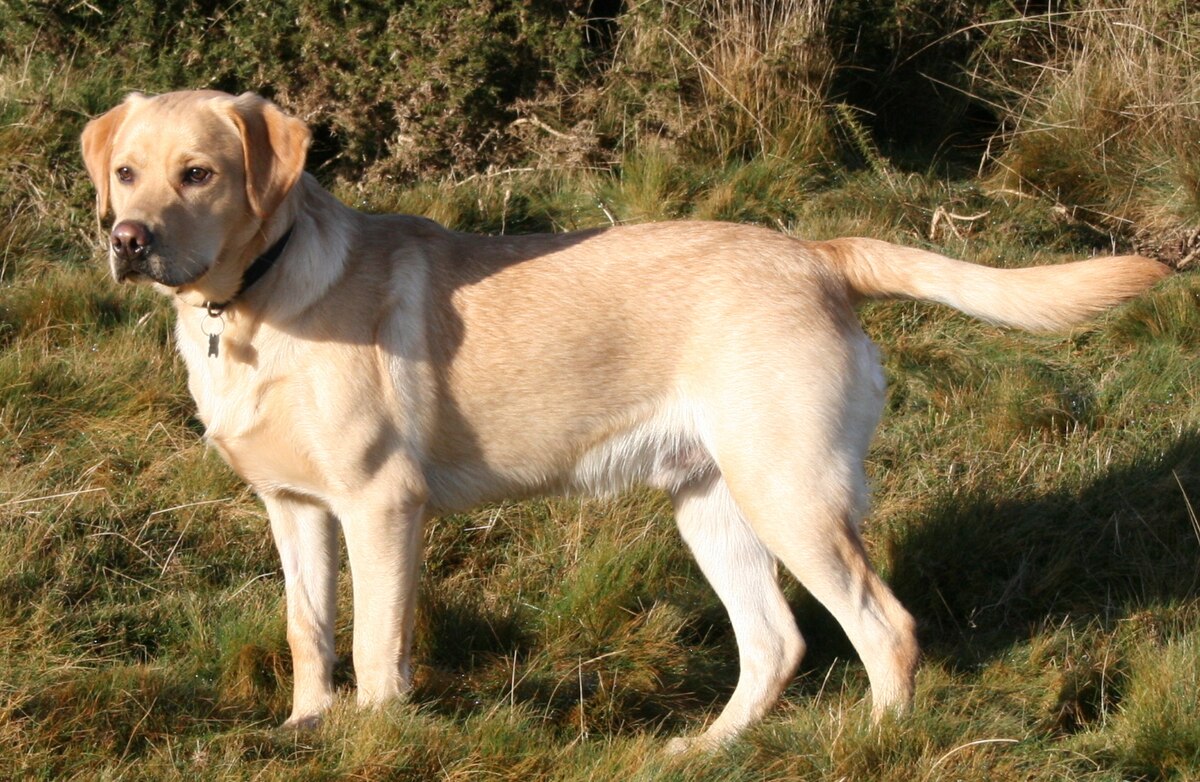
Why Recall is the Most Important Command
- Safety: Prevents running into traffic, approaching aggressive dogs, or eating dangerous items
- Freedom: Allows off-leash time at appropriate locations
- Emergency response: Can interrupt dangerous situations
- Relationship building: Teaches your dog that coming to you is always a good choice
Rule 1: Never Poison the Cue
Your recall word must always predict something wonderful. If you call your dog and then.
- Give them a bath they hate
- End their fun at the park
- Put them in a crate and leave
- Punish them for something
- Do anything they find unpleasant
You're teaching them that coming when called leads to bad things. Instead, go get your dog for unpleasant activities.
Rule 2: Make It a Party Every Time
When your dog comes when called, celebrate like they just won the lottery.
- High-value treats (not kibble)
- Excited voice and praise
- Play their favorite game
- Multiple treats, not just one
- The best reward you have available
Rule 3: Don't Call If You Can't Enforce
Every time you call and your dog ignores you, you're teaching that the cue is optional. If you can't ensure they'll come.
- Don't use your recall word
- Go get your dog instead
- Use a long line so you can guide them
- Wait for a better moment
Rule 4: Practice More Than You Think Necessary
A reliable recall requires hundreds or thousands of repetitions across many environments. Most people underestimate how much practice is needed.
If Your Recall is Already "Poisoned"
If your dog ignores your current recall word, start fresh with a completely new word. "Here!" "Come!" "Let's go!" - pick something you haven't used. The new word gets to be special from day one.
Phase 1: Building Value for the Recall Word
Before you ask your dog to do anything, make the word predict amazing things.
Exercise: Name Game (Week 1-2)
- Wait for your dog to look away from you
- Say your recall word ("Come!") once, in a happy tone
- The instant they look at you, say "Yes!" and give a high-value treat
- Repeat 10-15 times per session, multiple sessions daily
- Do this in different rooms of your house
Exercise: Restrained Recalls
Works great with two people.
- Person A holds the dog gently by the collar or chest
- Person B moves 10-15 feet away
- Person B gets excited, shows treats, calls the dog
- Person A releases the dog
- Dog runs to Person B, gets huge reward party
- Switch roles and repeat
What Makes This Work
- Restraint builds anticipation and excitement
- Short distance ensures success
- Big rewards create strong positive associations
- Low distraction environment allows focus
Phase 2: Adding Distance (Indoors)
Once your dog is eagerly responding to your recall word, start building distance.
Progressive Distance Training
- Start in a hallway or room with few distractions
- Let your dog wander a short distance away (5-10 feet)
- Call them with your recall word
- When they come, throw a treat party!
- Gradually increase distance over multiple sessions
- Practice in different rooms of your house
Hide and Seek Recalls
Makes recall fun and exciting.
- When your dog isn't looking, hide behind a door or furniture
- Call your dog with your recall word
- Make excited sounds if they're having trouble finding you
- Celebrate when they find you - treats and play!
- Great for building engagement and attention
Phase 3: Long Line Training (Outdoors)
A long line allows practice in real-world environments while maintaining control. The trade-off is simple: a few hours reading about their dog behavior now versus larger bills and stress later.
Equipment Needed
- Long line: 15-30 feet of lightweight rope or biothane
- Harness: Never attach long line to collar (neck injury risk)
- Treat pouch: Full of high-value rewards
- Gloves: Protect hands from rope burn
Long Line Training Steps
- Attach long line to harness (never collar)
- Go to a quiet outdoor area (empty field, quiet park)
- Let your dog explore while you hold the end of the line
- Wait for a moment when your dog isn't deeply engaged in something
- Call them with your recall word
- If they come, huge party with treats!
- If they don't come, gently use the line to guide them toward you, then reward
- Never jerk the line - gentle guidance only
Timing Your Recalls
Set your dog up for success by choosing when to call.
- Good times to call: Dog is wandering, looking around, finished sniffing
- Bad times to call: Dog is intensely sniffing, mid-chase, playing with another dog
- Build success first, then gradually call during more challenging moments
Phase 4: Adding Distractions
Gradually introduce distractions following the three D's: Distance, Duration, Distraction - only increase one at a time.
Distraction Progression
- Level 1: Empty room/yard - no distractions
- Level 2: Household members moving around
- Level 3: Toys on the ground
- Level 4: Food on the ground (protected so dog can't get it)
- Level 5: Quiet outdoor area
- Level 6: Area with distant dogs or people
- Level 7: Busier environments
- Level 8: High-distraction areas (dog park perimeter, pet store)
Proofing Techniques
- Premack principle: "Come to me, then you can go back to sniffing" (coming to you gives access to what they want)
- Variable rewards: Sometimes treats, sometimes play, sometimes just praise - keep it interesting
- Surprise recalls: Call randomly during walks and at home
- Add movement: Run away after calling - dogs love to chase
Emergency Recall
Some trainers recommend a separate "emergency" recall - a special word used only for true emergencies.
Building an Emergency Recall
- Choose an unique word or sound (whistle, specific word like "TREAT!")
- Never use this word in normal training
- Every single time you use it, give the best reward possible (hot dogs, cheese, steak)
- Practice only 1-2 times per week to keep it special
- Always reward extravagantly
- Reserve for actual emergencies and occasional maintenance practice
Mistakes to Avoid
- Calling repeatedly: "Come! Come! Come! COME!" teaches the word is meaningless
- Chasing your dog: Makes running away a fun game
- Calling to end fun: Dog learns recall = fun over
- Weak rewards: Kibble doesn't compete with squirrels
- Punishing slow recalls: Dog learns coming to you isn't safe
- Training too fast: Skipping to high distractions before building foundation
- Inconsistency: Sometimes enforcing, sometimes not
What to Do Instead
- Call once, then help dog succeed (long line, going to them)
- Run AWAY from your dog - they'll chase you
- Call, reward, then release them to continue playing
- Use the best treats you have
- Celebrate every recall, even slow ones
- Build foundation before adding challenges
- Don't call if you can't ensure success
Recall for Specific Situations
The trade-off is simple: a few hours reading about their dog behavior now versus larger bills and stress later.
Recall Around Other Dogs
- Start at a distance where your dog can see other dogs but still focus
- Reward heavily for attention on you near other dogs
- Practice with known, calm dogs first
- Use long line for safety during training
- Don't call from middle of play - wait for natural breaks
Recall for Puppies
- Start recall training immediately - puppies follow naturally
- Keep it fun and rewarding from day one
- Use puppy's name + recall word together initially
- Very short distances at first
- Multiple brief sessions throughout the day
Recall for Adult Dogs with No Training
- Start completely fresh with a new recall word
- Build value indoors before going outside
- Be patient - unlearning is slower than learning
- Use long line religiously until recall is reliable
- Consider professional help if progress stalls
Maintaining Your Recall
Even after training, recall needs maintenance.
Ongoing Practice
- Practice recalls daily, even just at home
- Keep rewards unpredictable (sometimes amazing, always good)
- Occasionally use your recall during walks and praise/reward
- Never stop reinforcing - recalls should always be worth coming for
Signs You Need to Refresh
- Dog starts hesitating before coming
- Dog ignores recall in certain situations
- Response time is getting slower
- You've been using recall for unpleasant things
Timeline and Expectations
Building a reliable recall takes time.
- Week 1-2: Building value for the word (indoor training)
- Week 3-4: Adding distance indoors
- Month 2: Long line training in quiet outdoor areas
- Month 3-4: Adding moderate distractions on long line
- Month 5-6: High distraction training, testing reliability
- Month 6+: Gradual transition to off-leash in appropriate areas
- Ongoing: Maintenance and reinforcement forever
Need Help with Recall Training?
Every dog presents unique challenges. Our AI assistant can help you troubleshoot specific recall issues and develop a customized training plan.