Multi-Dog Household Guide
Adding another dog to your family can bring joy to both you and your current dog, but success depends on thoughtful introductions and ongoing management. This article helps you create a harmonious multi-dog home.
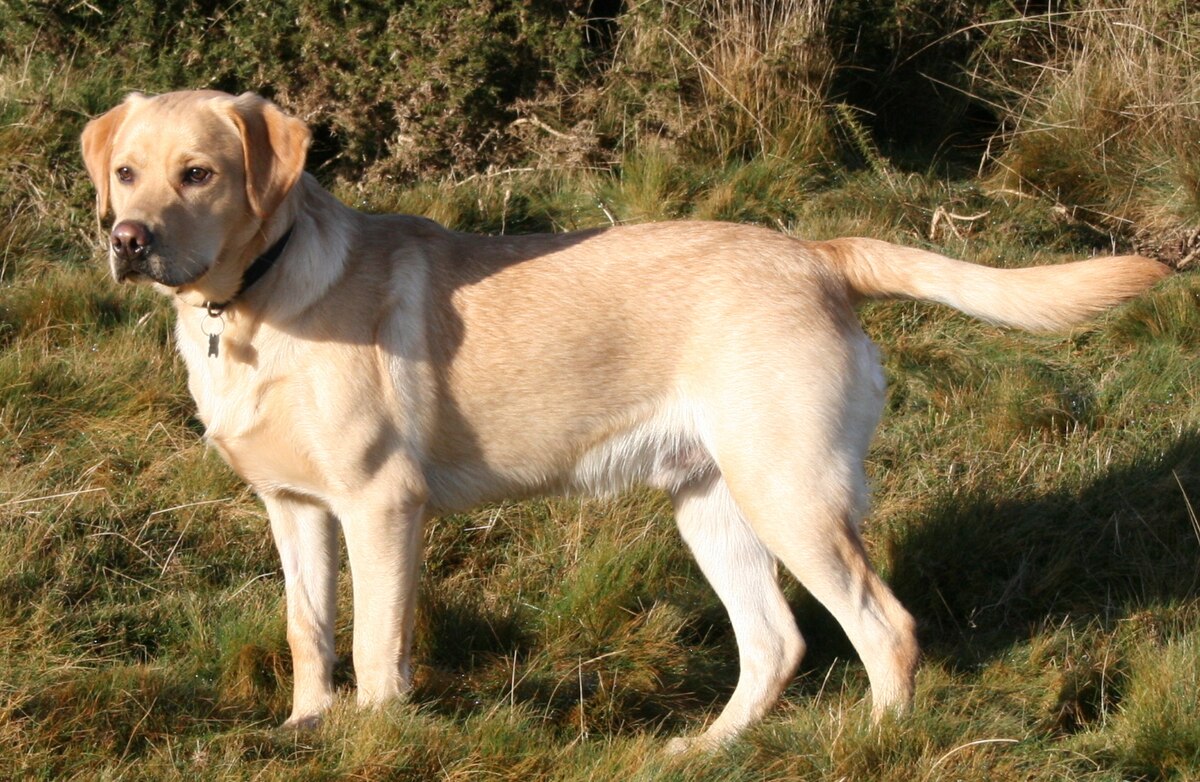
Questions to Consider
- Does your current dog enjoy other dogs? (Dog park behavior, play dates)
- Do you have time for training and walking two dogs?
- Can you afford veterinary care, food, and supplies for two?
- Is your living space adequate for multiple dogs?
- Can you manage them separately if needed during introductions?
- What is your current dog's age and energy level?
Choosing a Compatible Dog
- Energy levels: Similar or complementary (high-energy puppy may frustrate senior dog)
- Size: Consider size differences for play safety
- Sex: Opposite sex pairs often have fewer conflicts
- Age: Adult dogs may be overwhelmed by puppies; two puppies together is very challenging
- Temperament: Avoid two assertive dogs; one confident and one more submissive often works well
Step 1: Neutral Territory
- First meeting should be in neutral territory (park, friend's yard)
- Both dogs on loose leashes (tight leashes create tension)
- Allow brief sniffs, then redirect with walks
- Keep initial meeting short and positive
- Watch body language; separate if either shows stress
Step 2: Parallel Walking
- Walk dogs in same direction with distance between them
- Gradually decrease distance as both remain calm
- Switch positions so each dog gets to lead
- Continue until both are relaxed walking together
Step 3: Home Introduction
- Remove high-value items (toys, food bowls, favorite sleeping spots)
- Bring new dog in while resident dog is outside
- Let new dog explore alone first
- Bring resident dog in on leash
- Supervise all interactions initially
- Separate when you can't supervise
Step 4: Supervised Togetherness
- Gradually increase supervised time together
- Feed separately initially (prevents resource guarding)
- Provide multiple water bowls, beds, and resting spots
- Watch for signs of tension and separate if needed
- Praise calm, positive interactions
Feeding Multiple Dogs
- Feed in separate locations or rooms
- Pick up bowls when finished (no guarding empty bowls)
- Never give treats or chews that could spark competition without separation
- Each dog should have their own food bowl
- Monitor that each dog eats appropriate amount
Resource Management
- Multiple water bowls throughout home
- Multiple resting spots (no dog should feel trapped)
- Give special chews (bully sticks, Kongs) separately
- Provide enough toys so guarding isn't necessary
- Supervise play with high-value toys
Individual Attention
- Spend one-on-one time with each dog daily
- Train each dog individually
- Walk dogs separately sometimes to bond
- Don't always favor one dog over another
Reading Dog Body Language
Health and behavior metrics for your dog tend to trend upward whenever the plan becomes more specific.
Signs of Healthy Play
- Play bows (front end down, back end up)
- Loose, wiggly body movements
- Taking turns chasing and being chased
- Voluntary pauses in play
- Both dogs returning to play after breaks
Signs of Tension - Intervene
- Stiff body posture
- Hard staring
- Raised hackles
- Growling with teeth showing
- One dog trying to escape, other pursuing
- Mounting that isn't stopped with a correction
- One dog always on the bottom, looking stressed
Prevention Strategies
- Manage resources (separate feeding, multiple water bowls)
- Provide adequate space and escape routes
- Exercise dogs adequately (tired dogs have less energy for conflict)
- Supervise high-arousal situations
- Don't punish growling (it's a warning; removing the warning creates sneak attacks)
- Learn to recognize early tension signs
If a Fight Occurs
- Don't put hands between dogs (you will be bitten)
- Make loud noise (air horn, pot banging)
- Spray water (hose, spray bottle)
- Throw blanket over dogs to disorient
- Wheelbarrow technique: grab back legs and pull backward (two people, one per dog)
- After separation, keep dogs apart until calm
- Seek professional help if fights occur
Seek Professional Help
If your dogs are fighting, don't wait for it to resolve on its own. Inter-dog aggression can escalate. Consult a certified professional trainer (CPDT-KA) or veterinary behaviorist (DACVB) experienced in multi-dog households.
Special Considerations
A little curiosity about how your specific dog is actually wired goes a long way toward preventing avoidable missteps.
Adding a Puppy
- Adult dogs may not appreciate puppy energy initially
- Give adult dog space to retreat from puppy
- Supervise all interactions until puppy learns manners
- Don't let puppy harass adult dog
- Adult may correct puppy appropriately (growl, air snap); this is normal
Senior and Young Dog Together
- Protect senior from being overwhelmed
- Ensure senior has quiet resting spots
- Monitor for pain-related grumpiness in senior
- Young dog needs exercise outlets that don't rely on senior
Ask About Multi-Dog Living
Have questions about introducing dogs, managing conflicts, or multi-dog household dynamics? Our AI assistant can provide guidance.