Complete Guide to Dog Haircut Styles
Choosing the right haircut for your dog depends on their breed, coat type, lifestyle, and your maintenance preferences. This guide explains popular grooming styles to help you communicate with your groomer and choose the best look for your pup.
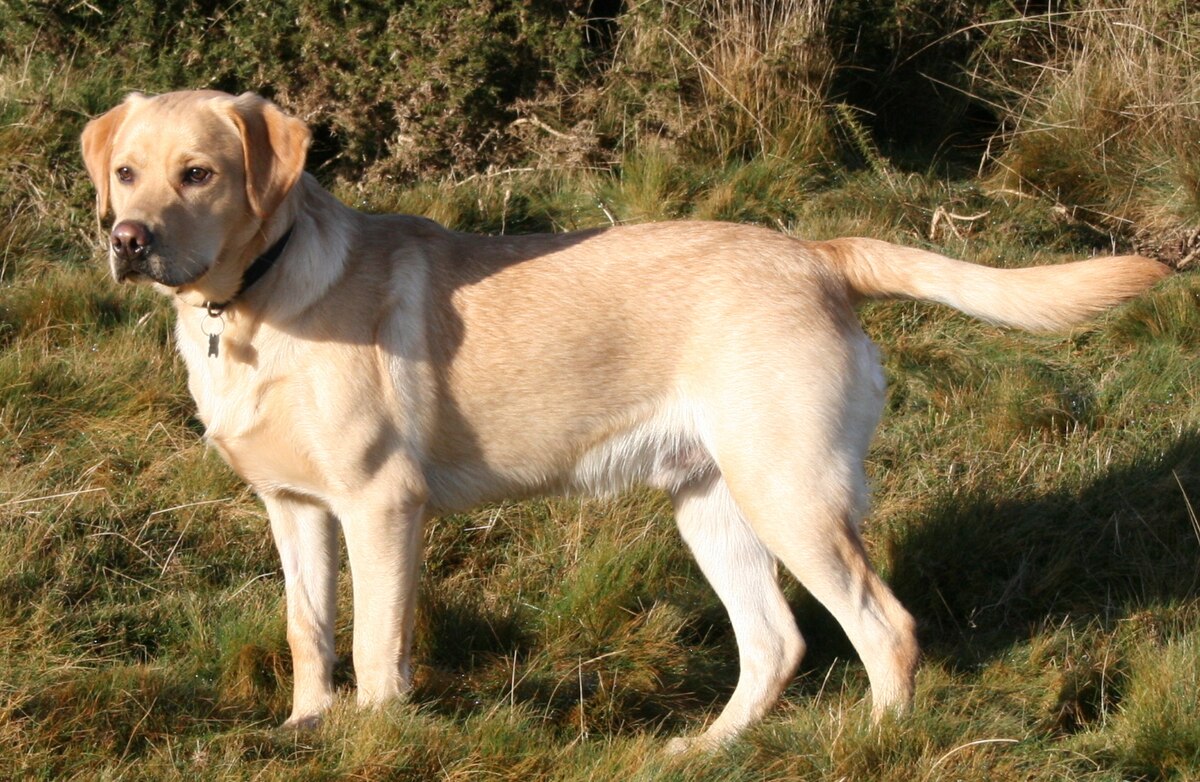
Puppy Cut / Teddy Bear Cut
One of the most popular and practical styles for many breeds.
- Description: Even length all over the body (usually 1/2 to 1 inch)
- Face: Rounded head with scissored, fluffy face
- Ears: Trimmed to match body length or left natural
- Good for: Poodles, Doodles, Shih Tzus, Maltese, Bichons, most long-coated breeds
- Maintenance: Moderate; requires brushing every few days
- Pros: Cute, easy to maintain, comfortable for dogs
- Cons: Not a traditional show cut
Kennel Cut / Summer Cut
Short, low-maintenance cut ideal for hot weather or active dogs.
- Description: Very short all over (1/4 inch or less)
- Face: Short and clean
- Good for: Hot climates, swimming dogs, low-maintenance owners
- Maintenance: Minimal between grooms
- Pros: Easy care, cooler for dogs, less matting
- Cons: May look "naked," more sun exposure risk
Lion Cut
Dramatic style with a mane and tufted tail.
- Description: Body shaved short, leaving full mane around head/shoulders and pom on tail
- Good for: Pomeranians, Chow Chows, Poodles, some long-coated breeds
- Maintenance: Moderate; mane needs brushing
- Pros: Unique look, cooler body with style
- Cons: Not for all dogs; some may look odd
Lamb Cut
Shorter body with fluffy legs.
- Description: Body clipped short, legs left fuller and scissored
- Face: Clean face with rounded topknot
- Good for: Poodles, Bichons, Bedlington Terriers
- Maintenance: Moderate; leg hair needs regular brushing
- Pros: Elegant look, shows off leg angulation
Poodle Styles
Poodles have versatile coats that can be styled in many ways.
Continental Clip
Classic show cut for Standard and Miniature Poodles.
- Hindquarters shaved with pom-poms on hips and ankles
- Full mane on front half
- Topknot and ear feathering
- High maintenance; show dog style
English Saddle Clip
Another AKC show clip option.
- Similar to Continental but with fuller hindquarters
- Short pack on hindquarters instead of shaved
- Pom-poms at ankles and hips
Sporting Clip
Practical cut for active Poodles.
- Even length all over body (short to medium)
- Scissored topknot
- More natural look
- Easier to maintain than show clips
Miami / Bikini Clip
Fun, breezy summer style.
- Body clipped short
- Pom-poms on legs and tail
- Topknot on head
- Playful, easy to maintain
Modern Cut
Updated, softer version of traditional Poodle styles.
- Shorter topknot, more rounded
- Less exaggerated proportions
- Clean face or short facial hair
- Popular in Asian grooming styles
Doodle Styles
Goldendoodles, Labradoodles, and other Poodle mixes.
Teddy Bear Cut
Most requested Doodle style.
- Even length body (3/4 to 1 inch typically)
- Round, fluffy head
- Legs can be left slightly longer
- Soft, cuddly appearance
Retriever Cut
Emphasizes the Retriever parent look.
- Longer, flowing coat
- Feathering on legs and tail
- More natural appearance
- Higher maintenance
Poodle Cut
Emphasizes the Poodle parent look.
- Clean face and feet
- Topknot on head
- More structured appearance
Traditional Schnauzer Cut
- Short clipped body
- Longer leg furnishings
- Distinctive beard and eyebrows
- Arched eyebrows over eyes
Puppy Cut Variation
- Even length all over
- Softer, less angular look
- Beard can be kept or shortened
Terrier Styles
The habits that keep their dog healthy long-term almost always start with an owner willing to learn.
Westie (West Highland White Terrier)
- Round, chrysanthemum-shaped head
- Short body coat (hand-stripped or clipped)
- Blended skirt on belly
- Carrot-shaped tail
Scottie (Scottish Terrier)
- Longer beard and eyebrows
- Short back
- Long skirt on belly
- Distinctive silhouette
Wire Fox Terrier / Airedale
- Hand-stripped coat (show) or clipped (pet)
- Long beard and leg furnishings
- Clean lines on body
Traditional Cocker Cut
- Domed head with rounded topknot
- Long, flowing ears
- Feathered legs and belly
- Higher maintenance
Sporting Clip
- Shorter all over
- Ears trimmed shorter
- Easier to maintain
- Good for active dogs
Shih Tzu Styles
A care plan fitted to this particular your dog almost always produces better behavior and better health markers.
Show Coat
- Floor-length coat
- Topknot with bow
- Extremely high maintenance
- Daily brushing required
Puppy Cut
- Even length all over (1-2 inches)
- Round face
- Most practical for pets
Top Knot Cut
- Body short
- Head left longer with topknot
- Classic Shih Tzu look with easier maintenance
Bichon Frise Styles
The signal in your dog-specific advice usually outweighs the noise in generalized pet content.
Show Cut
- Powder puff appearance
- Rounded all over
- Scissored to perfection
- Very high maintenance
Utility Cut
- Shorter, easier to maintain version
- Still rounded but less exaggerated
- Good for pets
How to Communicate Your Preferences
- Bring photos: Pictures are worth a thousand words
- Be specific about length: Use inches or clipper blade numbers
- Discuss maintenance: Be honest about how much you'll brush
- Mention concerns: Hot spots, matting areas, skin issues
- Ask questions: Groomers can suggest styles for your dog
Questions to Ask Your Groomer
- What style would work best for my dog's coat type?
- How often will my dog need grooming with this style?
- What maintenance will I need to do at home?
- Can you show me how to brush to maintain this cut?
- Is there anything about my dog's coat that concerns you?
Realistic Expectations
- Some styles require specific coat types
- Matted coats may need to be shaved short first
- Coat texture affects how styles look
- Photos may show dogs with different coat types than yours
- First cuts may need refinement
Grooming Frequency by Style
With the baseline understood, nutrition, activity, preventive medicine, and enrichment choices take on a clearer shape
Every 4-6 Weeks
- Poodle clips
- Doodle teddy bear cuts
- Bichon styles
- Schnauzer cuts
- Any style that requires scissor work
Every 6-8 Weeks
- Puppy cuts
- Kennel cuts
- Most terrier clips
- Sporting clips
Every 8-12 Weeks
- Very short all-over clips
- Low-maintenance styles
- Breeds with slower-growing hair
Styles NOT Recommended
Breeds That Should Not Be Shaved
Double-coated breeds (Huskies, German Shepherds, Golden Retrievers, etc.) should never be shaved except for medical reasons. Shaving damages the coat permanently, removes natural insulation, and increases sunburn and heat stroke risk. These breeds shed; they should be brushed and deshedded, not shaved.
Seasonal Considerations
Specifics shift with your circumstances — treat the structural guidance here as the durable layer, the details as adjustable.
Summer Styles
- Shorter cuts are more comfortable
- Avoid shaving double coats
- Keep some length for sun protection
- Clean feet and sanitary areas
Winter Styles
- Can leave coat a bit longer for warmth
- Keep feet trimmed to prevent ice balls
- Regular brushing still important
Ask About Dog Haircut Styles
Not sure which style is right for your dog? Our AI assistant can help you choose a cut based on your dog's breed and your maintenance preferences.