Complete Dog Ear Cleaning Guide
Regular ear cleaning is an important part of dog grooming that helps prevent infections and keeps your dog comfortable. This guide focuses on everything you need to know about cleaning your dog's ears safely and effectively.
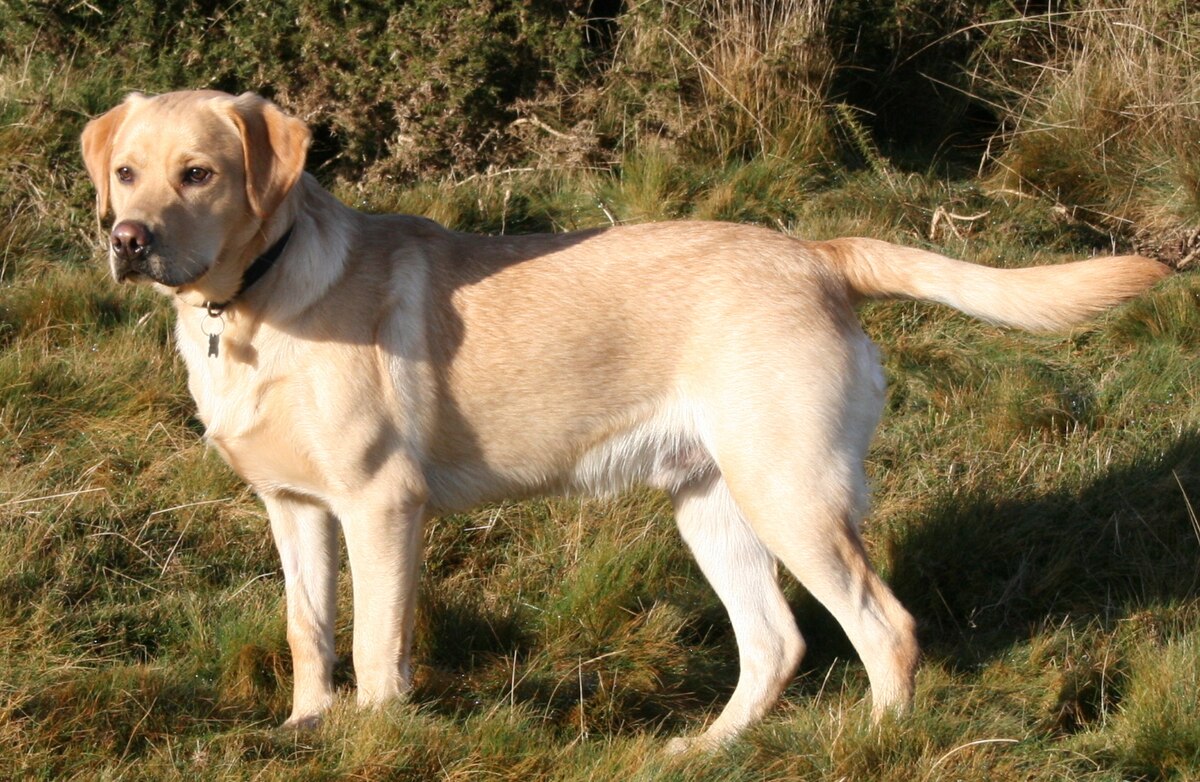
Why Ear Cleaning Matters
- Prevents infections: Removes debris and moisture where bacteria and yeast thrive
- Early detection: Regular checks help catch problems early
- Comfort: Clean ears are comfortable ears
- Reduces odor: Dirty ears can smell unpleasant
- Saves money: Prevention is cheaper than treating infections
Understanding Dog Ear Anatomy
Dogs have an L-shaped ear canal that traps debris and moisture more easily than human ears.
- Outer ear (pinna): The visible flap
- Vertical canal: Goes down into the head
- Horizontal canal: Makes a 90-degree turn toward the eardrum
- Eardrum: Located at the end of the horizontal canal
Never Insert Objects Deep Into the Ear
The L-shaped canal protects the eardrum from most damage, but you should never insert cotton swabs, fingers, or other objects deep into your dog's ear canal. Clean only what you can see in the outer ear.
Floppy-Eared Breeds
Basset Hounds, Cocker Spaniels, Beagles, Bloodhounds
- Ears trap moisture and block airflow
- Need more frequent cleaning and checking
- May benefit from ear drying powder
Dogs with Hairy Ear Canals
Poodles, Shih Tzus, Schnauzers, Bichon Frises
- Hair traps debris and moisture
- May need hair plucking by groomer or vet
- Require regular ear checks
Dogs that Swim
- Water in ears promotes bacterial/yeast growth
- Need ears dried after every swim
- Consider ear-drying solutions
Dogs with Allergies
- Allergies often manifest as ear problems
- Chronic inflammation makes infections more likely
- May need ongoing ear care as part of allergy management
Signs of Healthy Ears
- Pink, clean skin inside
- No odor or mild natural scent
- Minimal to no discharge
- Dog doesn't scratch or shake head excessively
- No redness, swelling, or sensitivity
Signs of Ear Problems
- Odor: Yeasty, musty, or foul smell
- Discharge: Brown, black, yellow, or bloody
- Redness: Inflammation inside the ear
- Swelling: Ear canal appears narrowed
- Head shaking: Frequent or vigorous
- Scratching: Pawing at ears
- Head tilt: Can indicate inner ear involvement
- Pain: Dog pulls away when ears touched
- Hair loss: Around ears from scratching
- Balance problems: Inner ear infections affect equilibrium
When to See a Vet
If your dog shows signs of an ear infection, see a veterinarian before cleaning. Cleaning an infected ear without proper diagnosis and medication can worsen the problem or mask symptoms. Some ear conditions require medicated drops, not just cleaning.
How Often to Clean Dog Ears
- Most dogs: Weekly inspection, cleaning as needed (often every 1-4 weeks)
- Floppy-eared breeds: Weekly cleaning often recommended
- Dogs prone to infections: Follow vet's specific schedule
- After swimming: Dry ears immediately
- Over-cleaning: Can irritate ears and disrupt natural environment
Ear Cleaning Supplies
Fine-tuning for a specific your dog feels like extra work; in practice it removes more friction than it adds.
Essential Items
- Veterinary-approved ear cleaner: Choose based on your dog's needs
- Cotton balls or gauze pads: For wiping
- Treats: For positive reinforcement
- Towel: For messy shake-offs
Types of Ear Cleaners
- General maintenance cleaners: For routine cleaning of healthy ears
- Drying solutions: Contain alcohol; good for swimmers (not for irritated ears)
- Medicated cleaners: Contain anti-fungal or anti-bacterial ingredients
- Gentle/natural cleaners: For sensitive ears
What NOT to Use
- Cotton swabs/Q-tips (can push debris deeper or damage ear)
- Hydrogen peroxide (irritating to ear tissue)
- Alcohol in inflamed ears (causes pain)
- Vinegar solutions without vet guidance
- Human ear drops
Preparation
- Gather all supplies before starting
- Choose a comfortable, easy-to-clean location
- Have treats ready for rewards
- Wear old clothes (ear cleaner may splash)
- Get your dog relaxed and comfortable
Inspection
- Gently lift the ear flap
- Look inside the ear for redness, swelling, or discharge
- Smell the ear (healthy ears have minimal odor)
- If you see signs of infection, stop and contact your vet
- If ears look healthy, proceed with cleaning
Cleaning Process
- Hold the ear flap: Lift it up and slightly back to straighten the canal
- Apply cleaner: Fill the ear canal with solution (follow product directions)
- Massage the base: Gently massage the base of the ear for 20-30 seconds; you should hear a squishing sound
- Let dog shake: Stand back and let your dog shake out excess solution
- Wipe the outer ear: Use cotton balls to wipe away debris from the visible parts of the ear
- Repeat if very dirty: May need 2-3 applications for dirty ears
- Reward your dog: Give treats and praise
What the Debris Tells You
- Light brown, waxy: Normal; routine cleaning sufficient
- Dark brown, coffee-ground like: Could indicate ear mites; see vet
- Yellow or green: Possible bacterial infection; see vet
- Black, yeasty smelling: Possible yeast infection; see vet
- Bloody: Injury or serious infection; see vet immediately
Ear Drying After Swimming
- As soon as possible after swimming, apply ear drying solution
- Massage gently to distribute
- Let dog shake
- Wipe visible moisture with cotton ball
- Consider cotton balls in ears during baths (remove after)
Training Dogs to Accept Ear Cleaning
The pet will signal what's working and what isn't; those signals beat written protocol in most real situations.
Desensitization Steps
- Touch ears gently: Handle ear flaps during calm times; treat and praise
- Lift ear flaps: Practice looking inside ears; reward
- Touch inside ear: Gently touch visible inner ear with finger; treat
- Introduce bottle: Let dog see and sniff cleaner bottle; reward
- Touch bottle to ear: Without dispensing solution; treat
- Small amount of cleaner: Apply small amount, massage, wipe, big reward
- Full cleaning: Gradually work up to complete cleaning
For Resistant Dogs
- Use extremely high-value treats
- Keep sessions short
- Do one ear at a time if needed
- Consider having helper feed treats continuously
- Try cleaning while dog is sleepy
- Make it a positive experience, not a battle
Common Ear Conditions
Owners who engage with their dog-specific guidance, rather than generic pet advice, tend to spot problems sooner.
Ear Mites
- Tiny parasites that live in ear canal
- Dark, coffee-ground-like debris
- Intense itching and head shaking
- More common in puppies and cats
- Contagious to other pets
- Requires veterinary treatment
Bacterial Infections
- Often secondary to allergies or moisture
- Yellow or green discharge
- Strong, unpleasant odor
- Requires antibiotic ear drops from vet
Yeast Infections
- Common in floppy-eared and allergic dogs
- Dark brown, musty-smelling discharge
- Ears may feel warm
- Requires anti-fungal treatment from vet
Foreign Bodies
- Grass awns, foxtails, debris
- Sudden onset head shaking
- Usually affects one ear
- Requires veterinary removal
Aural Hematomas
- Blood-filled swelling of ear flap
- Usually from head shaking due to ear infection
- Requires veterinary treatment
- Treat underlying cause to prevent recurrence
Preventing Ear Problems
- Regular inspections: Check ears weekly
- Appropriate cleaning: Not too often, not too rarely
- Dry ears thoroughly: After baths and swimming
- Address allergies: Allergies are a common underlying cause
- Maintain healthy weight: Obesity can contribute to ear issues
- Professional grooming: Include ear care in grooming appointments
- Hair removal: In breeds with hairy ear canals (by groomer or vet)
Ask About Dog Ear Care
Have questions about your dog's ear health or cleaning routine? Our AI assistant can provide personalized guidance.