Complete Guide to Dog Coat Types
Understanding your dog's coat type is essential for proper grooming and care. Different coats have unique needs, shedding patterns, and maintenance requirements. This resource covers all major coat types and how to care for each one.
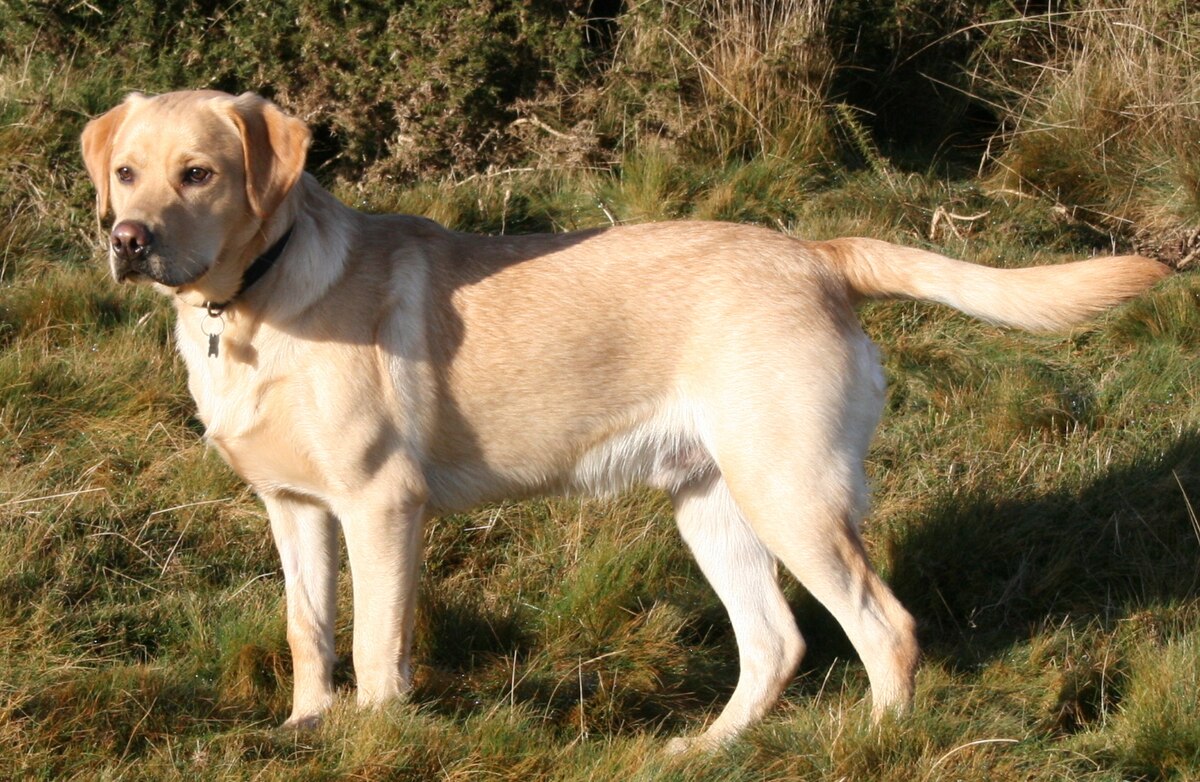
Why Coat Type Matters
- Grooming needs: Each coat type requires specific brushes and techniques
- Shedding patterns: Some coats shed constantly, others seasonally, some barely at all
- Temperature regulation: Coats are designed for specific climates
- Skin health: Proper coat care maintains healthy skin underneath
- Allergy considerations: Some coat types may be better for allergy sufferers
- Professional grooming: Knowing your coat type helps communicate with groomers
Smooth/Short Coats
Short, close-lying hair that follows the body contours.
Characteristics
- Hair lies flat against the body
- Usually less than 1 inch long
- Glossy appearance when healthy
- Shows body condition clearly
- Provides minimal insulation
Common Breeds
- Beagle
- Boxer
- Dalmatian
- Great Dane
- Doberman Pinscher
- Boston Terrier
- Weimaraner
- Vizsla
Grooming Needs
- Brushing frequency: Weekly
- Best tools: Rubber curry brush, bristle brush, grooming mitt
- Bathing: Every 4-8 weeks or as needed
- Shedding: Moderate, year-round (short hairs can embed in furniture)
Care Tips
- Use circular motions with rubber brush to loosen dead hair
- Follow with bristle brush to distribute oils and add shine
- These dogs feel cold easily; provide coats in winter
- Sensitive to sunburn; use pet-safe sunscreen on exposed areas
Double Coats
Two layers: a dense, soft undercoat for insulation and a longer, coarser outer coat (guard hairs) for protection.
Characteristics
- Fluffy appearance due to undercoat
- Excellent insulation against cold AND heat
- Water-resistant outer coat
- "Blow coat" seasonally (heavy shedding)
- Requires significant grooming during shedding season
Common Breeds
- German Shepherd
- Golden Retriever
- Labrador Retriever
- Siberian Husky
- Alaskan Malamute
- Australian Shepherd
- Border Collie
- Corgi
- Samoyed
- Chow Chow
- Akita
- Pomeranian
Grooming Needs
- Brushing frequency: 2-3 times weekly; daily during shedding season
- Best tools: Undercoat rake, slicker brush, de-shedding tool, pin brush
- Bathing: Every 6-12 weeks
- Shedding: Heavy, especially spring and fall
Care Tips
- Never shave a double-coated dog (damages coat permanently, removes insulation)
- Use undercoat rake to remove loose undercoat
- Brush before bathing to remove mats
- Dry thoroughly to prevent hot spots
- Professional deshedding treatments can help during heavy shedding
Never Shave Double Coats
Shaving a double-coated breed does not keep them cooler. The undercoat provides insulation from both cold AND heat. Shaving can cause sunburn, heat stroke, permanent coat damage, and patchy regrowth. Use proper de-shedding instead.
Long/Silky Coats
Long, flowing hair with a silky texture, often requiring significant maintenance.
Characteristics
- Hair can grow very long if not trimmed
- Fine, silky texture
- Prone to tangling and matting
- Often parted down the back
- Shows dirt and debris easily
Common Breeds
- Yorkshire Terrier
- Shih Tzu
- Maltese
- Afghan Hound
- Lhasa Apso
- Cavalier King Charles Spaniel
- Cocker Spaniel
- Irish Setter
- Silky Terrier
Grooming Needs
- Brushing frequency: Daily
- Best tools: Pin brush, wide-toothed comb, detangling spray
- Bathing: Every 2-4 weeks
- Shedding: Minimal (hair grows continuously like human hair)
- Professional grooming: Every 4-6 weeks for trims
Care Tips
- Use detangling spray before brushing
- Brush in small sections from ends to roots
- Use line brushing technique to reach skin
- Keep hair trimmed or tied up around eyes
- Consider puppy cuts for easier maintenance
- Condition coat regularly to prevent breakage
Wire/Rough Coats
Coarse, bristly hair with a harsh texture, designed to protect from brush and rough terrain.
Characteristics
- Harsh, bristly texture
- Often has a "broken" appearance
- Dense undercoat beneath wiry outer coat
- Requires hand-stripping to maintain texture
- Dirt and water resistant
Common Breeds
- Wire Fox Terrier
- Airedale Terrier
- Schnauzer (all sizes)
- Wirehaired Dachshund
- Wirehaired Pointing Griffon
- Irish Wolfhound
- Scottish Terrier
- West Highland White Terrier
- Border Terrier
- German Wirehaired Pointer
Grooming Needs
- Brushing frequency: 2-3 times weekly
- Best tools: Slicker brush, stripping knife, wide-toothed comb
- Bathing: Every 4-8 weeks
- Shedding: Low if properly hand-stripped
- Professional grooming: Hand-stripping every 8-12 weeks for show coats
Hand-Stripping vs. Clipping
- Hand-stripping: Pulling dead hairs by hand; maintains proper coat texture and color
- Clipping: Easier but softens coat texture and may fade color
- Pet dogs can be clipped; show dogs need hand-stripping
- Once clipped, coat texture changes permanently
Care Tips
- Brush regularly to prevent mats in undercoat
- Consider professional hand-stripping if you want to maintain proper coat
- Clipper cuts are perfectly fine for pet dogs
- Keep facial hair trimmed for hygiene
Curly/Wavy Coats
Tight curls or waves that grow continuously and require regular trimming.
Characteristics
- Dense, curly or wavy texture
- Hair grows continuously (doesn't shed traditionally)
- Sheds into itself, causing mats if not brushed
- Often considered "hypoallergenic" (no coat is truly allergen-free)
- Requires regular professional grooming
Common Breeds
- Poodle (all sizes)
- Bichon Frise
- Portuguese Water Dog
- Irish Water Spaniel
- Lagotto Romagnolo
- Labradoodle (varies)
- Goldendoodle (varies)
- Cockapoo
- Bedlington Terrier
Grooming Needs
- Brushing frequency: Daily to every other day
- Best tools: Slicker brush, metal comb, dematting tool
- Bathing: Every 3-6 weeks
- Shedding: Minimal traditional shedding; sheds into coat
- Professional grooming: Every 4-8 weeks for haircuts
Care Tips
- Brush to the skin, not just surface
- Check behind ears, armpits, and groin for mats daily
- Use slicker brush followed by comb to ensure no tangles
- Regular professional trims prevent overwhelming matting
- Many clip styles available (lamb, continental, teddy bear, etc.)
Corded Coats
Unique coats that form natural cords or dreadlocks. Adapt to your dog sitting in your home and you will almost always outperform a by-the-book approach.
Characteristics
- Hair naturally forms rope-like cords
- Cords develop from 9-18 months of age
- Protective layer over body
- Very high maintenance to keep clean
- Cords must be manually separated
Common Breeds
- Komondor
- Puli
- Bergamasco
- Havanese (can be corded)
- Poodle (can be corded)
Grooming Needs
- Maintenance: Regular cord separation (not brushing)
- Bathing: Infrequent; cords take very long to dry
- Drying: Can take 24+ hours to fully dry
- Professional grooming: Recommended for guidance
Care Tips
- Separate cords by hand regularly to prevent matting together
- Keep cords clean around rear and mouth
- Consider fan drying after baths
- Check skin regularly for issues hidden by cords
Hairless/Minimal Coat
Breeds with little to no hair, requiring special skin care. Owners who take time to learn their dog's actual tendencies — not a generic breed summary — tend to build deeper trust and avoid avoidable conflict.
Characteristics
- Little to no hair on body
- May have hair on head, tail, and feet
- Exposed skin requires protection
- Prone to skin issues
- Feel temperature extremes acutely
Common Breeds
- Chinese Crested (hairless variety)
- Xoloitzcuintli (Mexican Hairless)
- American Hairless Terrier
- Peruvian Inca Orchid
Care Needs
- Bathing: Weekly to remove oils and prevent acne
- Moisturizing: Regular lotion for skin health
- Sun protection: Pet-safe sunscreen essential
- Temperature protection: Clothing in cold, shade in heat
Special Considerations
- Prone to blackheads and acne; regular cleaning helps
- Sunburn risk is very high
- Need sweaters/coats in cool weather
- Sensitive to skin allergies and irritations
- Some have dental issues (linked to hairlessness gene)
Combination/Mixed Coats
Mixed breed dogs may have combinations of coat types.
Assessment Tips
- Look at the overall texture: Is it soft, wiry, silky?
- Check for undercoat by parting the fur
- Observe shedding patterns
- Note length and growth patterns
- Consider the breeds in the mix if known
Care Approach
- Use tools appropriate for the dominant coat characteristics
- Pay attention to areas with different textures
- Ask a groomer for coat type assessment
- Adjust routine based on what works for your individual dog
Spring Shedding
- Dogs shed heavy winter undercoat
- Double-coated breeds shed dramatically ("blowing coat")
- Increase brushing frequency
- Consider professional deshedding
Fall Shedding
- Summer coat sheds to make room for winter coat
- Lighter shed than spring for most breeds
- Important to remove dead coat so new coat grows in properly
Indoor Dogs
- Climate-controlled environments can cause year-round shedding
- Less dramatic seasonal changes
- Consistent grooming routine recommended
Ask About Your Dog's Coat
Not sure what coat type your dog has or how to care for it? Our AI assistant can help identify your dog's coat type and recommend appropriate grooming.