Dog Arthritis
Arthritis affects up to 80% of dogs over the age of 8, making it one of the most common health conditions in senior dogs. Understanding the signs and management options can help your dog maintain mobility and enjoy a better quality of life.
What is Arthritis?
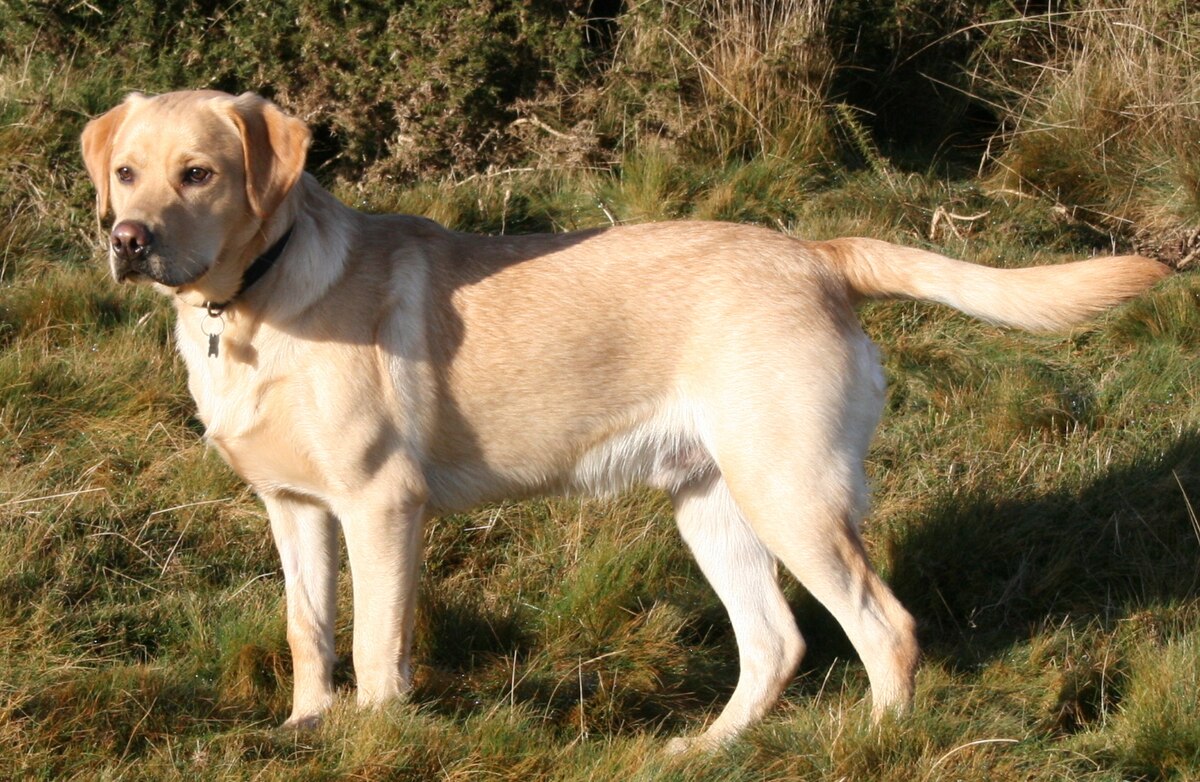
Arthritis (also called osteoarthritis or degenerative joint disease) is a progressive condition where the cartilage that cushions joints breaks down, causing pain, inflammation, and reduced mobility. Unlike some conditions, arthritis cannot be cured, but it can be effectively managed.
Types of Arthritis in Dogs
- Osteoarthritis (OA): The most common type; degenerative wear-and-tear
- Rheumatoid arthritis: Autoimmune condition; rare in dogs
- Septic arthritis: Caused by joint infection
- Immune-mediated polyarthritis: Affects multiple joints due to immune dysfunction
Risk Factors
- Age: Risk increases significantly after age 7-8
- Size: Large and giant breeds are at higher risk
- Obesity: Extra weight accelerates joint wear
- Previous injury: Joint trauma increases arthritis risk
- Hip/elbow dysplasia: Abnormal joint development leads to early arthritis
- Genetics: Some breeds are predisposed
- Repetitive stress: Working and athletic dogs
Symptoms of Arthritis
Dogs hide pain instinctively, so symptoms may be subtle. Watch for these signs.
Common Symptoms
- Stiffness, especially after rest or in the morning
- Difficulty rising from lying down
- Reluctance to climb stairs, jump, or play
- Limping or favoring one leg
- Decreased activity or stamina
- Lagging behind on walks
- Muscle loss in affected limbs
Behavioral Changes
- Irritability or aggression when touched
- Reluctance to be petted in certain areas
- Sleeping more than usual
- Accidents in the house (difficulty getting outside)
- Licking, chewing, or biting at joints
- Decreased interest in activities they used to enjoy
Physical Signs
- Swollen or warm joints
- Audible clicking or grinding (crepitus)
- Reduced range of motion
- Muscle wasting (atrophy)
- Changes in posture or gait
When to See a Vet
Schedule a veterinary appointment if your dog shows persistent stiffness, limping that doesn't improve with rest, difficulty with daily activities, or any signs of pain. Early intervention can slow disease progression and improve comfort.
Diagnosis
Your veterinarian will use several methods to diagnose arthritis.
- Physical examination: Checking joints for pain, swelling, and range of motion
- Gait analysis: Observing how your dog walks and moves
- X-rays: Revealing joint changes, bone spurs, and cartilage loss
- Joint fluid analysis: Ruling out infection or immune-mediated causes
- Blood tests: Checking for systemic inflammation or other conditions
- Advanced imaging: CT or MRI for complex cases
Treatment Options
Effective arthritis management typically involves multiple approaches working together.
Medications
NSAIDs (Non-Steroidal Anti-Inflammatory Drugs)
First-line treatment for arthritis pain and inflammation.
- Carprofen (Rimadyl)
- Meloxicam (Metacam)
- Deracoxib (Deramaxx)
- Firocoxib (Previcox)
- Grapiprant (Galliprant) - newer, targets specific pain pathways
Important: Never give human NSAIDs (ibuprofen, naproxen) to dogs - they are toxic.
Other Pain Medications
- Gabapentin: Nerve pain modifier, often combined with NSAIDs
- Tramadol: Opioid-like pain relief for breakthrough pain
- Amantadine: Helps with chronic pain sensitization
Disease-Modifying Osteoarthritis Drugs
- Adequan (polysulfated glycosaminoglycan): Injectable medication that may help protect cartilage
- Librela (bedinvetmab): Monthly injection targeting nerve growth factor for pain relief
Joint Supplements
While evidence varies, many pet owners and veterinarians report benefits from.
- Glucosamine: Building block for cartilage
- Chondroitin sulfate: Helps maintain cartilage elasticity
- MSM (methylsulfonylmethane): Anti-inflammatory properties
- Omega-3 fatty acids: Reduces joint inflammation
- Green-lipped mussel: Natural source of joint-supporting compounds
- Hyaluronic acid: Supports joint fluid viscosity
Physical Therapy and Rehabilitation
- Hydrotherapy: Swimming or underwater treadmill for low-impact exercise
- Therapeutic exercises: Controlled movements to maintain range of motion
- Massage therapy: Reduces muscle tension and improves circulation
- Laser therapy: Cold laser to reduce inflammation and pain
- Acupuncture: May help with pain management
- TENS therapy: Electrical stimulation for pain relief
Weight Management
Maintaining a healthy weight is one of the most important things you can do for an arthritic dog.
- Extra weight puts additional stress on already damaged joints
- Studies show that even modest weight loss can significantly improve mobility
- Work with your vet to determine ideal weight and appropriate diet
- Consider prescription weight management foods if needed
Environmental Modifications
- Orthopedic bed: Memory foam or supportive bedding for joints
- Non-slip surfaces: Rugs and mats on slippery floors
- Ramps: For getting on furniture, in cars, or up stairs
- Raised food/water bowls: Reduce neck strain
- Pet stairs: For accessing beds or couches
- Heated beds: Warmth soothes sore joints
Exercise Guidelines
- Short, frequent walks rather than long, strenuous ones
- Consistent daily exercise routine
- Swimming or water therapy when possible
- Avoid high-impact activities (jumping, rough play)
- Let your dog set the pace
- More activity on good days, less on bad days
- Warm up with gentle movement before walks
Daily Comfort Tips
- Warm compress before activity to loosen joints
- Cold compress after activity if inflammation occurs
- Gentle massage of affected areas
- Keep nails trimmed for better traction and gait
- Provide easy access to water (multiple locations)
- Consider a harness with handle for mobility assistance
Newer and Alternative Treatments
- Stem cell therapy: Injecting dog's own stem cells into joints
- Platelet-rich plasma (PRP): Concentrated healing factors from blood
- Extracorporeal shockwave therapy: Sound waves to promote healing
- CBD products: Some owners report benefits; limited veterinary research
- Adequan injections: May help protect remaining cartilage
What to Track
- Activity levels and exercise tolerance
- Stiffness duration in the morning
- Limping patterns
- Appetite and weight
- Behavior changes
- Response to medications
Regular Veterinary Care
- Follow-up exams every 3-6 months for arthritic dogs
- Blood work monitoring if on long-term NSAIDs
- Periodic X-rays to assess progression
- Medication adjustments as needed
Prognosis
While arthritis is progressive and cannot be cured, proper management can.
- Significantly reduce pain and improve comfort
- Maintain mobility and quality of life
- Slow disease progression
- Allow dogs to enjoy active lives for years
Ask About Arthritis Management
Have questions about managing your dog's arthritis or joint pain? Our AI assistant can help you understand treatment options and what to discuss with your veterinarian.
Editorial and clinical review
This article was written by the Pet Care Helper AI editorial team and reviewed by Paul Paradis, editorial lead. We describe our verification workflow on the medical review process page and the clinical reference set on the editorial team page.
References checked for this page:
- Cornell Riney Canine Health Center — canine research reference
- ACVIM Consensus Statements — internal medicine standards
- AAHA Clinical Practice Guidelines — primary-care standards
- Merck Veterinary Manual — clinical reference
Disagree with something on this page? corrections@petcarehelperai.com — see the corrections log for how we handle published fixes.