Best Food for Manx Cats: Nutrition Guide
This page is educational reference material for preparing questions. A licensed veterinarian examines the animal, makes the diagnosis, and sets the treatment.
Top rated cat food for Manx cats. Diet recommendations for their short coat, moderate energy needs, and common concerns like Manx syndrome.
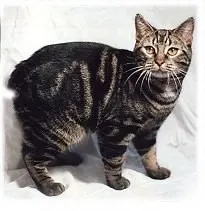
Nutritional Needs of Manxs
As a medium cat breed with moderate energy levels, the Manx has specific nutritional requirements that differ from other cats. Understanding these needs is key to keeping your Manx healthy throughout their 8-14 yrs lifespan.
Manxs typically weigh 8-12 lbs and need approximately 200–350 calories per day, depending on age, activity level, and metabolism. With moderate energy levels, most Manxs do well on standard feeding guidelines for their size.
Health Awareness: Manxs show elevated breed-level risk for Manx syndrome, arthritis, constipation. Your vet can build a screening interval around those specific conditions; early-stage findings almost always give you more treatment options than advanced-stage ones.
Daily Feeding Guidelines
| Life Stage | Daily Amount | Meals Per Day | Calories |
|---|---|---|---|
| Kitten (2-6 months) | Measured kitten food; adjust by weight and label guidance | 3-4 | Often 200-350, depending on growth |
| Kitten (6-12 months) | Measured kitten food with body-condition checks | 2-3 | Often 250-400 for active juveniles |
| Adult | Measured wet or dry food based on ideal weight | 2+ | Usually 200-350, adjusted for activity |
| Senior (7+ years) | Vet-guided portions if weight, kidney, or dental issues appear | 2+ | Often 180-300, individualized |
Health-Specific Diet Considerations
Manxs are prone to several health conditions that can be managed or prevented through proper nutrition.
- Manx Syndrome: Look for foods with nutrients that support Manx syndrome management
- Arthritis: Look for foods with glucosamine, chondroitin, and omega-3 fatty acids for joint support
- Constipation: Look for foods with nutrients that support constipation management
Best Protein Sources for Manxs
- Chicken and turkey: Lean, easily digestible proteins ideal for most Manxs
Foods to Avoid
Never feed your Manx these dangerous foods.
- Macadamia nuts and alcohol
- Cooked bones (splintering risk)
Supplements Worth Considering
Based on Manx-specific health concerns, these supplements may benefit your cat.
- Glucosamine: Supports joint health as your Manx ages
Wet Food vs Dry Food for Manxs
Both wet and dry food have advantages for Manxs.
- Mixed feeding: Many Manx owners find success combining both for balanced nutrition and variety
Feeding Mistakes to Avoid
Common feeding errors that Manx owners make include:
- Overuse of treats: Treats should make up no more than 10% of your Manx's daily caloric intake. Many training treats are high in calories, so adjust meal portions accordingly.
- Ignoring body condition: Use the body condition score (BCS) system to assess your Manx's weight rather than relying solely on scale numbers. You should be able to feel the ribs without pressing hard.
Age-Specific Nutrition Considerations
Your Manx's nutritional needs change significantly throughout their life.
Adult stage (1-7 years): Maintain a consistent feeding routine with measured portions. Monitor weight monthly and adjust food amounts based on activity level, seasonal changes, and body condition. Adult Manxs benefit from a protein content of 22-30%.
Senior stage (7+ years): Older Manxs may need fewer calories but higher-quality protein to maintain muscle mass. Senior formulas often include joint-supporting nutrients like glucosamine and chondroitin, plus antioxidants for cognitive health. Watch for changes in appetite.
More Manx Guides
Continue learning about Manx care with these comprehensive breed-specific guides.
- Manx Pet Insurance Cost
- Manx Grooming Guide
- Manx Health Issues
- Manx Temperament & Personality
- Manx Cost of Ownership
- Adopt a Manx
- Manxs and Children
- Manx Lifespan Guide
How much should I feed my Manx?
Adult Manxs typically need a measured daily ration based on ideal weight, calorie density, and body condition, split into two or more meals. Adjust based on your cat's activity level, age, and body condition score.
What is the best food brand for Manxs?
Choose a complete and balanced food with an AAFCO statement for the cat's life stage, and follow any diet your veterinarian prescribes.
Should I feed my Manx grain-free food?
Manx syndrome is a spinal malformation, and grain-free food does not change the spine. Some Manx cats also have trouble with constipation from that anatomy, which the veterinarian manages. Measure a Manx's complete food to body condition, and tell the veterinarian if stool quality changes. A grain allergy is uncommon in Manx cats and is a clinic diagnosis.