Australian Shepherd Pet Insurance
This page is educational reference material for preparing questions. A licensed veterinarian examines the animal, makes the diagnosis, and sets the treatment.
Compare the best pet insurance plans for Australian Shepherds. Coverage for hip dysplasia, epilepsy, cataracts, average premiums, and which plans offer the best value.
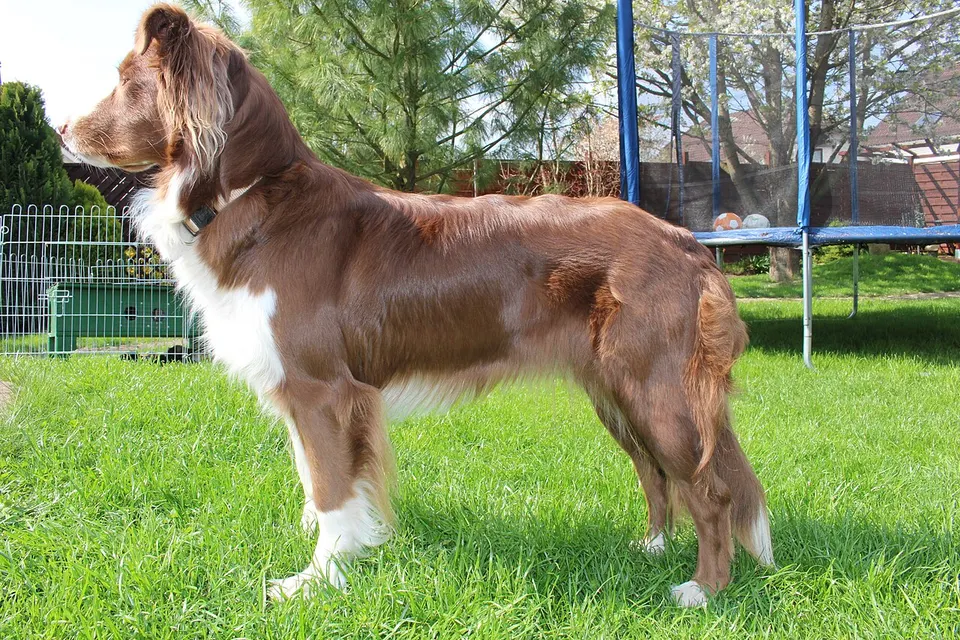
Australian Shepherd Pet Insurance Overview
Pet insurance for Australian Shepherds is particularly important given their predisposition to hip dysplasia, epilepsy, cataracts.
Australian Shepherd premiums are dog premiums. MDR1 drug sensitivity, hip dysplasia, idiopathic epilepsy, hereditary cataracts, and collie eye anomaly are the claims, and they are not one operation.
Known Health Risks: Genetic screening data shows Australian Shepherds have elevated rates of hip dysplasia, epilepsy, cataracts. Prevalence figures describe averages across a breed, not any one animal. A veterinarian familiar with breed-specific risk patterns is simply better positioned to catch exceptions early.
Why Australian Shepherds Need Insurance
Here are the most common and expensive health conditions in Australian Shepherds.
| Condition | Average Treatment Cost | Covered by Insurance? |
|---|---|---|
| Hip Dysplasia | $3,500–$7,000 | Yes (accident & illness plans) |
| Epilepsy | $1,000–$3,000 | Yes (accident & illness plans) |
| Cataracts | $1,500–$4,000 | Yes (accident & illness plans) |
What to Look for in an Australian Shepherd Insurance Plan
When comparing pet insurance for your Australian Shepherd, prioritize these features.
- Coverage for breed-specific conditions: Ensure Hip Dysplasia, Epilepsy, Cataracts are not excluded
Best Time to Insure Your Australian Shepherd
Enroll your Australian Shepherd as early as possible — ideally as a puppy or kitten. Pre-existing conditions are never covered, so insuring before health issues develop is critical. Australian Shepherds are prone to hip dysplasia, which can develop at any point in their life.
Insurance Cost Breakdown
| Plan Type | Monthly Cost | What's Covered |
|---|---|---|
| Accident Only | $16.10/month US average | Injuries, emergencies, broken bones, poisoning |
| Accident & Illness | $62.44/month US average | Everything above plus diseases, cancer, chronic conditions |
| Comprehensive + Wellness | Wellness rider, priced separately | Everything above plus routine care, vaccines, dental |
Filing Claims and Maximizing Coverage
Comparing Top Insurance Providers for Australian Shepherds
- Cover hereditary and congenital conditions common in Australian Shepherds
The average Australian Shepherd owner saves $3,000-$8,000 over their dog's lifetime with comprehensive insurance, particularly when breed-specific conditions like hip dysplasia and epilepsy and cataracts require treatment.
More Australian Shepherd Guides
Explore related topics for Australian Shepherd ownership.
- How to Train an Australian Shepherd
- Australian Shepherd Grooming Guide
- Australian Shepherd Health Issues
- Australian Shepherd Exercise Needs
- Australian Shepherd Cost of Ownership
- Adopt an Australian Shepherd
Hip and Joint Health Management
How much does Australian Shepherd pet insurance cost?
NAPHIA's 2025 State of the Industry report, compiled by Willis Towers Watson from year-end 2024 premiums, puts US dog accident-and-illness coverage at $62.44 a month ($749.29 a year) and accident-only coverage at $16.10 a month. Enrollment age, ZIP code, deductible, reimbursement percentage, and annual limit set the quote. For an Australian Shepherd, the claims that move the quote are idiopathic epilepsy, collie eye anomaly, and MDR1 drug sensitivity.
Is pet insurance worth it for an Australian Shepherd?
Idiopathic epilepsy in an Australian Shepherd is anticonvulsant medication. Collie eye anomaly is not repaired with one surgery, and MDR1 is a drug-choice problem. Hereditary cataracts can be removed if the retina works. Hip dysplasia stays medical unless the joint needs a replacement or a femoral head ostectomy.
What pre-existing conditions affect Australian Shepherd insurance?
Any condition diagnosed before enrollment is excluded. For Australian Shepherds, common pre-existing concerns include hip dysplasia and epilepsy. Early enrollment is key.