Manchester Terrier
This page is educational reference material for preparing questions. A licensed veterinarian examines the animal, makes the diagnosis, and sets the treatment.
Affiliate links may earn a commission. Affiliate disclosure.
Quick Facts
| Attribute | Details |
|---|---|
| Breed Group | Terrier (Standard) / Toy (Toy variety) |
| Size | Standard: 12-22 lbs; Toy: under 12 lbs |
| Height | Standard: 15-16 inches; Toy: 10-12 inches |
| Lifespan | 15-17 years |
| Temperament | Spirited, Intelligent, Devoted |
| Good with Kids | Good (with older children) |
| Good with Other Dogs | Good (with proper socialization) |
| Shedding | Low |
| Exercise Needs | Moderate (45-60 min daily) |
| Trainability | Very Good |
Recommended for Manchester Terriers
The Farmer's Dog - Fresh food for active terriers | Embark DNA - Health screening for genetic conditions | Spot Insurance - Coverage for breed-specific conditions
Manchester Terrier Overview
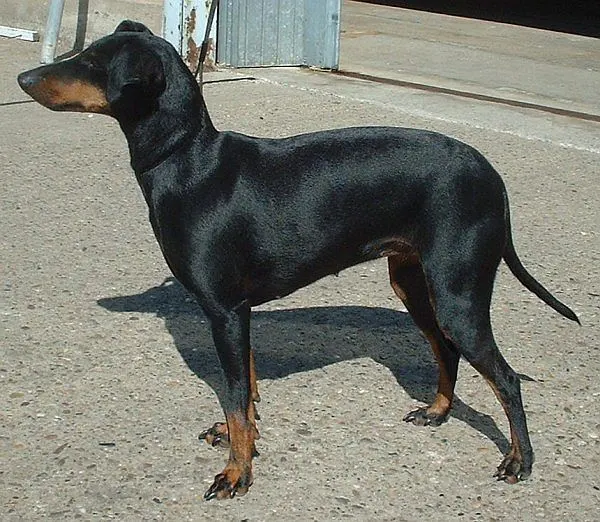
The Manchester Terrier is one of the oldest identifiable terrier breeds, developed in Manchester, England in the 19th century by crossing the old Black and Tan Terrier with Whippets. The result was an elegant, athletic rat-catching dog that also excelled in the sport of rat-pit competitions.
Today, Manchester Terriers come in two varieties - Standard and Toy - that are considered separate breeds by the AKC. Both share the same sleek black and tan coat, athletic build, and spirited personality. They are known for their keen intelligence, devoted nature, and cat-like cleanliness, making them excellent companions for those who appreciate a refined, athletic terrier.
The Manchester Terrier is a breed that commands attention not just for its physical appearance but for the depth of personality and capability it brings to a household. With a lifespan averaging 15-17 years, the decision to welcome a Manchester Terrier into your family is one that will shape your daily routine, activity levels, and emotional life for well over a decade. This breed's spirited, intelligent, devoted temperament is the product of generations of selective breeding for specific traits—understanding this heritage provides valuable insight into why your Manchester Terrier behaves the way it does and what it needs from you as an owner to truly thrive.
Exceptional Manchester Terrier care starts with understanding, not just affection. Knowing why your Manchester Terrier behaves the way it does — what instincts drive its daily patterns, what environments suit it best, what stressors to avoid — makes every care decision more effective.
Sharing your space with a Manchester Terrier means making room — literally and figuratively — for their specific needs. Owners who recognize this early and plan for it tend to have a much smoother experience than those who expect the Manchester Terrier to simply fit into their existing routine unchanged.
Temperament & Personality
Manchester Terriers have a distinctive personality.
- Intelligent: Quick learners who excel in training and problem-solving.
- Devoted: Form strong bonds with their owners and can be one-person dogs.
- Alert: Excellent watchdogs who will alert to anything unusual.
- Spirited: Maintain terrier fire while being more refined than some terriers.
- Cat-Like: Known for their cleanliness and dignified bearing.
- Reserved: Can be aloof with strangers until properly introduced.
The spirited, intelligent, devoted nature of the Manchester Terrier is not a simple personality label—it is a complex behavioral profile shaped by breed history, individual genetics, early socialization experiences, and ongoing environmental factors. What this means in practice is that two Manchester Terrier from different lines, raised in different environments, can display meaningfully different behavioral tendencies while still sharing core breed characteristics.
A veterinarian who knows your Manchester Terrier will see variables an article cannot; treat their input as the final adjustment.
Common Health Issues
Manchester Terriers are generally healthy with some concerns.
Genetic Conditions
- Von Willebrand's Disease: A blood clotting disorder found in the breed. DNA testing available.
- Pattern Baldness: Hair loss can occur, especially in females.
Other Concerns
- Juvenile Cardiomyopathy: Heart condition in young dogs.
- Legg-Calve-Perthes Disease: Hip joint degeneration (more common in Toys).
- Patellar Luxation: Kneecap displacement (more common in Toys).
- Hypothyroidism: Thyroid issues can occur.
- Heat Sensitivity: Their thin coat provides minimal insulation.
Health Screening Recommendation
Before getting a Manchester Terrier, ask breeders for VWD DNA testing, thyroid screening, and cardiac evaluations. Consider Embark DNA testing to screen for genetic health conditions.
Good health outcomes for a Manchester Terrier depend less on reacting to problems and more on preventing them from gaining a foothold.
Cost of Ownership
Understanding the full cost helps prepare for Manchester Terrier ownership.
| Expense Category | Annual Cost Estimate |
|---|---|
| Food (premium quality) | $250-$450 |
| Veterinary Care (routine) | $250-$500 |
| Pet Insurance | $300-$550 |
| Grooming | $100-$200 |
| Training (first year) | $150-$500 |
| Supplies & Toys | $150-$300 |
| Total Annual Cost | $1,200-$2,500 |
One of the more practical financial habits for Manchester Terrier ownership is maintaining a small emergency reserve.
Exercise & Activity Requirements
Manchester Terriers need moderate exercise.
- Daily Exercise: 45-60 minutes of activity
- Walks: Daily walks with opportunities to explore
- Running: Can be jogging companions
- Dog Sports: Excel at agility, obedience, and barn hunt
- Mental Stimulation: Puzzle toys and training
- Indoor Play: Can exercise indoors in bad weather
Training Tips for Manchester Terriers
Manchester Terriers are highly trainable.
- Positive Methods: Respond best to reward-based training
- Consistency: Clear rules prevent testing of boundaries
- Early Socialization: Important to overcome natural reserve
- Mental Challenges: Enjoy learning new things
- Short Sessions: Keep training engaging and varied
- Recall Training: Important due to prey drive
Nutrition & Feeding
Proper nutrition supports Manchester Terrier health.
- Quality Protein: Essential for their athletic build
- Appropriate Size Formula: Toy vs Standard size considerations
- Portion Control: Monitor weight carefully
- Two Meals Daily: Better than free feeding
- Omega Fatty Acids: Support coat health
- Fresh Water: Always available
Top Food Choices for Manchester Terriers
The Farmer's Dog - Fresh, balanced meals | Ollie - Custom portions for your dog's size | Hill's Science Diet - Size-appropriate formulas
Feeding a Manchester Terrier well is less about following trends and more about paying attention to your specific animal. Some Manchester Terriers do great on standard kibble; others need a different approach due to allergies, sensitivities, or individual metabolism. Work with your vet to find what works, and be willing to adjust as your Manchester Terrier's needs change with age.
Grooming Requirements
Manchester Terriers have minimal grooming needs: Households that lean into Manchester Terrier-specific learning at the start reliably spend less on fixing problems further in.
- Brushing: Weekly brushing with rubber brush or hound glove
- Bathing: Monthly or as needed
- Nail Trimming: Every 2-3 weeks
- Ear Cleaning: Weekly checks
- Dental Care: Regular brushing recommended
- Cold Weather: Need jackets in winter
Is a Manchester Terrier Right for You?
Experienced Manchester Terrier owners often cite this as the factor they wish they had taken more seriously at the start.
Manchester Terriers Are Great For:
- Those seeking a low-maintenance, elegant terrier
- Active individuals or couples
- People who appreciate a devoted, loyal companion
- Apartment dwellers (with adequate exercise)
- Those interested in dog sports
Manchester Terriers May Not Be Ideal For:
- Families with very young children
- Those wanting an immediately friendly dog with strangers
- Cold climates without proper protection
- Homes with small pets
- Those wanting a calm, quiet lap dog
A Manchester Terrier comes in standard and toy sizes, both sleek, short-coated, and built to hunt. They are not a soft lap dog even at toy weight. They need a run and a secure yard because prey drive does not retire. von Willebrand disease has been reported in the breed, so ask about clotting status before a surgery is scheduled.
Life with a Manchester Terrier settles into a rhythm that many owners find surprisingly grounding. The routine of care — regular feeding, home environment management, attentive observation — becomes a steady thread through your day. Over months and years, that thread weaves into something meaningful: a genuine partnership built on trust and mutual familiarity.
Related Breeds to Consider
If you're interested in Manchester Terriers, you might also consider.
- Miniature Pinscher - Similar appearance, different heritage
- Rat Terrier - Similar size and energy
- Toy Fox Terrier - Similar size (Toy variety)
- Whippet - Similar elegance, different temperament
Ask Our AI About Manchester Terriers
Think of this as the knowledge layer that most Manchester Terrier owners skip and later wish they had started with. No two Manchester Terrier behave exactly alike, so let your own pet's cues guide the small adjustments that matter.
Related Health & Care Guides
Generic guidance is a floor; it is the Manchester Terrier-specific nuance that raises the ceiling on outcomes.
Get Personalized AI Guidance
Ask Our AI NowDecision Guides for Manchester Terrier
Use these only when comparing food, insurance, ownership budget, or beginner fit for this specific pet.