Rex Guinea Pig
This page is educational reference material for preparing questions. A licensed veterinarian examines the animal, makes the diagnosis, and sets the treatment.
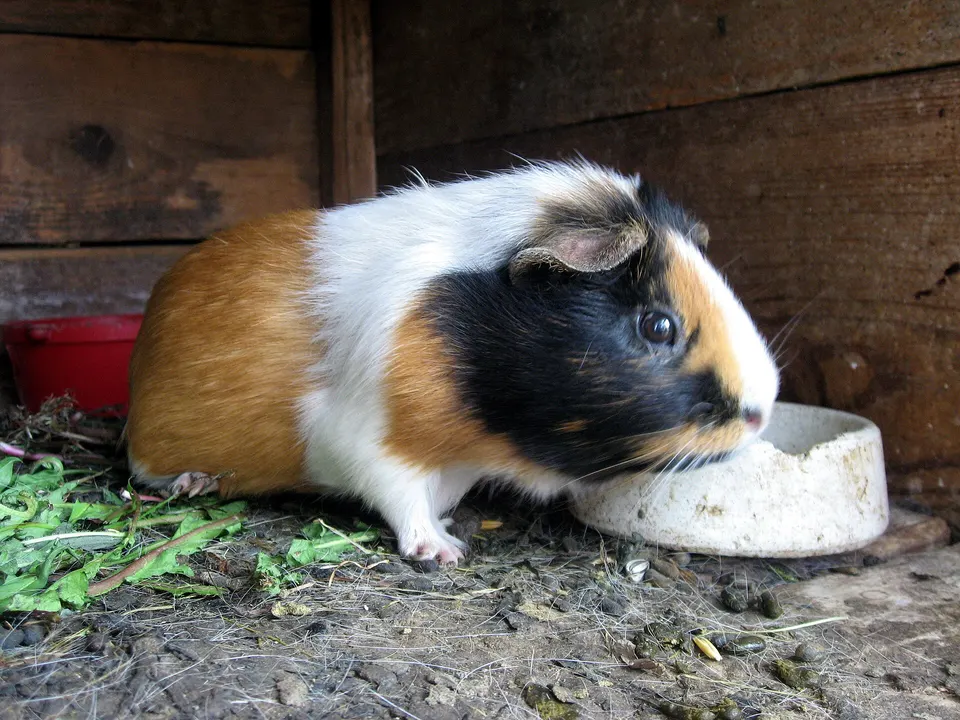
Affiliate links may earn a commission. Affiliate disclosure.
Quick Facts
| Attribute | Details |
|---|---|
| Type | Guinea Pig |
| Size | 1.5-2.5 lbs |
| Lifespan | 5-7 years |
| Temperament | Friendly, Social |
| Difficulty | Beginner |
| Origin | South America |
Rex Guinea Pig Overview
A rex guinea pig is a guinea pig with a short, dense coat produced by a rex gene, and it is not a rex rabbit. The coat has rosettes, the swirls where the hair changes direction. Size on the card is 1.5-2.5 lbs. Lifespan is 5-7 years. Origin is South America. Temperament is friendly and social. Difficulty is beginner. The rabbit called a rex is a different species with a velvet coat and no vitamin C requirement. A rex guinea pig is still Cavia porcellus. The gene changed the hair. It did not turn the animal into a rabbit.
Because the coat is short and dense, the skin is more exposed than on a long-haired cavy. Rosettes part the hair and leave little windows of skin. Wire floors, rough edges, and strong sun reach that skin faster than they reach a coated breed that hides it. Look at the rosettes when you handle the pig, not only at the back. Bald patches, scabs, or a sore under a swirl are easy to miss if you only pet the plush direction of the coat. Beginner care includes that look. The coat does not need the daily combing a Peruvian needs, and it still needs eyes on the skin.
The diet is the guinea pig diet, whatever the rex gene did to the hair. They need vitamin C because guinea pigs do not make it. Hay is the staple that keeps the teeth and the gut moving. Pellets made for guinea pigs, plus vegetables, are the usual way to cover vitamin C without inventing a dose in this paragraph. A rex rabbit pellet, a rabbit mix, or a vitamin C plan copied from a rabbit will not do. Fruit is a treat. A sticky coat on a short rex is less dramatic than on a longhair, and the missing vitamin C is just as serious. Five to 7 years is a long time to feed the wrong species' food.
Friendly and social means they want company of their own kind. A single rex guinea pig in a cage next to a rex rabbit is not a social life. Pair them with another guinea pig, with enough floor that the two can pass each other. Activity is not listed as a separate high-energy job on this card. They still move, popcorn, and use the space you give them. A carrier-sized cage is a poor match for a 1.5-2.5 lb animal you intend to keep 5-7 years. The short coat is not a reason to shrink the pen.
South America, on the card, is the origin of the guinea pig, not a climate you have to recreate in the living room. They handle ordinary household temperatures and suffer in heat. A rex coat does not add the heat tolerance people imagine when they hear short hair. Shade, airflow, and water still matter on a hot day. The dense coat can also hide a wet belly if the bedding is soaked. Friendly handling should include a hand under the belly so you notice damp skin before it scalds.
Every Rex Guinea Pig is an individual.
Temperament & Behavior
Costs on the card are initial setup $100-$500+, animal purchase $10-$500+, annual food and bedding $150-$500, and annual vet care $50-$200. The annual food range has to buy hay for 5-7 years, not a sack of mixed seed. Vitamin C is in the diet, not in a once-a-year purchase. The vet range is a planning number. A guinea pig that stops eating still needs a clinic that will see cavies, and that visit does not wait because the difficulty line says beginner. Setup money is the pen and the hay storage. It is not a rabbit hutch with a wire floor.
Read the animal as a short-coated guinea pig with rosettes. The rex gene made the coat dense and left the skin easier to see and easier to injure. It did not make a rex rabbit, and it did not cancel vitamin C or hay. Friendly and social, beginner, South America, 1.5-2.5 lbs, 5-7 years: those are the card. The welfare additions are the exposed skin, a solid floor, and a companion of the same species. Pet the rosettes backward once in a while so you are looking at skin, not only at plush.
Housing & Environment Requirements
Provide an appropriately sized habitat for your Rex Guinea Pig. Guinea pigs need a minimum 7.5 square feet of living space (more is better). They are social animals and do best in pairs or small groups.
Diet & Nutrition
Unlimited timothy hay, daily vitamin C-rich vegetables (guinea pigs cannot produce their own vitamin C), quality pellets, and fresh water. Bell peppers and dark leafy greens are excellent choices.
When it comes to Rex Guinea Pig nutrition, simplicity usually wins. A well-formulated food that meets your Rex Guinea Pig's specific needs is better than a rotation of trendy diets. Focus on protein quality, calorie appropriateness for your Rex Guinea Pig's size and activity level, and avoiding ingredients your Rex Guinea Pig does not tolerate well. The rest is marketing.
First ingredient should be a specific animal protein. Calorie content per cup helps you portion correctly for your Rex Guinea Pig's size.
Common Health Issues
Research common health concerns specific to Rex Guinea Pigs and find a veterinarian experienced with this species before bringing one home. Early veterinary intervention is crucial as small animals can deteriorate quickly.
Good health outcomes for a Rex Guinea Pig depend less on reacting to problems and more on preventing them from gaining a foothold.
DNA-based health screening has become increasingly accessible for Rex Guinea Pig owners who want a clearer picture of what their individual animal may face down the road.
As your Rex Guinea Pig moves through the middle stage of life, proactive adjustments make a measurable difference. The goal is not to slow aging itself, but to ensure that each stage is met with care that actually matches where your Rex Guinea Pig is, not where they were two years ago.
Grooming & Maintenance
Beginner-Friendly Rating: Beginner
Rex Guinea Pigs are excellent for newcomers to small-animals keeping.
Before acquiring a Rex Guinea Pig, research thoroughly and prepare the habitat in advance. Join online communities and forums dedicated to exotic pet keeping to connect with experienced keepers who can offer guidance specific to Rex Guinea Pig care.
Socialization & Enrichment
Environmental enrichment is essential for Rex Guinea Pigs to thrive in captivity. Rotating enrichment items keeps the environment novel and stimulating. Social species should ideally be kept in compatible pairs or small groups.
Always wash hands before and after handling any pet. Learn to read your Rex Guinea Pig's body language to understand when they are comfortable, stressed, or unwell.
Where to Find Rex Guinea Pigs
Find Rex Guinea Pigs through reputable breeders, specialty pet shops, or rescue organizations. Ensure any animal you acquire appears healthy, alert, and well-cared-for. Online communities can help connect you with responsible sources in your area.
Cost of Ownership Overview
| Expense | Estimated Cost |
|---|---|
| Initial Setup (habitat + supplies) | $100-$500+ |
| Animal Purchase | $10-$500+ |
| Annual Food & Bedding | $150-$500 |
| Annual Vet Care | $50-$200 |
One of the more practical financial habits for Rex Guinea Pig ownership is maintaining a small emergency reserve.
Expect the first year of Rex Guinea Pig ownership to carry the heaviest financial load. That initial period bundles together a wave of one-time costs — an appropriate enclosure, bedding, an initial vet checkup, feeding supplies, and enrichment accessories — that will not repeat. Once you clear that first-year hurdle, the ongoing baseline drops to food, bedding, routine health checks, and enrichment supplies.
Regular health assessments for your Rex Guinea Pig are an investment, not an expense. The conditions most likely to be caught at a routine checkup — early-stage illness, dental issues, and nutritional imbalances — tend to be far more manageable when identified before they produce noticeable symptoms.
Daily Care Routine for Rex Guinea Pigs
Establishing a consistent daily care routine ensures your Rex Guinea Pig stays healthy and thriving. Provide fresh hay and vegetables daily.
Common Questions About Rex Guinea Pigs
Think of this as the knowledge layer that most Rex Guinea Pig owners skip and later wish they had started with. Observe closely during the first month; your Rex Guinea Pig will tell you which parts of the routine to keep.
Are Rex Guinea Pigs good pets for children?
With proper adult supervision, Rex Guinea Pigs can be appropriate pets for responsible children. They teach valuable lessons about animal care and responsibility.
How much space do Rex Guinea Pigs need?
Rex Guinea Pigs require an appropriately sized habitat that meets their specific needs. A minimum of 7.5 square feet for one guinea pig, with additional space for each additional pig. C&C (cubes and coroplast) cages are popular for providing ample space at reasonable cost.
How long do Rex Guinea Pigs live?
Rex Guinea Pigs typically live 5-7 years with proper care. Consider the time commitment before acquiring any pet.
What veterinary care do Rex Guinea Pigs need?
Find a veterinarian experienced with Rex Guinea Pigs before bringing one home. Annual wellness exam (AAHA Preventive Healthcare Guidelines are recommended for most species.
Long-Term Commitment & Responsible Ownership
Owning a Rex Guinea Pig is a commitment for the animal's full lifespan of 5-7 years.
Identify pet sitters experienced with Rex Guinea Pigs, connect with online and local communities, and ensure you have emergency veterinary access. Teaching responsible pet ownership to children through proper care of a Rex Guinea Pig creates lasting values about compassion and commitment.
Get Personalized Rex Guinea Pig Guidance
Have specific questions about your Rex Guinea Pig?
Ask Our AI NowDecision Guides for Rex Guinea Pig
Use these only when comparing food, insurance, ownership budget, or beginner fit for this specific pet.
Is a Rex Guinea Pig Right for You?
Rex Guinea Pig May Be Great For:
- A keeper who wants a rex coat and will still feed vitamin C and hay like any guinea pig
- Someone who knows the wiry coat does not protect the skin as well from sun and rough bedding
- An owner who will house them with a matched friend. Guinea pigs are social
Rex Guinea Pig May Not Be Ideal For:
- A buyer who thinks rex means low maintenance
- A cedar cage and a water-bottle-only diet with no hay
- Anyone who will keep one guinea pig alone for its whole life
A Rex guinea pig has a short, dense, curly coat that still needs checking for skin problems, plus the same non-negotiables as any cavy: unlimited hay, daily vitamin C, and a companion. The Rex coat does not protect them from scurvy. A pig that hops instead of walks, or drools, needs a dental and vitamin check. Keep the cage large and the bedding dry so the short coat does not sit in ammonia.
The Rex Guinea Pig has a particular way of winning people over through sheer expressiveness — the low rumbling purr when you hit the right spot behind the ears, the explosive popcorning leap that signals pure contentment, the insistent wheek that greets you the moment you open the refrigerator. Their dense, velvety coat feels unlike any other guinea pig variety and invites the kind of casual handling that both animal and owner seem to enjoy equally. Keepers who establish a consistent daily routine report that their Rex pigs become remarkably trusting and will actively seek lap time rather than merely tolerating it.