Californian Rabbit
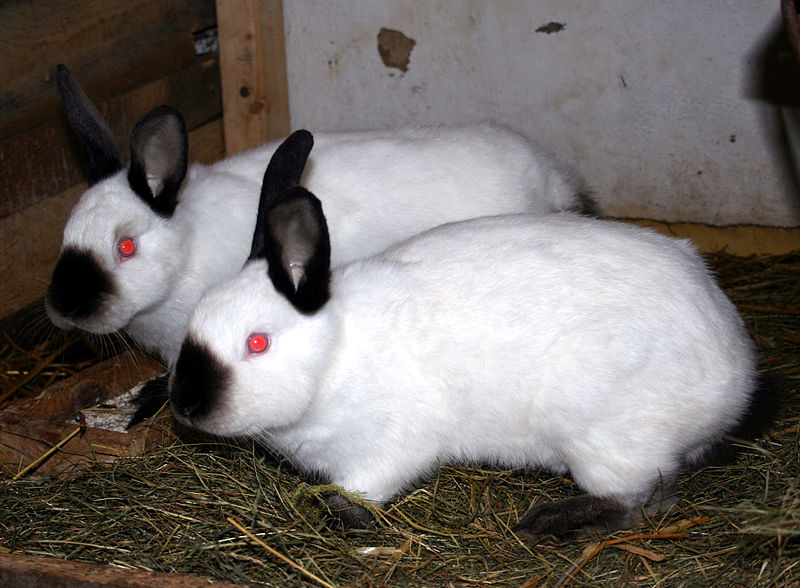
Quick Facts
| Attribute | Details |
|---|---|
| Type | Rabbit |
| Size | Large (8-11 lbs) |
| Lifespan | 5-10 years |
| Diet | Hay, pellets, vegetables |
| Social Needs | Social - pairs/groups |
| Activity Level | Moderate |
| Care Level | Beginner |
| Space Requirements | 4x2 ft minimum |
Recommended for Californian Rabbits
Work with your exotic veterinarian to fine-tune these recommendations based on your Californian Rabbit's weight, activity level, and any health considerations.
Californian Rabbit Overview
The Californian Rabbit is a large (8-11 lbs) rabbit that makes an excellent pet for beginners and families. With a lifespan of 5-10 years, they are a significant long-term commitment. Their moderate activity level and social - pairs/groups social nature make them engaging and entertaining companions.
Californian Rabbits thrive with companionship and are best kept with compatible cage mates. Their diet of hay, pellets, vegetables is hay-based with supplemental pellets and fresh vegetables.
The Californian Rabbit is a rewarding small animal companion that brings unique characteristics to the household. With a lifespan of 5-10 years and a well-balanced temperament, the Californian Rabbit occupies a distinctive niche among small animals that appeals to a wide range of potential owners. However, the apparent simplicity of small animal care can be deceptive—these animals have specific physiological and behavioral needs that, when properly understood and addressed, result in a significantly healthier and more interactive pet than many first-time owners expect.
One of the most common misconceptions about Californian Rabbit is that they are low-maintenance starter pets requiring minimal interaction. In reality, Californian Rabbit are social, intelligent animals that benefit enormously from regular handling, environmental enrichment, and attentive daily care. Their well-balanced personality becomes most apparent when they feel secure in their environment and have developed trust with their handler—a process that requires patience, consistency, and an understanding of the species-specific body language and communication signals that Californian Rabbit use to express comfort, curiosity, fear, and contentment.
Housing Requirements
- Space: 4x2 ft minimum - always provide the largest enclosure possible.
- Type: Indoor pen, x-pen, or free-roam with bunny-proofing.
- Bedding: Paper-based bedding, fleece liners, or hay.
- Enrichment: Tunnels, platforms, chew toys, and digging boxes.
- Temperature: 60-70°F ideal; rabbits are sensitive to heat above 80°F.
- Cleaning: Spot-clean daily; full cleaning weekly.
Diet & Nutrition
- Primary Diet: Hay, pellets, vegetables.
- Hay: Unlimited timothy hay (80% of diet). Alfalfa only for babies under 6 months.
- Fresh Foods: Leafy greens daily; limited fruit as treats.
- Water: Fresh water always available via bottle or bowl (rabbits and guinea pigs often prefer bowls).
- Avoid: Iceberg lettuce, beans, potatoes, seeds, chocolate, and processed foods.
Learning to read a pet food label takes five minutes and will serve you for the life of your Californian Rabbit. Check that a named protein (chicken, beef, salmon — not "meat meal") is the first ingredient. Look at the guaranteed analysis for protein and fat percentages that match your Californian Rabbit's needs. Ignore marketing terms like "premium" and "gourmet" — they have no regulatory meaning. The species nutrition guidance statement on the back tells you whether the food is complete and balanced for a specific life stage, which is the information that actually matters.
Common Health Issues
- GI Stasis: A life-threatening condition where the digestive system slows or stops. Signs: not eating, no droppings. Requires immediate veterinary attention.
- Dental Disease: Teeth grow continuously; malocclusion causes pain and inability to eat. Hay helps wear teeth naturally.
- Respiratory Infections: Snuffles (Pasteurella) is common. Signs: sneezing, nasal discharge.
- Obesity: Overfeeding treats and under-exercising leads to obesity in most small animals.
Exotic Vet Care
Small animals are considered exotic pets and require a veterinarian experienced with their species. Find an exotic vet before you need one. Rabbits should be spayed/neutered for health and behavior benefits.
Handling & Taming
- Initial Adjustment: Allow 3-5 days to settle into their new home before handling.
- Approach: Never pick up by ears. Support hindquarters and front simultaneously.
- Bonding: Sit on the floor and let them approach you; many enjoy head petting.
- Exercise: Daily free-roaming time in bunny-proofed space.
Is a Californian Rabbit Right for You?
Master this layer of Californian Rabbit care and everything from feeding to vet visits becomes more predictable. Because each Californian Rabbit is its own animal, treat any general guideline as a starting point and refine from there.
Californian Rabbits Are Great For:
- First-time small pet owners
- Those willing to keep multiple animals
- Those who enjoy watching active, entertaining pets
- People who can commit to 5-10 years of care
Californian Rabbits May Not Be Ideal For:
- Those expecting a low-maintenance, cage-only pet
- Those wanting a completely quiet pet
- Those unable to provide regular care and interaction
- Very young children without adult supervision
Ask Our AI About Californian Rabbits
Have specific questions about Californian Rabbit care, health, or behavior? Our AI assistant can provide personalized guidance.
Whether a Californian Rabbit fits your life comes down to a few practical questions. How much time can you realistically spend on exercise, grooming, and training each day? Is your living space suitable? Can you afford both routine care and the occasional surprise vet bill over the next 5-10 years? If the honest answers line up, a Californian Rabbit can be a genuinely good match. If they don't, there is no shame in choosing a different small animal — or waiting until your circumstances change.
When to See the Vet
- Annual wellness exam (AAHA Preventive Healthcare Guidelines: Schedule at least one comprehensive checkup per year, or twice yearly for seniors over 7 years old.
- Behavioral changes: Sudden changes in appetite, energy level, social behavior, or elimination patterns often indicate underlying health issues.
- Digestive problems: Persistent vomiting, diarrhea, constipation, or blood in stool lasting more than 24 hours warrants a veterinary visit.
- Respiratory signs: Coughing, wheezing, labored breathing, or nasal discharge should be evaluated promptly by a veterinarian.
- Lumps and bumps: Any new or changing growths should be examined. While many are benign, early detection of cancerous masses improves treatment outcomes.
- Limping or pain: Reluctance to move, walk, or be touched in certain areas can indicate injury, arthritis, or other orthopedic conditions.
Diet and Nutrition Tips
- Quality ingredients: Choose foods with named animal proteins as the first ingredient. Avoid products with excessive fillers, artificial colors, and by-product meals.
- Life stage formula: Feed a diet appropriate for your Californian Rabbit's current life stage: juvenile, adult, or senior formulations are designed for specific nutritional needs.
- Portion control: Follow feeding guidelines based on ideal body weight, not current weight. Adjust portions based on activity level, age, and body condition.
- Fresh water: Provide clean, fresh water at all times. Change water daily and clean bowls regularly to prevent bacterial growth.
- Treats in moderation: Treats should comprise no more than 10% of daily caloric intake. Choose healthy options like small pieces of lean meat or vegetables.
- Supplements: Consult your veterinarian before adding supplements. Most high-quality commercial diets are nutritionally complete and do not require supplementation.
Exercise Requirements
Regular exercise is essential for your Californian Rabbit's physical health and mental well-being. Small animals are naturally active and need opportunities to run, explore, and play.
- Play area: Provide a safe, enclosed play area outside the cage for supervised exercise time. This allows running, jumping, and exploring that cage space cannot provide.
- Exercise wheel: For appropriate species, a properly sized exercise wheel provides important cardio activity. Ensure the wheel is solid-surfaced to prevent injury.
- Tunnels and hideouts: Create tunnel systems and exploration areas that encourage natural burrowing and exploring behaviors.
- Social play: Interact with your Californian Rabbit during exercise time. Gentle handling and interactive play strengthen your bond and provide mental stimulation.
- Daily minimum: Aim for at least 30-60 minutes of supervised exercise outside the cage each day for optimal health.
Training Advice
Effective training uses positive reinforcement to build desired behaviors while strengthening the bond between you and your Californian Rabbit. Start early and be consistent for the best results.
- Start early: Begin socialization and basic training as soon as your Californian Rabbit comes home. The first few months are a critical learning period.
- Positive methods: Reward desired behaviors with treats, praise, or play. Positive reinforcement is proven more effective and humane than punishment-based methods.
- Socialization: Expose your Californian Rabbit to various people, animals, sounds, and environments in a positive way during the early socialization window.
- Keep sessions short: Training sessions of 5-15 minutes are most effective. End before your Californian Rabbit becomes bored or frustrated.
- Consistency matters: Use the same commands and rules across all family members. Inconsistency confuses your Californian Rabbit and slows learning.
- Professional help: Do not hesitate to consult a certified professional trainer or behaviorist if you encounter challenges that home training cannot resolve.
Grooming Essentials
Regular grooming is about more than appearance. It maintains skin and coat health, allows you to check for abnormalities, and strengthens the bond between you and your Californian Rabbit.
- Brushing: Regular brushing removes loose hair, distributes natural oils, and prevents matting. Frequency depends on coat type, from daily for long coats to weekly for short coats.
- Bathing: Bathe your Californian Rabbit every 4-8 weeks or as needed using a species-appropriate shampoo. Overbathing strips natural oils from the coat and skin.
- Nail care: Trim nails every 2-4 weeks. If you hear nails clicking on hard floors, they are due for a trim. Keep styptic powder on hand in case of bleeding.
- Dental hygiene: Brush teeth several times weekly using pet-safe toothpaste. Dental disease affects over 80% of pets by age three and can lead to serious systemic health issues.
- Ear cleaning: Check ears weekly for redness, odor, or discharge. Clean with a veterinarian-approved ear cleaner as needed.
- Skin checks: During grooming sessions, examine the skin for rashes, lumps, parasites, or areas of irritation that may need veterinary attention.
Living Environment
- Safe spaces: Provide a dedicated area where your Californian Rabbit can retreat and rest undisturbed. Elevated perches, cat trees, or quiet rooms give your cat options for rest and observation.
- Temperature: Maintain comfortable indoor temperatures. Californian Rabbit: care guides generally prefer warm, draft-free spaces and should always have shade and shelter available.
- Pet-proofing: Secure toxic substances, small objects, electrical cords, and anything else that poses a hazard. Prevention is far better than emergency treatment.
- Outdoor access: Ensure any outdoor time is supervised and the area is secure against predators and escape.
- Enrichment: Rotate toys, provide interactive feeders, and create new experiences to prevent boredom and related behavioral issues.
Helpful Resources for Californian Rabbit Owners
Fine-tuning for a specific Californian Rabbit feels like extra work; in practice it removes more friction than it adds.
Explore More Guides
Get Personalized AI Guidance
Ask Our AI NowDecision Guides for Californian Rabbit
Use these only when comparing food, insurance, ownership budget, or beginner fit for this specific pet.
Temperament & Personality
Californian Rabbit are characterized by a well-balanced disposition that influences their care requirements and compatibility.
- General Disposition: well-balanced nature that defines daily interactions
- Social Behavior: Specific social needs that owners should understand and accommodate
- Activity Patterns: Natural activity cycles that influence care scheduling
The well-balanced personality that Californian Rabbit are known for becomes most evident once the animal has settled into its environment and developed trust with its handler. Initial shyness or wariness is completely normal and should not be mistaken for an unfriendly disposition. Californian Rabbit typically require a settling-in period of one to three weeks during which handling should be minimal and the animal should be allowed to explore its enclosure or hutch and acclimate to household sounds and routines at its own pace. Pushing socialization too quickly during this period can set back the bonding process significantly.
Cost of Ownership
Most new Californian Rabbit owners are surprised by first-year costs. The initial setup — vet visits, vaccinations, supplies — can easily double the annual maintenance figure. The good news is that subsequent years are more predictable. Just keep in mind that senior Californian Rabbits may need additional care as they enter the last few years of their 5-10 years lifespan.
Think of preventive care as an insurance policy with a guaranteed payout. The cost of annual exams, vaccinations, and routine health monitoring is a known quantity you can budget for. The cost of treating a preventable disease is unpredictable and almost always higher. For Californian Rabbit owners, staying on top of preventive care is one of the simplest ways to reduce lifetime veterinary expenses.