Uromastyx
Quick Facts
| Attribute | Details |
|---|---|
| Scientific Name | Uromastyx spp. |
| Origin | North Africa, Middle East, South Asia |
| Size | 10-30 inches (species dependent) |
| Lifespan | 15-25+ years |
| Temperature Range | 80-130°F gradient |
| Humidity | 10-35% (LOW) |
| Enclosure Size | 4x2x2 feet minimum |
| Care Level | Intermediate |
| Diet | Herbivore |
| Temperament | Generally Docile |
Recommended for Uromastyx
ZooMed - High-wattage basking bulbs | ExoTerra - Deep enclosures | Fluker's - Calcium supplements | Repashy - Veggie Burger diet
Uromastyx Overview
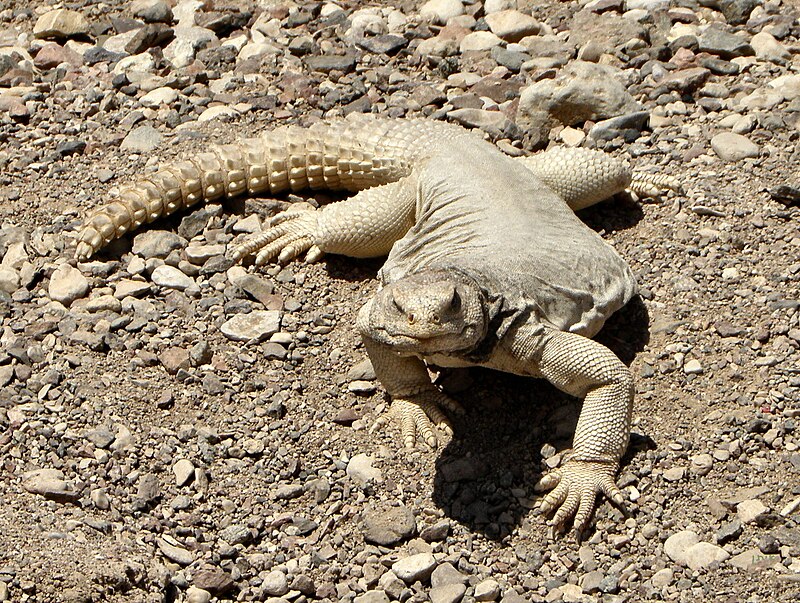
Uromastyx, also known as spiny-tailed lizards or "Uros," are fascinating desert dwellers known for their armored, spiky tails and vibrant coloration. These herbivorous lizards require extremely hot basking temperatures and very low humidity - the opposite of many popular reptile species.
With proper care, uromastyx can become quite personable and handleable. They're diurnal (active during the day), making them enjoyable to observe, and their herbivorous diet means no insects required.
Caring for an Uromastyx is a long-term commitment that extends well beyond basic husbandry. With a lifespan that can reach 15-25+ years under optimal conditions, prospective keepers should approach Uromastyx ownership as a multi-year or even multi-decade responsibility. This species has evolved in specific ecological niches, and replicating those conditions in captivity is the foundation of good care. The Intermediate care level designation reflects the fact that Uromastyx require consistent attention to environmental parameters—temperature gradients, humidity levels, lighting cycles, and substrate conditions all play critical roles in their physical and behavioral health.
What sets experienced Uromastyx keepers apart from beginners is their understanding that these animals communicate through subtle behavioral cues rather than obvious vocalizations or body language. Changes in coloring, feeding response, basking patterns, and activity levels all provide diagnostic information about the animal's wellbeing. A Uromastyx that consistently avoids its warm zone, for instance, may be signaling early illness rather than simple preference. Similarly, changes in defecation frequency, consistency, or timing can indicate digestive or parasitic issues long before other symptoms become apparent. Learning to read these signals is arguably the most important skill an Uromastyx keeper can develop.
The terrarium or vivarium environment for Uromastyx should be designed with both physical and psychological needs in mind. This means not only providing the correct temperature gradient and humidity range, but also incorporating appropriate hides, climbing structures, and visual barriers that allow the animal to express natural behaviors. Enrichment is not a luxury for Uromastyx—it is a fundamental requirement that reduces stress, promotes normal activity patterns, and supports long-term health. Keepers who design their enclosures based on the animal's natural history rather than aesthetic preferences consistently report better feeding responses, more natural behaviors, and fewer health issues over time.
Natural Habitat & Origin
Uromastyx inhabit some of the hottest, driest regions on Earth: Understanding how this applies specifically to Uromastyx helps you avoid common pitfalls.
Popular Species
- Ornate Uromastyx (U. ornata): Blue/green males, smaller species
- Moroccan Uromastyx (U. acanthinura): Variable colors, hardy
- Mali Uromastyx (U. dispar maliensis): Yellow males, most common
- Egyptian Uromastyx (U. aegyptia): Largest species, up to 30+ inches
- Saharan Uromastyx (U. geyri): Red/orange, smaller
Natural Environment
- Habitat: Rocky deserts, arid scrublands
- Climate: Extreme heat, virtually no humidity
- Behavior: Burrow in rock crevices and underground
- Activity: Diurnal baskers
Enclosure Setup & Requirements
Uromastyx need hot, dry enclosures.
Tank Size
- Small species: 4x2x2 feet minimum
- Medium species: 5x2x2 feet
- Large species (Egyptian): 6x3x2 feet or larger
- Type: Sealed enclosures to prevent humidity buildup
Substrate Options
- Recommended: Washed play sand, sand/soil mix, excavator clay
- Depth: 4-6 inches for digging/burrowing
- Alternatives: Tile (easy cleaning) with digging area
- Avoid: Calcium sand, mulch, anything moisture-retaining
Essential Furnishings
- Large flat basking rocks/slate
- Rock hides and crevices
- Multiple hiding spots at different temperatures
- Food dish (shallow)
- NO water dish (they get moisture from food)
Temperature & Lighting
Uromastyx require EXTREME heat: Your exotic veterinarian and experienced Uromastyx owners can offer perspective tailored to your situation.
Temperature Requirements
| Zone | Temperature |
|---|---|
| Basking Surface | 120-130°F (49-54°C) |
| Warm Side | 100-110°F (38-43°C) |
| Cool Side | 80-85°F (27-29°C) |
| Nighttime | 70-75°F (21-24°C) |
Heat is Critical
Uromastyx require basking temperatures that would kill most reptiles. Insufficient heat is the #1 cause of health problems. Invest in high-wattage halogen flood bulbs (100-150W often needed) and measure surface temperatures with a temp gun.
Heating Methods
- Best: High-wattage halogen flood bulbs
- Secondary: Mercury vapor bulbs (heat + UVB)
- Thermostat: Dimming thermostat recommended
- Measure: Use infrared temp gun for surface temps
UVB Lighting
- Type: T5 HO 10.0 or 12% UVB (high output)
- Duration: 12-14 hours daily
- Placement: Across 2/3 of enclosure length
Humidity & Water
Uromastyx require very low humidity: Leaning into Uromastyx-specific detail, instead of one-size-fits-all advice, consistently yields better results.
- Ambient humidity: 10-35% maximum
- Water dish: NOT recommended - causes humidity issues
- Hydration: Obtained from food (greens, vegetables)
- Soaking: Not recommended except in emergencies
- Humidity spikes: Can cause respiratory infections and tail rot
Diet & Feeding
Uromastyx are strict herbivores.
Diet Composition
- Leafy greens: 70-80%
- Seeds/lentils: 10-20%
- Other vegetables: 5-10%
- Fruit: Rarely if ever (high water content)
Appropriate Foods
- Greens: Dandelion, endive, escarole, collard greens, mustard greens
- Seeds: Millet, lentils, split peas (dry or soaked)
- Flowers: Hibiscus, dandelion, rose petals
- Vegetables: Butternut squash, green beans (sparingly)
Foods to Avoid
- High-water foods: Cucumber, iceberg lettuce, watermelon
- Spinach: Oxalates bind calcium
- Insects: Not necessary and can cause kidney issues
- Fruit: Too much water and sugar
Feeding Schedule
- Juveniles: Daily fresh salad
- Adults: Daily, with seeds 3-4x weekly
- Morning feeding: Allows food to be digested during peak heat
Supplementation
- Calcium (without D3): Light dusting 2-3x weekly
- Multivitamin: Once weekly
- Bee pollen: Excellent nutritional supplement
Nutrition for Uromastyx is inseparable from the broader environmental context in which feeding occurs. Unlike mammalian pets that maintain their own body temperature and can digest food effectively in a wide range of conditions, reptiles depend on external heat sources for the metabolic processes that drive digestion. Feeding your Uromastyx without ensuring access to appropriate post-feeding temperatures can result in food decomposing in the digestive tract rather than being properly processed—a potentially serious and even life-threatening situation. This interdependence between nutrition and environmental management is one of the key concepts that separates experienced reptile keepers from beginners.
Supplementation protocols for Uromastyx address nutritional gaps that are nearly impossible to fill through diet alone in captive conditions. Calcium supplementation, often with vitamin D3, is particularly critical for preventing metabolic bone disease—one of the most common and preventable health conditions in captive reptiles. The specific supplementation schedule depends on the species, age, reproductive status, and UVB exposure of your individual Uromastyx. Multivitamin supplements are typically provided less frequently to avoid hypervitaminosis. Working with a knowledgeable herp veterinarian to establish a supplementation protocol tailored to your specific animal and husbandry setup is strongly recommended, as both under-supplementation and over-supplementation carry health risks.
Health Issues & Common Problems
Most uromastyx health issues relate to improper husbandry.
Metabolic Bone Disease (MBD)
From inadequate UVB/calcium. Signs: weakness, soft bones, lethargy. Ensure proper lighting and supplementation.
Respiratory Infections
From humidity too high or temperatures too low. Signs: wheezing, mucus, gaping. Correct environment immediately.
Tail Rot
Bacterial infection often from humidity issues. Signs: darkening, necrosis of tail tip. Requires veterinary treatment.
Dehydration
Despite desert origins, can become dehydrated. Signs: sunken eyes, wrinkled skin. Ensure adequate greens in diet.
Impaction
From ingesting substrate without adequate heat for digestion. Ensure hot basking temperatures.
Health management for Uromastyx requires a fundamentally different approach than for mammalian pets. These reptiles are masters at concealing illness—an evolutionary adaptation that prevents them from appearing vulnerable to predators. By the time an Uromastyx displays obvious signs of illness such as lethargy, loss of appetite, or visible physical changes, the underlying condition may already be advanced. This makes preventive care and early detection through subtle behavioral observation absolutely critical for Uromastyx keepers.
Finding an experienced herp veterinarian should be a priority before you bring your Uromastyx home, not something you scramble to arrange during an emergency. Not all veterinarians are trained in reptile medicine, and the diagnostic and treatment approaches differ significantly from mammalian veterinary care. An initial wellness examination shortly after acquisition establishes a health baseline and screens for common conditions including parasites, nutritional deficiencies, and respiratory issues. Annual wellness checks are recommended for healthy Uromastyx, with more frequent visits for aging animals or those with known health conditions. Building a relationship with a knowledgeable herp veterinarian gives you access to expert guidance for the routine questions and concerns that arise over the course of Uromastyx's 15-25+ years lifespan.
Nutritional health in Uromastyx is intrinsically linked to environmental conditions, particularly UVB lighting and temperature. Many health issues commonly attributed to diet are actually caused or worsened by inadequate environmental parameters. For example, calcium absorption requires adequate UVB exposure—even a perfect diet cannot compensate for insufficient lighting. Similarly, digestion depends on the animal maintaining appropriate body temperature through access to a properly calibrated basking zone. These interconnections mean that health management for Uromastyx must take a holistic approach, addressing the entire environmental and nutritional picture rather than focusing on individual factors in isolation.
Handling & Temperament
Uromastyx can become quite tame.
- Acclimation: Allow 2-4 weeks before regular handling
- Approach: From the front, slowly
- Support: Full body support essential
- Tail: Used as a whip when scared - be aware
- Taming: Hand feeding builds trust
- Personality: Often become dog-like with proper socialization
The behavioral patterns of Uromastyx in captivity reflect a complex interplay between innate responses and environmental conditions. Unlike mammals, reptiles communicate primarily through body posture, color changes, movement patterns, and subtle physiological signals rather than vocalizations. Learning to interpret these signals is essential for any Uromastyx keeper who wants to provide truly responsive care. A Uromastyx that flattens its body, changes color, or alters its activity pattern is communicating something specific about its comfort level, and keepers who learn this language can anticipate and prevent problems before they escalate.
Handling and socialization with Uromastyx requires a fundamentally different approach than with mammalian pets. These animals do not form social bonds in the same way that dogs or cats do—their tolerance of handling is learned through consistent positive association rather than affection in the mammalian sense. The key to building a positive handling relationship with your Uromastyx is patience, predictability, and respect for the animal's stress thresholds. Sessions should be brief initially and gradually extended as the animal demonstrates increasing comfort. Signs of stress during handling include rapid breathing, defensive posturing, color darkening, and attempts to flee—all signals that the session should end and the animal should be returned to its secure environment.
Seasonal and circadian behavioral patterns in Uromastyx are directly influenced by the environmental conditions you provide. Photoperiod (day length), temperature cycling, and humidity variations all trigger natural behavioral rhythms including activity cycles, appetite fluctuations, and even breeding behaviors. Keepers who maintain rigid, unchanging environmental conditions may find their Uromastyx displaying flat, unstimulated behavior patterns, while those who incorporate naturalistic environmental variation often observe a fuller range of natural behaviors. This does not mean creating extreme fluctuations—rather, it means providing subtle, species-appropriate variations that mimic the natural environmental rhythms Uromastyx evolved to respond to.
Breeding Information
Breeding uromastyx is challenging: Pet-wide advice is the first draft; the durable version comes from tuning to the individual animal.
- Sexual maturity: 3-4 years
- Sexing: Males have larger femoral pores, broader head
- Brumation: 2-3 month cooling period required
- Clutch size: 5-20 eggs depending on species
- Incubation: 70-90 days at 88-92°F
- Challenges: Sexing difficult, slow to mature
Is This Reptile Right for You?
Time spent understanding this topic is one of the highest-leverage investments a Uromastyx owner can make. Expect some trial and error, a Uromastyx tends to signal clearly when something fits and when it does not.
Uromastyx Are Great For:
- Those who want a herbivorous lizard (no insects)
- Keepers in dry climates
- People wanting a diurnal, observable pet
- Those prepared for high heating costs
Uromastyx May Not Be Ideal For:
- Keepers in humid climates (difficult to maintain low humidity)
- Those concerned about electricity costs
- Beginners unfamiliar with reptile heating
- Anyone without access to proper UVB lighting
Owning an Uromastyx is a commitment that goes well beyond the initial excitement of setting up an enclosure. These are animals with precise environmental needs — temperature, humidity, lighting, diet — that do not forgive neglect. Before bringing one home, honestly ask yourself whether you can maintain those conditions not just this month, but for years to come.
If the answer is yes and your living situation supports it, an Uromastyx can be a fascinating and rewarding companion. The key is going in with realistic expectations about the work involved.
Cost of Ownership
Planning ahead financially is one of the most practical things you can do before getting an Uromastyx. Account for the predictable costs, set aside money for the unpredictable ones, and avoid the trap of thinking you will figure it out as you go. Uromastyx care costs are real and ongoing.
With Uromastyx, husbandry precision matters more than gadget quantity: stable environment, species-appropriate diet, and calm handling drive health outcomes.
Veterinary costs for Uromastyx require special financial preparation because herp veterinarian visits are typically more expensive per visit than standard companion animal care. Fewer veterinarians specialize in reptile medicine, which means specialists can command higher fees, and diagnostic procedures may require specialized equipment. An initial wellness examination and annual check-ups should be budgeted as baseline expenses, with additional reserves for unexpected illness or injury. Many Uromastyx owners find that setting aside a small monthly amount in a dedicated savings fund provides peace of mind and ensures that financial constraints never delay necessary medical care.
One often-overlooked cost category for Uromastyx ownership is equipment maintenance and replacement. Heating elements, UV bulbs, thermostats, and humidity systems all have defined lifespans that may not align with the animal's lifespan. UVB bulbs in particular need replacement every 6-12 months even when they appear to still be functioning, as their UV output degrades below effective levels long before they stop producing visible light. Using expired UVB bulbs is equivalent to providing no UVB at all—a mistake that can lead to metabolic bone disease and other serious health consequences. Maintaining a replacement schedule for all critical environmental equipment is both a health imperative and a budgetable expense.
Related Species
If you're interested in Uromastyx, you might also consider.
- Bearded Dragon - Similar setup, omnivorous
- Blue Tongue Skink - Different care, similar temperament
- Leopard Gecko - Smaller, lower heat requirements
- Russian Tortoise - Also herbivorous
Ask Our AI About Uromastyx
Have specific questions about Uromastyx care, species selection, or diet? Our AI assistant can provide personalized guidance.
Get Personalized AI Guidance
Uromastyx thrives when thermal gradient, humidity control, and enclosure hygiene are managed as a system, not as isolated checklist items.
Ask Our AI NowDecision Guides for Uromastyx
Use these only when comparing food, insurance, ownership budget, or beginner fit for this specific pet.