Swordtail Fish
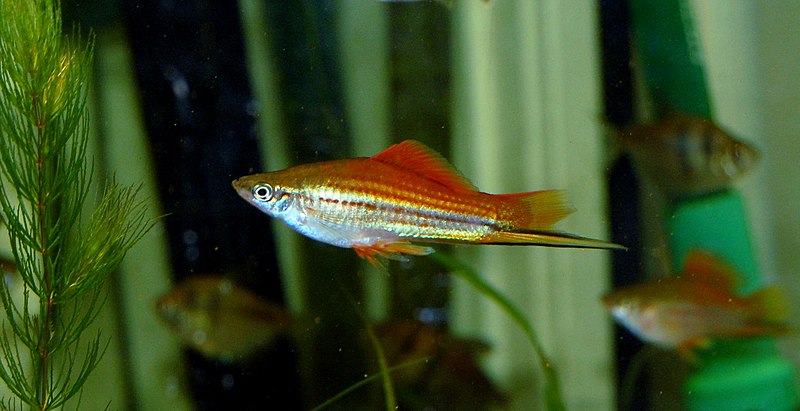
Quick Facts
| Attribute | Details |
|---|---|
| Scientific Name | Xiphophorus hellerii |
| Origin | Central America (Mexico to Honduras) |
| Size | 4-5 inches (10-12.5 cm) |
| Lifespan | 3-5 years |
| Temperature Range | 72-79°F (22-26°C) |
| pH Range | 7.0-8.4 |
| Tank Size Minimum | 20 gallons |
| Care Level | Easy |
| Diet | Omnivore |
| Temperament | Peaceful (males can be competitive) |
Recommended for Swordtails
Aquarium Co-Op - Quality livebearer supplies | Seachem - Water treatment | Fluval - Reliable tank setups
Swordtail Overview
Swordtails are elegant livebearing fish named for the distinctive sword-like extension on the lower tail fin of males. Related to platies (and capable of interbreeding), swordtails are slightly larger and make impressive additions to community aquariums. They combine hardiness with striking appearance, available in numerous colors including red, orange, pineapple, black, and combinations.
Their active swimming behavior and interesting social dynamics make them engaging to watch. Swordtails are excellent for beginners while still being appreciated by experienced aquarists for their beauty and ease of breeding.
Understanding the full scope of Swordtail Fish care requires appreciating the biological and behavioral complexity of this species. As a 4-5 inches (10-12.5 cm) aquatic animal with a typical lifespan of 3-5 years, the Swordtail Fish has evolved specific physiological adaptations that directly influence how they should be kept in captivity. Their natural habitat—characterized by specific water chemistry, flow patterns, and ecological relationships—provides the blueprint for successful aquarium husbandry. Experienced aquarists consistently note that Swordtail Fish thrive when keepers replicate these natural conditions as closely as possible, rather than simply meeting minimum survival parameters.
The Swordtail Fish's behavioral repertoire extends well beyond what casual observers might expect. These fish exhibit complex social hierarchies, territorial behaviors, and feeding strategies that become increasingly apparent in well-maintained aquarium environments. Their peaceful (males can be competitive) disposition means that tank mate selection requires careful consideration—not all community fish are compatible, and individual personality variation means that even within the same species, behavioral differences can be significant. Keepers who invest time in observing their Swordtail Fish's natural behaviors are better equipped to identify stress indicators, illness onset, and social conflict before these issues escalate into serious problems.
Swordtail Fish the species does best when maintenance intervals match its biology rather than a fixed calendar rather than copied from general fish templates.
Natural Habitat & Origin
Swordtails originate from Central American waterways.
- Native Range: Mexico, Guatemala, Honduras, Belize
- Habitat: Streams, rivers, springs, and ponds
- Environment: Vegetated areas with hard, alkaline water
- Wild Coloration: Olive-green with red/yellow lateral stripe
Tank Requirements & Setup
Swordtails need adequate space for their active swimming.
Tank Size
- Minimum: 20 gallons for a small group
- Recommended: 30+ gallons for multiple males
- Ratio: 1 male to 2-3 females minimum
- Lid: Essential - swordtails are jumpers
Essential Equipment
- Filter: Moderate flow filtration
- Heater: Maintain stable temperatures
- Lighting: Standard aquarium lighting
- Secure Lid: Prevent jumping escapes
Decoration & Plants
- Live Plants: Vallisneria, Amazon sword, hornwort
- Open Swimming: Plenty of room to swim
- Hiding Spots: For females and fry
- Substrate: Gravel or sand
Water Parameters
Swordtails prefer hard, alkaline water: Understanding how this applies specifically to Swordtail helps you avoid common pitfalls.
| Parameter | Ideal Range |
|---|---|
| Temperature | 72-79°F (22-26°C) |
| pH | 7.0-8.4 |
| Ammonia | 0 ppm |
| Nitrite | 0 ppm |
| Nitrate | <40 ppm |
| Hardness (GH) | 12-30 dGH |
Diet & Feeding
Swordtails are omnivores with a preference for plant matter: Health and behavior metrics for a Swordtail tend to trend upward whenever the plan becomes more specific.
Primary Foods
- Flake Food: High-quality tropical/omnivore flakes
- Algae/Spirulina: Important vegetable component
- Frozen Foods: Brine shrimp, bloodworms
- Vegetables: Blanched spinach, zucchini, peas
- Live Foods: Daphnia, brine shrimp (occasional)
Feeding Guidelines
- Feed 2-3 times daily
- Include vegetable matter regularly
- Only what they consume in 2-3 minutes
Proper nutrition for Swordtail Fish requires understanding not just what to feed, but how feeding strategies affect health, behavior, and water quality. In the enclosed ecosystem of an aquarium, every uneaten food particle and every waste product contributes to the biological load that your filtration system must process. Overfeeding—the most common nutritional mistake in fishkeeping—degrades water quality, promotes algae growth, and can directly cause health problems including fatty liver disease and swim bladder disorders. A disciplined approach to feeding, where your Swordtail Fish receives the right amount of appropriate food at consistent intervals, is one of the most impactful things you can do for both the fish and the overall aquarium ecosystem.
Diet variety is essential for optimal Swordtail Fish health because no single commercial food provides the complete nutritional profile these fish require. A rotation that includes high-quality prepared foods (pellets or flakes formulated for the species), supplemented with frozen or freeze-dried options and occasional live foods, provides the nutritional diversity that supports immune function, coloration, and natural behavior expression. Each food type offers different nutritional benefits—prepared foods provide balanced baseline nutrition, frozen foods offer natural protein sources, and live foods trigger natural hunting behaviors that provide valuable mental stimulation. Observing your Swordtail Fish's response to different food types also provides useful health information, as reduced interest in normally preferred foods is often an early indicator of illness.
Popular Swordtail Varieties
- Red Swordtail: Classic solid red
- Red Wag: Red body with black fins
- Pineapple: Yellow-orange with red accents
- Marigold: Golden-yellow coloration
- Black: Solid black or near-black
- Neon: Bright, iridescent colors
- Tuxedo: Dark rear body half
- Lyretail: Extended, lyre-shaped tail
Behavior & Temperament
- Active Swimmers: Need open swimming space
- Generally Peaceful: Good community fish
- Male Competition: Males may spar for dominance
- Jumpers: Require secure lids
- Hierarchical: Establish pecking orders
The behavioral complexity of Swordtail Fish is often underestimated by those new to the aquarium hobby. While aquarium fish are sometimes perceived as passive decorative elements, Swordtail Fish display a rich repertoire of social behaviors, territorial strategies, and environmental interactions that become increasingly fascinating to observe over time. Their peaceful (males can be competitive) disposition provides a general framework for predicting behavior, but individual variation is significant—experienced keepers learn to read the subtle body language cues, color changes, and swimming patterns that indicate mood, stress level, and social status within the tank hierarchy.
Planning with these specific traits in focus produces a care programme calibrated to the animal in your home, not to a breed average that may not describe it well.
Feeding behavior in Swordtail Fish reveals much about their ecological role and can be leveraged by keepers to promote natural behaviors and reduce aggression. Observing when, where, and how your Swordtail Fish feeds provides diagnostic information about their comfort level, health status, and social standing. Changes in feeding behavior—such as reduced enthusiasm, feeding only when other fish are not present, or aggressive food guarding—often signal underlying issues that should be investigated. Many successful Swordtail Fish keepers use varied feeding strategies including target feeding, scatter feeding, and enrichment feeders to promote natural foraging behaviors and reduce competition-related stress.
Compatibility with Other Fish
A confident read of this side of Swordtail care puts you in a better position to make decisions the animal can actually feel. Use these defaults as a starting point and adjust to the cadence your Swordtail actually prefers — the right rhythm typically becomes obvious quickly.
Compatible Tank Mates
- Other livebearers (platies, mollies, guppies)
- Corydoras catfish
- Larger tetras
- Rainbowfish
- Peaceful barbs
- Gouramis
Incompatible Species
- Aggressive cichlids
- Fin nippers
- Very small fish that may be bullied
- Slow-moving long-finned fish
Breeding Information
Swordtails breed readily in home aquariums.
- Livebearers: Give birth to live fry
- Gestation: 28-40 days
- Fry Per Batch: 20-100+ fry
- Frequency: Every 4-6 weeks
- Fry Care: Dense plants for hiding, or breeding box
- Sex Change: Females can develop swords and become male-like
Common Health Issues
Most Swordtail owners eventually land on these topics. Reading them early makes the first-year learning curve much shorter.
Ich
- Symptoms: White spots on body and fins
- Treatment: Raise temperature, ich medication
Fin Rot
- Symptoms: Deteriorating sword and fins
- Treatment: Clean water, antibacterial treatment
Swim Bladder Issues
- Symptoms: Swimming difficulties
- Treatment: Fast, feed peas, improve diet
Swordtail Health Products
API Aquarium Salt - Supports health | Seachem Paraguard - Disease treatment | Aquarium Co-Op - Quality foods
The foundation of Swordtail health management is water quality — full stop. Unlike terrestrial pets where a vet visit can quickly address most issues, fish diseases often progress rapidly and treatment can stress the entire system. Regular testing and diligent maintenance are your best tools.
Swordtail Fish the three variables that move outcomes most are water stability, feeding discipline, and careful handling of new stock; these factors drive outcomes more than brand-name products.
Quarantine protocols represent one of the most impactful health management practices available to Swordtail Fish keepers. Every new addition to the tank—whether fish, invertebrate, or live plant—has the potential to introduce pathogens, parasites, or chemical contaminants. A dedicated quarantine tank (even a small, simple setup) allows you to observe new arrivals for signs of illness over a two to four week period before introducing them to your main display. This single practice prevents the majority of disease outbreaks in established aquariums and is considered essential by virtually all experienced Swordtail Fish keepers. The modest investment in quarantine equipment pays for itself many times over by protecting the health of your existing collection.
Is This Fish Right for You?
Health and behavior metrics for a Swordtail tend to trend upward whenever the plan becomes more specific.
Swordtails Are Great For:
- Beginners wanting elegant fish
- Community tank enthusiasts
- Those interested in livebearer breeding
- Aquarists with hard water
Swordtails May Not Be Ideal For:
- Very small tanks (under 20 gallons)
- Soft, acidic water setups
- Tanks without secure lids
- Those not wanting population growth
The best way to decide if a Swordtail Fish is right for your tank is to talk to people who already keep them. Online forums and local aquarium clubs are full of keepers who will give you honest, experience-based advice about what works and what does not. That kind of practical insight is more valuable than any care sheet.
If the research checks out and your setup is suitable, go for it. A well-maintained Swordtail Fish is one of the more satisfying species to keep, and most owners who take the time to get it right have no regrets.
Cost of Ownership
Consistent execution and attention to your animal's specifics are what produce the outcomes you want — no single item on this page is load-bearing alone. Small adjustments based on what you observe often yield the biggest improvements.
The true cost of keeping Swordtail Fish extends well beyond the initial purchase price and basic equipment. While the upfront investment in a properly equipped aquarium (minimum 20 gallons) represents a significant portion of the total cost, ongoing expenses for water treatment chemicals, filter media, electricity for heating and lighting, and food constitute the majority of long-term spending. Many aspiring Swordtail Fish keepers underestimate these ongoing costs, which can lead to cut corners that ultimately compromise fish health and result in even greater expenses. A realistic budget that accounts for both routine maintenance and occasional replacement of equipment provides a more accurate picture of what Swordtail Fish keeping actually costs.
Apply these principles consistently while remaining flexible enough to adjust when circumstances change.
Related Species
- Platy - Close relative, can interbreed
- Molly - Larger livebearer
- Guppy - Smaller, colorful livebearer
- Rainbowfish - Similar size and activity level
Ask Our AI About Swordtails
Have specific questions about swordtail care, breeding, or health issues? Our AI assistant can provide personalized guidance.
When to Seek Help
Recognizing signs of illness early gives your Swordtail Fish the best chance of recovery. Fish often hide symptoms until disease is advanced, so careful daily observation is essential.
- Behavioral changes: Lethargy, loss of appetite, hiding more than usual, or swimming abnormally can indicate illness or poor water conditions.
- Physical signs: White spots, fuzzy growths, fin damage, bloating, color loss, or raised scales are common indicators of disease.
- Breathing issues: Rapid gill movement or gasping at the surface suggests low oxygen, gill disease, or ammonia exposure.
- Quarantine new fish: Always quarantine new arrivals for 2-4 weeks before adding them to your main tank to prevent disease introduction.
- Water testing: Before treating for disease, always test water parameters. Many symptoms that appear to be illness are actually caused by poor water quality.
Diet and Nutrition Tips
Aim for a repeatable routine rather than a flawless one, and adjust as the animal in front of you tells you what needs adjusting.
- Primary diet: Feed a high-quality staple food formulated for your Swordtail Fish's dietary type (herbivore, omnivore, or carnivore). Look for foods with whole ingredients and minimal fillers.
- Variety: Supplement the staple diet with frozen or live foods such as brine shrimp, bloodworms, or daphnia. Variety ensures complete nutrition and encourages natural foraging.
- Feeding frequency: Feed small amounts 1-2 times daily. Only offer what can be consumed in 2-3 minutes to prevent water quality issues from uneaten food.
- Vegetable supplements: For omnivorous and herbivorous species, blanched vegetables like zucchini, spinach, and peas provide essential fiber and nutrients.
- Avoid overfeeding: Overfeeding is the most common nutritional mistake in fishkeeping. It leads to obesity, water pollution, and secondary health problems.
Tank Environment and Stimulation
Most outcomes come from the obvious fundamentals done well; advanced tactics matter only after those are in place.
- Tank size: Always choose a tank that meets or exceeds the minimum recommended size for Swordtail Fish. Larger tanks are more stable and forgiving of water quality fluctuations.
- Water parameters: Maintain consistent temperature, pH, and hardness levels appropriate for Swordtail Fish. Test water weekly and perform regular partial water changes.
- Filtration: Use a quality filter rated for your tank size. Good filtration is the single most important factor in maintaining a healthy aquarium environment.
- Decor and hiding spots: Include plants, rocks, driftwood, or other decorations that provide shelter and territory boundaries. This reduces stress and aggression.
- Lighting: Provide appropriate lighting cycles with 8-12 hours of light followed by darkness to maintain natural circadian rhythms.
Tank Maintenance Essentials
For Swordtail Fish, the most reliable results come from parameter consistency, species-matched diet rotation, and early correction of stress signals.
- Water changes: Perform 20-30% partial water changes weekly. Use a gravel vacuum to remove debris from the substrate during each change.
- Filter maintenance: Rinse filter media in old tank water monthly. Never replace all filter media at once, as this destroys beneficial bacteria colonies.
- Algae control: Some algae is normal, but excessive growth indicates nutrient imbalance. Adjust lighting duration and consider adding algae-eating species.
- Water testing: Test ammonia, nitrite, nitrate, and pH at least weekly. Keep a log to track trends and catch problems early.
- Equipment checks: Inspect heaters, air pumps, and lighting regularly to ensure everything functions properly.
Living Environment
Expect a short installation period followed by a long stretch of near-autopilot maintenance.
- Tank placement: Place the aquarium away from direct sunlight, drafts, and high-traffic areas. A stable location reduces stress and prevents temperature fluctuations.
- Compatible tankmates: Research compatibility before adding new species. Aggression, different water parameter requirements, and size mismatches are common problems.
- Substrate choice: Select substrate appropriate for your Swordtail Fish's natural behavior, whether that is sand for digging species or planted substrate for aquascaping.
- Backup equipment: Keep spare heaters, air pumps, and water treatment supplies on hand for emergencies. Equipment failures can be life-threatening.
Helpful Resources for Swordtail Fish Owners
A little curiosity about how the Swordtail is wired goes a long way toward preventing avoidable missteps.
Explore More Guides
Get Personalized AI Guidance
Success here comes from steady observation and a readiness to make small adjustments when the results suggest a change is needed.
Ask Our AI NowDecision Guides for Swordtail Fish
Use these only when comparing food, insurance, ownership budget, or beginner fit for this specific pet.