Killifish
Quick Facts
| Attribute | Details |
|---|---|
| Scientific Name | Various (Fundulopanchax, Aphyosemion, Nothobranchius, etc.) |
| Origin | Africa, Americas, Asia |
| Size | 1-4 inches (2.5-10 cm) |
| Lifespan | 1-5 years (species dependent) |
| Temperature | 68-80°F (20-27°C) |
| pH | 6.0-7.5 |
| Tank Size | 5-20+ gallons (species dependent) |
| Care Level | Moderate to Advanced |
| Diet | Carnivore |
| Temperament | Varies (peaceful to semi-aggressive) |
Recommended for Killifish
Chewy - Live & frozen foods | Petco - Nano aquarium supplies | PetSmart - Water treatments & test kits
Overview
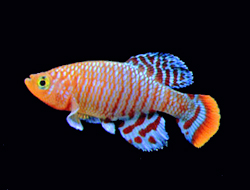
Killifish are among the most colorful freshwater fish in the world, rivaling marine species in vibrancy. This diverse group includes over 1,200 species ranging from tiny nano fish to larger predatory species. They're particularly popular among advanced hobbyists and breeders.
Killifish are divided into two main groups based on their life cycle: "annual" species that live in temporary pools and complete their entire life cycle in months, and "non-annual" species that live in permanent water bodies and have longer lifespans. Understanding this distinction is crucial for proper care.
Understanding the full scope of Killifish care requires appreciating the biological and behavioral complexity of this species. As a 1-4 inches (2.5-10 cm) aquatic animal with a typical lifespan of 1-5 years (species dependent), the Killifish has evolved specific physiological adaptations that directly influence how they should be kept in captivity. Their natural habitat—characterized by specific water chemistry, flow patterns, and ecological relationships—provides the blueprint for successful aquarium husbandry. Experienced aquarists consistently note that Killifish thrive when keepers replicate these natural conditions as closely as possible, rather than simply meeting minimum survival parameters.
The Killifish's behavioral repertoire extends well beyond what casual observers might expect. These fish exhibit complex social hierarchies, territorial behaviors, and feeding strategies that become increasingly apparent in well-maintained aquarium environments. Their varies (peaceful to semi-aggressive) disposition means that tank mate selection requires careful consideration—not all community fish are compatible, and individual personality variation means that even within the same species, behavioral differences can be significant. Keepers who invest time in observing their Killifish's natural behaviors are better equipped to identify stress indicators, illness onset, and social conflict before these issues escalate into serious problems.
From a water chemistry perspective, maintaining an aquarium for Killifish demands consistent attention to parameters including temperature (68-80°F (20-27°C)), pH (6.0-7.5), and tank capacity (minimum 30 gallons). These parameters are not merely guidelines—they represent the range within which Killifish's metabolic processes, immune function, and reproductive behaviors operate optimally. Deviations outside these ranges, even temporary ones, can trigger stress responses that compromise immune function and increase susceptibility to common aquatic diseases. Successful Killifish keeping therefore requires not just the right equipment, but a disciplined approach to monitoring and maintaining water quality over the long term.
Natural Habitat
Killifish inhabit diverse environments worldwide.
- Africa: Temporary pools, swamps, and streams (many annual species)
- Americas: Streams, ditches, and coastal brackish waters
- Asia: Rice paddies and slow-moving waters
- Water Types: From soft acidic to hard alkaline; some tolerate brackish
Popular Species
Numerous killifish species are kept in aquariums: Understanding how this applies specifically to Killifish helps you avoid common pitfalls.
- Clown Killifish (Epiplatys annulatus): Tiny, peaceful; great for nano tanks
- Gardneri Killifish (Fundulopanchax gardneri): Colorful; good beginner species
- Lyretail Killifish (Aphyosemion australe): Beautiful finnage; peaceful
- Golden Wonder Killifish (Aplocheilus lineatus): Larger surface dweller
- Nothobranchius species: Stunning annuals; short-lived but spectacular
- American Flagfish (Jordanella floridae): Hardy; eats algae
Tank Requirements
Requirements vary by species, but general guidelines: Your aquatic veterinarian and experienced Killifish owners can offer perspective tailored to your situation.
- Tank Size: 5-10 gallons for small species; 20+ for larger ones
- Lid: Essential; many killifish are excellent jumpers
- Plants: Dense planting provides security and spawning sites
- Substrate: Fine sand or peat for egg-burying species
- Filtration: Gentle; many prefer still or slow-moving water
- Lighting: Subdued; floating plants help diffuse light
Water Parameters
Parameters vary by species; research specific requirements: Owners who engage with Killifish-specific guidance, rather than generic pet advice, tend to spot problems sooner.
| Parameter | General Range |
|---|---|
| Temperature | 68-80°F (20-27°C) |
| pH | 6.0-7.5 (species specific) |
| Hardness (GH) | 2-15 dGH (species specific) |
| Ammonia | 0 ppm |
| Nitrite | 0 ppm |
| Nitrate | <20 ppm |
Diet & Feeding
Killifish are carnivorous and often prefer live foods.
- Live Foods: Brine shrimp, daphnia, bloodworms, white worms
- Frozen Foods: Bloodworms, brine shrimp, daphnia
- Prepared Foods: Some accept high-quality micro pellets (training needed)
- Variety: Essential for health and breeding condition
- Important: Many killifish refuse dry foods entirely
Feeding Schedule: Feed 2-3 times daily; small amounts they consume quickly.
Proper nutrition for Killifish requires understanding not just what to feed, but how feeding strategies affect health, behavior, and water quality. In the enclosed ecosystem of an aquarium, every uneaten food particle and every waste product contributes to the biological load that your filtration system must process. Overfeeding—the most common nutritional mistake in fishkeeping—degrades water quality, promotes algae growth, and can directly cause health problems including fatty liver disease and swim bladder disorders. A disciplined approach to feeding, where your Killifish receives the right amount of appropriate food at consistent intervals, is one of the most impactful things you can do for both the fish and the overall aquarium ecosystem.
Diet variety is essential for optimal Killifish health because no single commercial food provides the complete nutritional profile these fish require. A rotation that includes high-quality prepared foods (pellets or flakes formulated for the species), supplemented with frozen or freeze-dried options and occasional live foods, provides the nutritional diversity that supports immune function, coloration, and natural behavior expression. Each food type offers different nutritional benefits—prepared foods provide balanced baseline nutrition, frozen foods offer natural protein sources, and live foods trigger natural hunting behaviors that provide valuable mental stimulation. Observing your Killifish's response to different food types also provides useful health information, as reduced interest in normally preferred foods is often an early indicator of illness.
Behavior & Social Structure
Killifish behavior varies by species.
- Males: Often brilliantly colored; can be territorial with each other
- Females: Usually plainer; more peaceful
- Ratio: One male to 2-3 females reduces aggression
- Surface Oriented: Many species spend time near the surface
- Jumpers: Most killifish jump; secure lids mandatory
The behavioral complexity of Killifish is often underestimated by those new to the aquarium hobby. While aquarium fish are sometimes perceived as passive decorative elements, Killifish display a rich repertoire of social behaviors, territorial strategies, and environmental interactions that become increasingly fascinating to observe over time. Their varies (peaceful to semi-aggressive) disposition provides a general framework for predicting behavior, but individual variation is significant—experienced keepers learn to read the subtle body language cues, color changes, and swimming patterns that indicate mood, stress level, and social status within the tank hierarchy.
In community aquarium settings, understanding Killifish's behavioral tendencies becomes critical for preventing conflict and promoting natural behavior expression. Tank mate selection should be guided not just by compatibility charts but by an understanding of how Killifish establish and defend territory, compete for food, and interact with conspecifics. Factors such as tank layout, sight lines, feeding distribution, and the presence of refuge areas all influence behavioral dynamics. A well-designed aquascape that provides appropriate territorial boundaries and retreat options can transform a potentially aggressive Killifish interaction into a stable, watchable social dynamic. Conversely, a poorly planned tank can escalate minor territorial disputes into chronic stress for all inhabitants.
Feeding behavior in Killifish reveals much about their ecological role and can be leveraged by keepers to promote natural behaviors and reduce aggression. Observing when, where, and how your Killifish feeds provides diagnostic information about their comfort level, health status, and social standing. Changes in feeding behavior—such as reduced enthusiasm, feeding only when other fish are not present, or aggressive food guarding—often signal underlying issues that should be investigated. Many successful Killifish keepers use varied feeding strategies including target feeding, scatter feeding, and enrichment feeders to promote natural foraging behaviors and reduce competition-related stress.
Compatibility
Tank mate selection depends on species: Your aquatic veterinarian and experienced Killifish owners can offer perspective tailored to your situation.
Potentially Compatible
- Small, peaceful fish (small tetras, rasboras)
- Corydoras catfish
- Otocinclus
- Other killifish (with caution; males may fight)
- Dwarf shrimp (with smaller, peaceful species only)
Generally Incompatible
- Large or aggressive fish
- Fin nippers
- Very active fish that cause stress
- Fish that outcompete for food
Breeding
Killifish are popular breeding subjects.
Non-Annual Species
- Spawn in plants or spawning mops
- Eggs can be left with parents or collected
- Hatch in 14-21 days
- Multiple spawnings over time
Annual Species
- Spawn in substrate (peat moss)
- Eggs require dry incubation period
- Incubation: 2-6 months depending on species
- Add water to trigger hatching
Common Health Issues
Killifish can be sensitive to certain conditions.
- Velvet: Common parasite; appears as gold dust on body
- Ich: White spot disease; treat with temperature and medication
- Bacterial Infections: Often from poor water quality
- Internal Parasites: Common in wild-caught specimens
- OOD (Old Age): Annual species have naturally short lifespans
Health & Breeding Supplies
Chewy - Live foods & cultures | Petco - Breeding supplies | 1-800-PetMeds - Fish medications
The foundation of Killifish health management is water quality — full stop. Unlike terrestrial pets where a vet visit can quickly address most issues, fish diseases often progress rapidly and treatment can stress the entire system. Regular testing and diligent maintenance are your best tools.
Recognizing early signs of disease in Killifish requires a trained eye and consistent observation. Behavioral changes such as reduced feeding, isolation from tank mates, clamped fins, flashing (rubbing against surfaces), or abnormal swimming patterns often precede visible physical symptoms by days or even weeks. Establishing a daily observation routine—even just a few minutes of focused attention during feeding—helps you develop a baseline understanding of what normal behavior looks like for your specific Killifish, making deviations immediately apparent. Many experienced aquarists keep a brief log of observations, particularly after water changes, feeding changes, or the introduction of new tank mates.
Quarantine protocols represent one of the most impactful health management practices available to Killifish keepers. Every new addition to the tank—whether fish, invertebrate, or live plant—has the potential to introduce pathogens, parasites, or chemical contaminants. A dedicated quarantine tank (even a small, simple setup) allows you to observe new arrivals for signs of illness over a two to four week period before introducing them to your main display. This single practice prevents the majority of disease outbreaks in established aquariums and is considered essential by virtually all experienced Killifish keepers. The modest investment in quarantine equipment pays for itself many times over by protecting the health of your existing collection.
Is This Fish Right for You?
People often underestimate how much this piece of a Killifish's routine influences later health outcomes.
Killifish Are Great For:
- Hobbyists seeking colorful, unique fish
- Those interested in breeding projects
- Nano tank enthusiasts (many small species)
- Aquarists willing to provide live foods
Killifish May Not Be Ideal For:
- Complete beginners to fishkeeping
- Those unable to provide live/frozen foods
- Community tanks with incompatible fish
- Hobbyists wanting long-lived pets (annual species)
The best way to decide if a Killifish is right for your tank is to talk to people who already keep them. Online forums and local aquarium clubs are full of keepers who will give you honest, experience-based advice about what works and what does not. That kind of practical insight is more valuable than any care sheet.
If the research checks out and your setup is suitable, go for it. A well-maintained Killifish is one of the more satisfying species to keep, and most owners who take the time to get it right have no regrets.
Cost of Ownership
For Killifish, the most reliable results come from parameter consistency, species-matched diet rotation, and early correction of stress signals.
The true cost of keeping Killifish extends well beyond the initial purchase price and basic equipment. While the upfront investment in a properly equipped aquarium (minimum 30 gallons) represents a significant portion of the total cost, ongoing expenses for water treatment chemicals, filter media, electricity for heating and lighting, and food constitute the majority of long-term spending. Many aspiring Killifish keepers underestimate these ongoing costs, which can lead to cut corners that ultimately compromise fish health and result in even greater expenses. A realistic budget that accounts for both routine maintenance and occasional replacement of equipment provides a more accurate picture of what Killifish keeping actually costs.
Equipment failure is an inevitable aspect of aquarium keeping that should be factored into financial planning. Heaters, filters, lights, and pumps all have finite lifespans, and their failure—particularly heater or filter failure—can have catastrophic consequences for Killifish if not addressed promptly. Maintaining a small emergency fund specifically for aquarium equipment replacement, or keeping backup equipment on hand for critical systems like heating and filtration, is a wise investment. Many experienced Killifish keepers also invest in battery-operated air pumps and backup heaters as insurance against power outages, which can be lethal to tropical species within hours depending on ambient room temperature.
The cost-benefit analysis of quality versus budget equipment deserves careful consideration for Killifish keepers. Higher-quality filters, heaters with accurate thermostats, and reliable lighting systems cost more upfront but typically last longer, perform more consistently, and are less likely to fail catastrophically. In aquarium keeping, equipment failure can result in livestock losses worth far more than the savings from choosing budget equipment. This is particularly true for Killifish, where the animals themselves, along with any tank mates, plants, and established biological filtration, represent a significant investment of both money and time that is worth protecting with reliable equipment.
Related Species
If you're interested in Killifish, you might also consider.
- Endler's Livebearer - Colorful small fish
- Pencilfish - Similar size and temperament
- Hatchetfish - Unique surface dweller
- White Cloud Mountain Minnow - Hardy alternative
Ask Our AI About Killifish
Have specific questions about Killifish species, breeding, or care? Our AI assistant can provide personalized guidance.
Get Personalized AI Guidance
Killifish welfare compounds from steady care calibrated to the species, not from periodic high-intensity interventions rather than copied from general fish templates.
Ask Our AI NowDecision Guides for Killifish
Use these only when comparing food, insurance, ownership budget, or beginner fit for this specific pet.