Pomsky
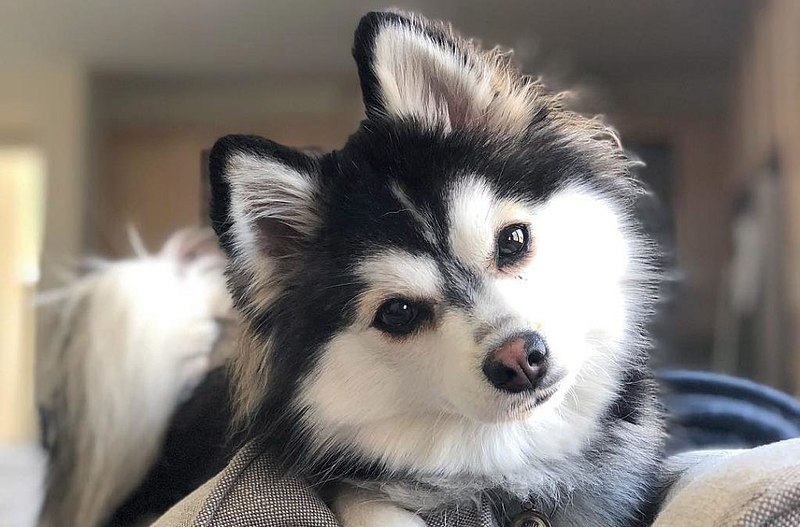
Quick Facts
| Attribute | Details |
|---|---|
| Parent Breeds | Pomeranian + Siberian Husky |
| Size | 15-30 lbs (highly variable) |
| Height | 10-15 inches |
| Lifespan | 12-15 years |
| Temperament | Playful, Intelligent, Spirited |
| Good with Kids | Good (better with older children) |
| Good with Other Dogs | Good (with socialization) |
| Shedding | High (double coat) |
| Exercise Needs | Moderate to High (45-60 min daily) |
| Trainability | Moderate (can be stubborn) |
Recommended for Pomskies
The Farmer's Dog - Fresh food for active dogs | Embark DNA - Health screening for mixed breeds | Spot Insurance - Coverage for hereditary conditions
Pomsky Overview
The Pomsky is a striking designer breed created by crossing a Pomeranian with a Siberian Husky. This combination produces a medium-sized dog with the appearance of a miniature Husky, complete with possible blue eyes and distinctive markings.
Pomskies have gained enormous popularity due to their adorable appearance - often described as "mini wolves" or "teddy bear Huskies." However, they're not just cute faces; they inherit personality traits from both parent breeds that require understanding and commitment.
Parent Breed Characteristics
- Pomeranian: A spirited toy breed with a big personality, known for their fluffy coat and confident demeanor. Can be vocal and sometimes stubborn.
- Siberian Husky: An athletic working breed known for their striking appearance, intelligence, and independent nature. Bred for endurance and have high energy levels.
The Pomsky is a breed that commands attention not just for its physical appearance but for the depth of personality and capability it brings to a household. With a lifespan averaging 12-15 years, the decision to welcome a Pomsky into your family is one that will shape your daily routine, activity levels, and emotional life for well over a decade. This breed's playful, intelligent, spirited temperament is the product of generations of selective breeding for specific traits—understanding this heritage provides valuable insight into why your Pomsky behaves the way it does and what it needs from you as an owner to truly thrive.
The Pomsky was not designed to be a generic pet, and the owners who do best with them are the ones who respect that. Learning about the breed's specific temperament, activity needs, and health predispositions takes effort, but that effort directly translates into a healthier, happier Pomsky and a more rewarding ownership experience overall.
A Pomsky will change your household in ways both expected and surprising. Some of those changes are practical — new equipment, a feeding schedule, a cleaning routine. Others are subtler: a heightened awareness of temperature, a new attentiveness to behavior, a different rhythm to your evenings. Owners who welcome these shifts rather than resisting them tend to build a more harmonious relationship with their Pomsky.
Temperament & Personality
Pomskies have unique, sometimes challenging personalities: Understanding how this applies specifically to Pomsky helps you avoid common pitfalls.
- Intelligent: Very smart, though may use that intelligence to be stubborn.
- Playful: Enjoy games and activities with their families.
- Vocal: May inherit the Husky's howling and Pom's yapping.
- Independent: Can have a strong independent streak from the Husky side.
- Energetic: More active than their size might suggest.
- Attention-Seeking: Often want to be the center of attention.
The playful, intelligent, spirited nature of the Pomsky is not a simple personality label—it is a complex behavioral profile shaped by breed history, individual genetics, early socialization experiences, and ongoing environmental factors. What this means in practice is that two Pomsky from different lines, raised in different environments, can display meaningfully different behavioral tendencies while still sharing core breed characteristics. Understanding this distinction helps owners set realistic expectations and develop training strategies tailored to their individual dog rather than relying solely on breed generalizations.
Let the veterinary team overlay their records onto this framework — weight trend, wellness findings, and medication list all refine the defaults.
Common Health Issues
Pomskies can inherit health conditions from either parent breed: Generic guidance gets you to the starting line; the actual gains come from calibrating the plan to your specific animal.
Eye Conditions
- Cataracts: Common in both parent breeds.
- Progressive Retinal Atrophy: Can cause gradual blindness.
- Corneal Dystrophy: Inherited from Husky side.
Other Concerns
- Luxating Patella: Kneecap issues from Pomeranian side.
- Hip Dysplasia: Can occur, especially in larger Pomskies.
- Dental Problems: Small mouths can lead to crowding.
- Skin Issues: Allergies and skin sensitivities.
- Collapsed Trachea: Inherited from Pomeranian side.
- Heart Problems: Both breeds can have cardiac issues.
Size Variability Warning
Pomsky size is highly unpredictable, even within the same litter. They can range from 15-30+ pounds. If size is important to you, consider a later-generation Pomsky where size is more predictable. Always use Embark DNA testing for health screening.
Taking care of a Pomsky's long-term health means knowing what to watch for and when to act. Rather than waiting for obvious symptoms, experienced owners learn to read the quieter signals: a skipped meal here, a hesitation on the stairs there. Bringing those details to your vet during regular visits creates a much richer clinical picture than a single exam can provide on its own, and it is often the difference between catching an issue early and dealing with it late.
Genetic testing gives Pomsky owners a head start on conditions that might otherwise catch them off guard. By understanding which health risks are written into your Pomsky's DNA, you can work with your vet to schedule targeted checks and make informed choices about diet, exercise, and supplementation. The information is not a diagnosis — it is a roadmap for smarter, more personalized care.
The shift from prime adulthood to the senior phase is gradual for most Pomskys, and the owners who navigate it best are the ones who adapt their care approach incrementally. Small changes — a diet with better joint support, slightly shorter but more frequent exercise sessions, and annual bloodwork instead of biennial — add up to a meaningfully better quality of life in the later years.
Cost of Ownership
Understanding the full cost helps prepare for Pomsky ownership: Every Pomsky benefits from an owner willing to dig below surface-level recommendations.
| Expense Category | Annual Cost Estimate |
|---|---|
| Puppy Price | $2,000-$5,000+ |
| Food (premium quality) | $400-$700 |
| Veterinary Care (routine) | $300-$600 |
| Pet Insurance | $350-$700 |
| Grooming (professional) | $500-$900 |
| Training (first year) | $300-$1,000 |
| Supplies & Toys | $200-$400 |
| Total Annual Cost | $2,050-$4,300 |
The numbers in the table above are averages — your actual spending will depend on where you live, your Pomsky's individual health, and the choices you make about food quality, insurance, and grooming. Cities tend to be pricier for vet care. Rural areas may require longer drives to specialists. Build your budget with some room for the unexpected, because surprises are part of owning any pet.
Year one hits the wallet hardest. Between the initial purchase or adoption fee, puppy vaccinations, spay/neuter surgery, starter supplies, and often some form of professional training, expect to spend noticeably more than in subsequent years. Once those one-time costs are behind you, annual spending drops — though it tends to creep back up as your Pomsky ages and needs more frequent veterinary attention in the later years.
Exercise & Activity Requirements
Pomskies need more exercise than their size suggests.
- Daily Exercise: 45-60 minutes of activity
- Mental Stimulation: Puzzle toys to prevent boredom
- Play Sessions: Interactive games with their owners
- Secure Area: May inherit Husky escape artist tendencies
- Cold Tolerance: Do well in cooler climates
Training Tips for Pomskies
Pomskies can be challenging to train.
- Start Early: Begin training as soon as possible
- Be Patient: They can be stubborn like both parent breeds
- Positive Reinforcement: Essential for success
- Short Sessions: Keep training engaging and fun
- Barking Control: Address vocalization early
- Professional Help: Consider a trainer experienced with stubborn breeds
Nutrition & Feeding
Proper nutrition for active Pomskies: Your veterinarian and experienced Pomsky owners can offer perspective tailored to your situation.
- High-Quality Food: Match to activity level and size
- Protein-Rich: Support their energy needs
- Omega Fatty Acids: Essential for coat health
- Portion Control: Prevent obesity
- Joint Support: Consider for larger Pomskies
Top Food Choices for Pomskies
The Farmer's Dog - Fresh, active dog formula | Ollie - Custom fresh food | Hill's Science Diet - Coat and skin health formulas
Feeding a Pomsky well is less about following trends and more about paying attention to your specific animal. Some Pomskys do great on standard kibble; others need a different approach due to allergies, sensitivities, or individual metabolism. Work with your vet to find what works, and be willing to adjust as your Pomsky's needs change with age.
Grooming Requirements
Pomskies have HIGH grooming needs: Your veterinarian and experienced Pomsky owners can offer perspective tailored to your situation.
- Double Coat: Thick undercoat with longer outer coat
- Brushing: Several times weekly, daily during shedding
- Heavy Shedding: "Blow" their coat seasonally
- Professional Grooming: Every 6-8 weeks
- Never Shave: Double coats should not be shaved
- Regular Baths: Every 4-6 weeks
Pomskies Are Great For:
- Experienced dog owners
- Those who love the Husky look but want a smaller dog
- Active individuals or families
- Those prepared for extensive grooming
- People who enjoy training challenges
Pomskies May Not Be Ideal For:
- First-time dog owners
- Those who want a quiet dog
- Apartment dwellers who don't want to deal with barking
- People with limited time for grooming
- Those wanting a predictable temperament
- Families with very young children
Owning a Pomsky is a commitment measured in years, not months. The enthusiasm of the first few weeks fades, and what remains is a daily routine of feeding, exercise, grooming, and vet visits. If that sounds like a satisfying rhythm rather than a burden, you are probably in a good position to move forward. If it sounds exhausting, it is worth reconsidering.
People who live with a Pomsky tend to develop a deep appreciation for the breed's personality — the playful, intelligent, spirited nature becomes part of the household's rhythm. That bond does not happen overnight, but it builds steadily when care is consistent and expectations are grounded.
Related Breeds to Consider
If you're interested in Pomskies, you might also consider.
- Siberian Husky - Parent breed
- Pomeranian - Parent breed
- Alaskan Klee Kai - Similar appearance, more predictable
- Finnish Lapphund - Spitz breed alternative
- American Eskimo Dog - Similar spitz appearance
Ask Our AI About Pomskies
Related Health & Care Guides
A Pomsky tends to reveal the payoff of this kind of attention gradually, rather than in a single dramatic moment.
Get Personalized AI Guidance
Ask Our AI NowDecision Guides for Pomsky
Use these only when comparing food, insurance, ownership budget, or beginner fit for this specific pet.