Old English Sheepdog
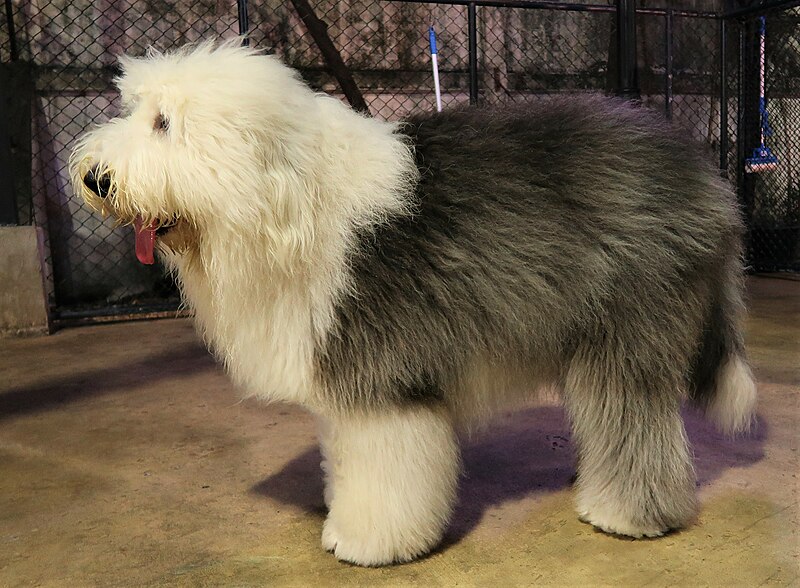
Quick Facts
| Attribute | Details |
|---|---|
| Breed Group | Herding |
| Size | Large (60-100 lbs) |
| Height | 21-22+ inches |
| Lifespan | 10-12 years |
| Temperament | Adaptable, Gentle, Smart |
| Good with Kids | Excellent |
| Good with Other Dogs | Good |
| Shedding | High (requires extensive grooming) |
| Exercise Needs | Moderate to High (1-2 hours daily) |
| Trainability | Good (can be stubborn) |
Recommended for Old English Sheepdogs
The Farmer's Dog - Fresh food for large breeds | Embark DNA - Health screening for genetic conditions | Spot Insurance - Coverage for hip dysplasia & more
Old English Sheepdog Overview
The Old English Sheepdog, affectionately known as the "OES" or "Bobtail," is a large, athletic herding breed from England. Despite their name, they're not actually that old as breeds go - they were developed in the early 19th century to drive cattle and sheep to market. Their distinctive shaggy coat protected them from harsh weather while working.
With their bear-like shuffle, peek-a-boo hairdo, and clownish personality, Old English Sheepdogs have charmed families for generations. They became popular in American advertising, most notably as the Dulux paint dog. Their gentle, playful nature and love of children make them wonderful family companions, though their grooming needs are substantial.
The Old English Sheepdog is a breed that commands attention not just for its physical appearance but for the depth of personality and capability it brings to a household. With a lifespan averaging 10-12 years, the decision to welcome an Old English Sheepdog into your family is one that will shape your daily routine, activity levels, and emotional life for well over a decade. This breed's adaptable, gentle, smart temperament is the product of generations of selective breeding for specific traits—understanding this heritage provides valuable insight into why your Old English Sheepdog behaves the way it does and what it needs from you as an owner to truly thrive.
Exceptional Old English Sheepdog care starts with understanding, not just affection. Knowing why your Old English Sheepdog behaves the way it does — what instincts drive its daily patterns, what environments suit it best, what stressors to avoid — makes every care decision more effective. Owners who build this knowledge base early tend to encounter fewer problems and enjoy the experience more fully.
Sharing your space with an Old English Sheepdog means making room — literally and figuratively — for their specific needs. Whether that involves adjusting your daily schedule, modifying part of your home, or simply being more mindful of noise and activity levels, the accommodation is real. Owners who recognize this early and plan for it tend to have a much smoother experience than those who expect the Old English Sheepdog to simply fit into their existing routine unchanged.
Temperament & Personality
Old English Sheepdogs have a delightful, fun-loving personality: Your veterinarian and experienced Old English Sheepdog owners can offer perspective tailored to your situation.
- Playful & Clownish: Known for their goofy antics and entertaining behavior.
- Gentle & Patient: Excellent with children; often become beloved nannies.
- Adaptable: Adjust well to various family situations and living arrangements.
- Social: Love being part of family activities; don't do well left alone.
- Alert: Good watchdogs with a distinctive deep bark.
The adaptable, gentle, smart nature of the Old English Sheepdog is not a simple personality label—it is a complex behavioral profile shaped by breed history, individual genetics, early socialization experiences, and ongoing environmental factors. What this means in practice is that two Old English Sheepdog from different lines, raised in different environments, can display meaningfully different behavioral tendencies while still sharing core breed characteristics. Understanding this distinction helps owners set realistic expectations and develop training strategies tailored to their individual dog rather than relying solely on breed generalizations.
A veterinarian who knows your Old English Sheepdog will see variables an article cannot; treat their input as the final adjustment.
Common Health Issues
Old English Sheepdogs have several health concerns to be aware of: Your veterinarian and experienced Old English Sheepdog owners can offer perspective tailored to your situation.
joint and skeletal conditions
- Hip Dysplasia: Common in large breeds; screening recommended.
- Elbow Dysplasia: Joint developmental abnormality.
Eye Conditions
- Progressive Retinal Atrophy (PRA): Genetic eye disease; DNA testing available.
- Cataracts: Can develop hereditary cataracts.
- Primary Ciliary Dyskinesia: Can affect eyes and respiratory system.
Other Conditions
- Hypothyroidism: Underactive thyroid; manageable with medication.
- Deafness: Some individuals may be affected.
- Autoimmune Conditions: Including immune-mediated hemolytic anemia (IMHA).
- Gastric Dilatation-Volvulus (Bloat): Deep-chested breeds at risk.
Health Screening Recommendation
Before getting an OES, ask breeders for OFA hip/elbow scores, eye certifications, and thyroid testing. Consider Embark DNA testing for comprehensive health screening including PRA.
Good health outcomes for an Old English Sheepdog depend less on reacting to problems and more on preventing them from gaining a foothold. Regular veterinary checkups, consistent parasite control, and a stable daily routine form the backbone of effective care. Owners who maintain a simple health log — noting appetite, energy, and any unusual behaviors — often spot trends their veterinarian can act on before a condition progresses to something more serious.
DNA-based health screening has become increasingly accessible for Old English Sheepdog owners who want a clearer picture of what their individual animal may face down the road. Test results do not predict the future with certainty, but they do help prioritize which screenings matter most and whether specific dietary or activity modifications might reduce risk. Think of it as one more piece of the puzzle, not a crystal ball.
As your Old English Sheepdog moves through the middle stage of life, proactive adjustments make a measurable difference. Increasing veterinary check-up frequency, revisiting nutritional needs, and being honest about whether the current activity level still suits their body are all straightforward steps. The goal is not to slow aging itself, but to ensure that each stage is met with care that actually matches where your Old English Sheepdog is, not where they were two years ago.
Cost of Ownership
Understanding the full cost helps prepare for OES ownership.
| Expense Category | Annual Cost Estimate |
|---|---|
| Food (premium quality) | $600-$1,000 |
| Veterinary Care (routine) | $300-$600 |
| Pet Insurance | $500-$900 |
| Professional Grooming | $1,200-$2,400 |
| Training (first year) | $200-$600 |
| Supplies & Toys | $250-$500 |
| Total Annual Cost | $3,050-$6,000 |
One of the more practical financial habits for Old English Sheepdog ownership is maintaining a small emergency reserve. Unplanned costs are inevitable — a damaged enclosure, an urgent vet trip, a dietary adjustment after an intolerance surfaces. Owners who budget a buffer on top of their routine expenses consistently report less financial anxiety when these situations arise.
Budget more aggressively for the first year. Beyond the obvious — food, vet visits, supplies — there are costs that catch people off guard: replacing items your Old English Sheepdog destroys during teething, emergency visits for swallowed objects, and higher food costs during rapid growth phases. After that initial period, expenses settle into a more manageable rhythm.
Owners who maintain a regular preventive care schedule for their Old English Sheepdog consistently report lower overall vet costs than those who wait for problems to appear. This makes intuitive sense: a $300 dental cleaning now avoids a $2,000 extraction later. An annual blood panel that catches early kidney changes allows dietary management instead of emergency hospitalization. The math favors prevention every time.
Exercise & Activity Requirements
Old English Sheepdogs need regular exercise to stay healthy: Your veterinarian and experienced Old English Sheepdog owners can offer perspective tailored to your situation.
- Daily Exercise: 1-2 hours of activity including walks and play
- Mental Stimulation: Puzzle toys and games engage their intelligence
- Herding Activities: Enjoy herding games and activities
- Cool Weather: Prefer cooler temperatures; prone to overheating
- Dog Sports: Can excel at agility and herding trials
Training Tips for Old English Sheepdogs
OES are intelligent but can have a stubborn streak: Understanding how this applies specifically to Old English Sheepdog helps you avoid common pitfalls.
- Start Early: Begin training and socialization as puppies while they're manageable
- Positive Methods: Respond well to praise, treats, and play rewards
- Consistency: Clear, consistent rules help them understand expectations
- Patience: May need extra patience; don't take their stubbornness personally
- Grooming Training: Train to accept extensive grooming from puppyhood
- Herding Management: Redirect herding instincts appropriately
Nutrition & Feeding
Proper nutrition supports OES health: Your veterinarian and experienced Old English Sheepdog owners can offer perspective tailored to your situation.
- Large Breed Formula: Choose food appropriate for large breeds
- Bloat Prevention: Feed 2-3 smaller meals; avoid exercise around mealtimes
- Portion Control: Monitor weight; typically 3-4 cups daily
- Joint Support: Foods with glucosamine and omega-3s beneficial
- Quality Protein: Support for their active lifestyle
Top Food Choices for OES
The Farmer's Dog - Fresh, portion-controlled meals | Ollie - Custom fresh food for large breeds | Hill's Science Diet - Large breed formulas
Feeding an Old English Sheepdog well is less about following trends and more about paying attention to your specific animal. Some Old English Sheepdogs do great on standard kibble; others need a different approach due to allergies, sensitivities, or individual metabolism. Work with your vet to find what works, and be willing to adjust as your Old English Sheepdog's needs change with age.
Pet food labels can be confusing, but you only need to focus on a few things. First ingredient should be a specific animal protein. The AAFCO nutritional adequacy statement confirms whether the food meets minimum standards. Calorie content per cup helps you portion correctly for your Old English Sheepdog's size. Everything else — the ingredient origin stories, the glossy photos — is packaging, not nutrition information.
Grooming Requirements
Old English Sheepdogs have INTENSIVE grooming needs - possibly the highest of any breed: Your veterinarian and experienced Old English Sheepdog owners can offer perspective tailored to your situation.
- Daily Brushing: 30+ minutes daily to prevent matting; essential, not optional
- Professional Grooming: Every 4-6 weeks; consider keeping in a "puppy cut" for easier maintenance
- Mat Prevention: Mats form quickly and can cause skin problems
- Bathing: Every 4-8 weeks; drying takes hours
- Face Cleaning: Clean around eyes and beard regularly
- Ear Cleaning: Weekly; ears can trap moisture under all that hair
- Nail Trimming: Every 2-4 weeks
OES Are Great For:
- Families with children who want a gentle, playful companion
- Those TRULY committed to extensive grooming (or professional grooming budget)
- People who enjoy having their dog involved in family activities
- Homes with space for a large, active dog
- Those who appreciate a dog with personality and humor
OES May Not Be Ideal For:
- Those unwilling or unable to commit to extensive grooming
- Hot climate residents without air conditioning
- People who work long hours away from home
- Those wanting a low-maintenance dog
- Apartment dwellers without adequate space
There is no universal "right owner" for an Old English Sheepdog — people from all kinds of backgrounds and living situations make it work. What they tend to share is patience, consistency, and a genuine interest in learning about their dog's needs as those needs evolve over time. If that describes you, an Old English Sheepdog is likely to be a rewarding companion.
Life with an Old English Sheepdog settles into a rhythm that many owners find surprisingly grounding. The routine of care — regular feeding, home environment management, attentive observation — becomes a steady thread through your day. Over months and years, that thread weaves into something meaningful: a genuine partnership built on trust and mutual familiarity.
Related Breeds to Consider
If you're interested in Old English Sheepdogs, you might also consider.
- Bearded Collie - Similar appearance, slightly smaller
- Briard - French herding breed, similar coat
- Polish Lowland Sheepdog - Smaller version with similar appearance
- Bouvier des Flandres - Similar size, less grooming
Ask Our AI About Old English Sheepdogs
Small effort, lasting payoff: understanding this topic well changes how you handle your Old English Sheepdog for as long as the animal is with you. Take the baseline below, observe for two to three weeks, and refine to whatever rhythm works for the specific Old English Sheepdog in your home.
Hip and Joint Health in the Old English Sheepdog
The Orthopedic Foundation for Animals (OFA) reports a hip dysplasia prevalence of approximately 15.8% in evaluated Old English Sheepdogs (large breed, typical weight 60-100 lbs). Clinical signs typically emerge between 6-18 months of age, though radiographic changes may be visible earlier via PennHIP evaluation.
Old English Sheepdogs' heavy coat and body mass place significant demands on the hip joints. Their thick coat can make visual assessment of body condition difficult — hands-on body condition scoring at every vet visit is important.
Exercise Guidelines: Moderate exercise on varied terrain. Their herding heritage means they enjoy structured activities. Regular grooming sessions provide an opportunity to assess gait and joint mobility.
Prevention & Management: Maintaining lean body condition is the single most impactful modifiable factor for joint health. Joint supplements containing glucosamine HCl, chondroitin sulfate, and omega-3 fatty acids (EPA/DHA) have demonstrated clinical benefit when started before symptomatic onset. For large breeds, large/giant breed-formulated puppy diets with controlled calcium-phosphorus ratios support proper skeletal development.
Related Health & Care Guides
Plans for a Old English Sheepdog routinely cover the obvious dimensions; this dimension tends to generate outsized returns when it is included deliberately.
Get Personalized AI Guidance
Ask Our AI NowDecision Guides for Old English Sheepdog
Use these only when comparing food, insurance, ownership budget, or beginner fit for this specific pet.