Clumber Spaniel
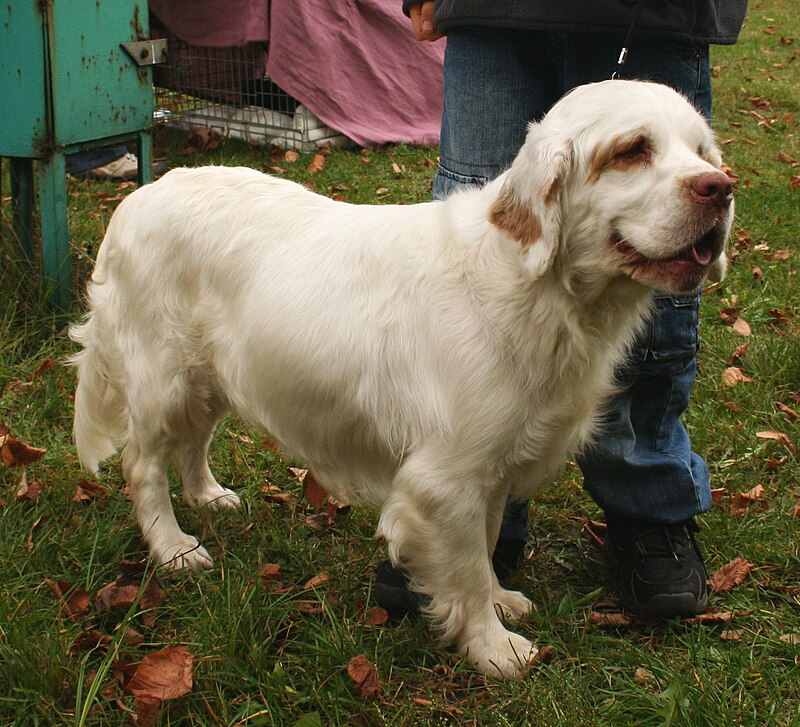
Quick Facts
| Attribute | Details |
|---|---|
| Breed Group | Sporting |
| Size | Large (55-85 lbs) |
| Height | 17-20 inches |
| Lifespan | 10-12 years |
| Temperament | Gentle, Loyal, Dignified |
| Good with Kids | Excellent |
| Good with Other Dogs | Very Good |
| Shedding | High (heavy shedding) |
| Exercise Needs | Moderate (30-60 minutes daily) |
| Trainability | Good (can be independent) |
Recommended for Clumber Spaniels
The Farmer's Dog - Fresh food for large sporting breeds | Embark DNA - Health screening for genetic conditions | Spot Insurance - Coverage for hip dysplasia & more
Clumber Spaniel Overview
The Clumber Spaniel is the largest of the flushing spaniels, a dignified and mellow breed with a distinctive white coat marked with lemon or orange. Named after Clumber Park, the estate of the Duke of Newcastle in Nottinghamshire, England, this breed has been a favorite of British royalty for centuries.
Originally bred to work as a slow, methodical hunter in heavy cover, the Clumber Spaniel excels at pushing through dense undergrowth to flush game. Their calm demeanor and steady temperament have made them beloved companions, though they remain relatively rare. The breed is known for their heavy bone structure, massive head, and soulful expression.
The Clumber Spaniel is a breed that commands attention not just for its physical appearance but for the depth of personality and capability it brings to a household. With a lifespan averaging 10-12 years, the decision to welcome a Clumber Spaniel into your family is one that will shape your daily routine, activity levels, and emotional life for well over a decade. This breed's gentle, loyal, dignified temperament is the product of generations of selective breeding for specific traits—understanding this heritage provides valuable insight into why your Clumber Spaniel behaves the way it does and what it needs from you as an owner to truly thrive.
What sets successful Clumber Spaniel owners apart is a willingness to learn about the breed on its own terms. Rather than expecting their Clumber Spaniel to conform to a generic ideal, they study the animal's inherent characteristics and adjust their approach accordingly. That kind of informed, respectful ownership creates a much better outcome for both the owner and the Clumber Spaniel.
Owning a Clumber Spaniel introduces a layer of structure to your day that can feel demanding at first but often becomes a welcome rhythm. Regular feeding, maintenance, and observation are not optional — they are the foundation of responsible care. Most experienced Clumber Spaniel owners will tell you that the routine is not the hard part; the hard part is the first few weeks of building it. After that, it feels natural.
Temperament & Personality
Clumber Spaniels are known for their gentle, dignified nature.
- Gentle & Calm: Clumbers are notably calm for a sporting breed, making excellent house dogs.
- Loyal & Devoted: They form deep bonds with their families and prefer to be near their people.
- Dignified: They carry themselves with a noble bearing but have a playful, mischievous side.
- Good with Children: Their patient, gentle nature makes them wonderful family companions.
- Independent Thinkers: They can be somewhat stubborn and may think through commands before obeying.
- Quiet: Clumbers are not excessive barkers, making them good for noise-sensitive environments.
The gentle, loyal, dignified nature of the Clumber Spaniel is not a simple personality label—it is a complex behavioral profile shaped by breed history, individual genetics, early socialization experiences, and ongoing environmental factors. What this means in practice is that two Clumber Spaniel from different lines, raised in different environments, can display meaningfully different behavioral tendencies while still sharing core breed characteristics. Understanding this distinction helps owners set realistic expectations and develop training strategies tailored to their individual dog rather than relying solely on breed generalizations.
Let the veterinary team overlay their records onto this framework — weight trend, wellness findings, and medication list all refine the defaults.
Common Health Issues
Clumber Spaniels have several health concerns potential owners should understand: Your veterinarian and experienced Clumber Spaniel owners can offer perspective tailored to your situation.
hip and joint issues
- Hip Dysplasia: Common in the breed due to their heavy build. OFA screening is essential.
- Intervertebral Disc Disease: Their long backs can be prone to spinal issues.
- Elbow Dysplasia: Can occur in this heavy-boned breed.
Eye Conditions
- Entropion/Ectropion: Their heavy facial skin can cause eyelid problems requiring correction.
- Dry Eye: Some Clumbers are prone to keratoconjunctivitis sicca.
- Cataracts: Can develop in some bloodlines.
Other Concerns
- Pyruvate Dehydrogenase Phosphatase 1 (PDP1) Deficiency: A metabolic condition found in the breed. DNA testing available.
- Exercise-Induced Collapse: Some Clumbers carry this genetic condition.
- Ear Infections: Their heavy ears trap moisture and require regular cleaning.
- Heat Sensitivity: Their heavy build makes them prone to overheating.
Health Screening Recommendation
Before getting a Clumber Spaniel, ask breeders for OFA hip and elbow evaluations, eye certifications, and PDP1 DNA testing. Consider Embark DNA testing to screen for genetic health conditions.
Cost of Ownership
Understanding the full cost helps prepare for Clumber Spaniel ownership.
| Expense Category | Annual Cost Estimate |
|---|---|
| Food (premium quality) | $600-$1,100 |
| Veterinary Care (routine) | $300-$700 |
| Pet Insurance | $450-$850 |
| Grooming | $400-$700 |
| Training (first year) | $200-$800 |
| Supplies & Toys | $200-$400 |
| Total Annual Cost | $2,150-$4,550 |
Most new Clumber Spaniel owners are surprised by first-year costs. The initial setup — vet visits, vaccinations, supplies, and often training classes — can easily double the annual maintenance figure. The good news is that subsequent years are more predictable. Just keep in mind that senior Clumber Spaniels may need additional care as they enter the last few years of their 10-12 years lifespan.
Exercise & Activity Requirements
Clumber Spaniels have moderate exercise needs: Your veterinarian and experienced Clumber Spaniel owners can offer perspective tailored to your situation.
- Daily Exercise: 30-60 minutes of moderate activity is sufficient
- Leisurely Walks: They prefer a steady pace and enjoy exploring
- Swimming: Many Clumbers enjoy water and it's easy on their joints
- Retrieving Games: They enjoy fetching despite their calm nature
- Avoid Heat: Exercise in cooler parts of the day due to heat sensitivity
- Mental Stimulation: Puzzle toys and scent games engage their hunting instincts
Training Tips for Clumber Spaniels
Clumber Spaniels respond well to patient, consistent training: Understanding how this applies specifically to Clumber Spaniel helps you avoid common pitfalls.
- Be Patient: They are independent thinkers and may consider commands before responding
- Use Positive Reinforcement: Food rewards work exceptionally well
- Keep Sessions Short: They may lose interest in repetitive training
- Start Early: Begin training and socialization as puppies
- Establish Leadership: Be consistent and fair to earn their respect
- Prevent Resource Guarding: Some Clumbers can be possessive of toys or food
Nutrition & Feeding
Proper nutrition is essential for Clumber Spaniel health: Your veterinarian and experienced Clumber Spaniel owners can offer perspective tailored to your situation.
- Weight Management: Critical to prevent obesity and protect joints
- Large Breed Formula: Supports their substantial bone structure
- Joint Support: Glucosamine and omega fatty acids for joint health
- Controlled Growth: Puppies need large-breed puppy food for proper development
- Two Meals Daily: Helps prevent bloat in this deep-chested breed
- Avoid Free Feeding: Measure portions to prevent weight gain
Top Food Choices for Clumber Spaniels
The Farmer's Dog - Fresh, portion-controlled meals | Ollie - Custom fresh food for your Clumber's needs | Hill's Science Diet - Large breed formulas
Grooming Requirements
Clumber Spaniels are heavy shedders requiring regular grooming.
- Brushing: Daily to several times weekly to manage shedding
- Bathing: Every 4-6 weeks or as needed
- Ear Cleaning: Weekly cleaning is essential
- Facial Folds: Clean regularly to prevent irritation
- Trimming: Feet, ears, and sanitary areas need regular trimming
- Nail Trimming: Every 2-4 weeks
- Drool Management: Keep a towel handy as they can drool
Is a Clumber Spaniel Right for You?
Most households put this one aside as a future task; the ones that keep it on the current-task list tend to have the smoothest long-term outcomes.
Clumber Spaniels Are Great For:
- Families wanting a calm, gentle large companion
- Those who appreciate a dignified, loyal breed
- People seeking a moderate-energy sporting dog
- Homes with children and other pets
- Those who don't mind heavy shedding and drooling
Clumber Spaniels May Not Be Ideal For:
- Those seeking a high-energy, athletic companion
- People who want a low-maintenance coat
- Hot climates without air conditioning
- Those who want a highly obedient, quick-to-respond dog
- People sensitive to dog hair or drool
Whether a Clumber Spaniel fits your life comes down to a few practical questions. How much time can you realistically spend on exercise, grooming, and training each day? Is your living space suitable? Can you afford both routine care and the occasional surprise vet bill over the next 10-12 years? If the honest answers line up, a Clumber Spaniel can be a genuinely good match. If they don't, there is no shame in choosing a different dog — or waiting until your circumstances change.
Related Breeds to Consider
If you're interested in Clumber Spaniels, you might also consider.
- Sussex Spaniel - Smaller, similar calm temperament
- English Springer Spaniel - More active, similar heritage
- Basset Hound - Similar low-energy, easygoing nature
- Golden Retriever - Similar friendly, family-oriented disposition
Ask Our AI About Clumber Spaniels
Related Health & Care Guides
A sharper view of this part of Clumber Spaniel care puts you in a better position to make decisions the animal can actually feel. Because each Clumber Spaniel is its own animal, treat any general guideline as a starting point and refine from there.
Get Personalized AI Guidance
Ask Our AI NowDecision Guides for Clumber Spaniel
Use these only when comparing food, insurance, ownership budget, or beginner fit for this specific pet.