Black And Tan Coonhound
Quick Facts
| Attribute | Details |
|---|---|
| Breed Group | Hound |
| Size | Large (65-110 lbs) |
| Height | 23-27 inches |
| Lifespan | 10-12 years |
| Temperament | Easygoing, Friendly, Bright |
| Good with Kids | Excellent |
| Good with Other Dogs | Excellent |
| Shedding | Moderate |
| Exercise Needs | High (1-2 hours daily) |
| Trainability | Moderate (independent thinker) |
Recommended for Black and Tan Coonhounds
The Farmer's Dog - Fresh food for large active breeds | Embark DNA - Health and genetic screening | Spot Insurance - Coverage for hip dysplasia & more
Black and Tan Coonhound Overview
The Black and Tan Coonhound is one of America's earliest native breeds, developed from Bloodhounds and Foxhounds brought to the colonies. They were the first coonhound breed to be recognized by the AKC (in 1945) and are known for their exceptional tracking ability and distinctive appearance.
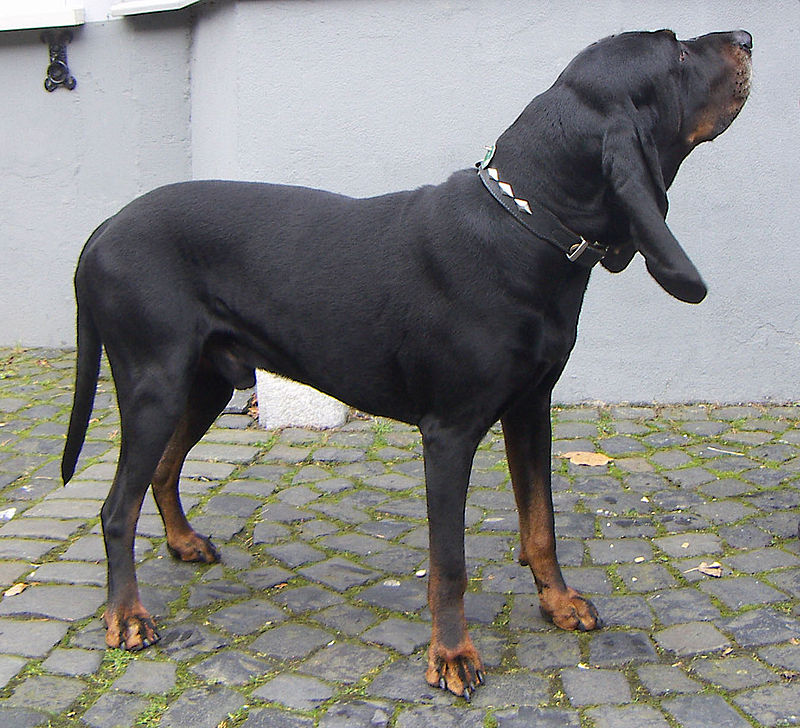
With their striking black coat with rich tan markings, long ears, and soulful expression, Black and Tan Coonhounds are both beautiful and functional. Bred to track raccoons and larger game like bear and mountain lion, they possess incredible stamina and one of the most powerful noses in the dog world.
The Black and Tan Coonhound is a breed that commands attention not just for its physical appearance but for the depth of personality and capability it brings to a household. With a lifespan averaging 10-12 years, the decision to welcome a Black and Tan Coonhound into your family is one that will shape your daily routine, activity levels, and emotional life for well over a decade. This breed's easygoing, friendly, bright temperament is the product of generations of selective breeding for specific traits—understanding this heritage provides valuable insight into why your Black and Tan Coonhound behaves the way it does and what it needs from you as an owner to truly thrive.
The difference between a good Black And Tan Coonhound owner and a great one comes down to understanding what this particular animal actually needs, rather than projecting assumptions based on appearance or general expectations. Every Black And Tan Coonhound has traits rooted in its background that influence behavior, health, and daily care requirements. Working with those traits — instead of against them — is the foundation of a successful experience.
Welcoming a Black And Tan Coonhound into your home is less about adding a pet and more about adopting a new set of daily responsibilities. Their needs will influence how you organize your mornings, what you prioritize on weekends, and how you plan time away from home. The transition is smoother for owners who go in with realistic expectations about what this commitment actually looks like day to day.
Temperament & Personality
Black and Tan Coonhounds are gentle, friendly dogs: Understanding how this applies specifically to Black And Tan Coonhound helps you avoid common pitfalls.
- Easygoing & Mellow: When their exercise needs are met, they are calm, relaxed companions.
- Friendly & Social: They love people and are excellent with children.
- Pack-Oriented: They get along wonderfully with other dogs.
- Independent: Bred to work at a distance, they think for themselves.
- Vocal: They have a deep, melodious bay that carries for miles.
- Strong Prey Drive: Their tracking instincts are powerful and persistent.
The easygoing, friendly, bright nature of the Black and Tan Coonhound is not a simple personality label—it is a complex behavioral profile shaped by breed history, individual genetics, early socialization experiences, and ongoing environmental factors. What this means in practice is that two Black and Tan Coonhound from different lines, raised in different environments, can display meaningfully different behavioral tendencies while still sharing core breed characteristics. Understanding this distinction helps owners set realistic expectations and develop training strategies tailored to their individual dog rather than relying solely on breed generalizations.
Social behavior in Black and Tan Coonhound develops through distinct life stages, and each stage presents opportunities and challenges for owners. The critical socialization window (roughly 3-16 weeks) is when exposure to varied people, animals, environments, and experiences has the greatest positive impact on long-term behavioral stability. However, socialization is not an one-time event—it is an ongoing process that requires continued positive exposure throughout the dog's life. Black and Tan Coonhound that are well-socialized as puppies but then isolated can experience social regression, while dogs with less-than-ideal early socialization can improve significantly with patient, positive exposure later in life. The key is consistency and quality of experiences rather than sheer quantity.
Managing the Black and Tan Coonhound's energy and drive within a household context requires strategic thinking rather than just exercise. While physical activity is important, mental stimulation is equally essential for this breed's behavioral balance. Black and Tan Coonhound that receive adequate physical exercise but insufficient mental engagement often develop nuisance behaviors such as excessive barking, destructive chewing, or repetitive behaviors. Effective mental stimulation for Black and Tan Coonhound includes structured training sessions, puzzle toys, scent work, novel environment exploration, and activities that engage their breed-specific instincts in appropriate ways. Many experienced Black and Tan Coonhound owners report that 15 minutes of focused mental exercise produces more behavioral satisfaction than an hour of repetitive physical activity.
Common Health Issues
Black and Tan Coonhounds have some breed-specific health concerns.
Potential Health Concerns
- Hip Dysplasia: Common in larger breeds; breeders should test.
- Ear Infections: Their extremely long ears require diligent cleaning.
- Bloat (GDV): Deep-chested breeds are at risk for gastric torsion.
- Coonhound Paralysis: A neurological reaction to raccoon saliva causing temporary paralysis.
Less Common Issues
- Ectropion: Droopy lower eyelids that can cause eye issues.
- Hypothyroidism: Underactive thyroid can occur.
- Cataracts: Eye problems may develop.
Health Screening Recommendation
Request hip and elbow evaluations from breeders. Be aware of Coonhound Paralysis if hunting raccoons. Consider Embark DNA testing for comprehensive health screening.
Preventive care for a Black And Tan Coonhound is not just about annual exams — it is a mindset. Watching for changes in appetite, mobility, coat texture, and energy at home provides early clues that something may be developing beneath the surface. When you bring those observations to your vet consistently, you create a health timeline that makes pattern recognition possible. That partnership between attentive ownership and professional guidance is what keeps most Black And Tan Coonhounds in good shape throughout their lives.
Understanding your Black And Tan Coonhound's genetic makeup can guide decisions about everything from exercise intensity to supplement choices. Breed-relevant DNA panels identify carrier status for conditions that may not show up for years, giving owners and veterinarians time to plan rather than scramble. It is one of the more practical tools available for anyone committed to keeping their Black And Tan Coonhound in the best possible shape.
Planning for your Black And Tan Coonhound's senior phase begins well before the grey appears. Around the midpoint of their expected lifespan, it makes sense to discuss enhanced screening options with your vet and consider whether their current diet and exercise regimen still fits their changing body. Black And Tan Coonhounds that receive thoughtful, consistent care through this transition tend to maintain vitality and comfort far longer than those whose care remains static.
Cost of Ownership
Black and Tan Coonhounds have moderate to high ownership costs due to size: Your veterinarian and experienced Black And Tan Coonhound owners can offer perspective tailored to your situation.
| Expense Category | Annual Cost Estimate |
|---|---|
| Food (premium quality) | $600-$1,000 |
| Veterinary Care (routine) | $350-$600 |
| Pet Insurance | $400-$700 |
| Grooming | $100-$250 |
| Training (first year) | $200-$600 |
| Supplies & Toys | $200-$350 |
| Total Annual Cost | $1,850-$3,500 |
Save on Black and Tan Coonhound Care
Material diet transitions benefit from a pre-change vet conversation, particularly when medications or diagnostic monitoring is already in place.
These cost ranges reflect typical spending, but every Black and Tan Coonhound is different. Some sail through life with minimal health issues, while others need more veterinary attention. Geographic location also plays a role — veterinary fees, grooming costs, and even pet food prices vary widely between regions. Use these numbers as a planning baseline, not a guarantee.
Year one hits the wallet hardest. Between the initial purchase or adoption fee, puppy vaccinations, spay/neuter surgery, starter supplies, and often some form of professional training, expect to spend noticeably more than in subsequent years. Once those one-time costs are behind you, annual spending drops — though it tends to creep back up as your Black and Tan Coonhound ages and needs more frequent veterinary attention in the later years.
Preventive care is not glamorous, but it is the single best investment you can make in your Black and Tan Coonhound's health. Routine wellness exams catch problems early, when treatment is simpler and cheaper. Keeping up with vaccinations, dental cleanings, and parasite prevention costs a fraction of what treating the resulting diseases would. Most veterinary professionals agree that consistent preventive care extends both the length and quality of a Black and Tan Coonhound's life.
Exercise & Activity Requirements
Black and Tan Coonhounds need significant daily exercise.
- Daily Exercise: 1-2 hours of vigorous activity
- Tracking & Scent Work: Their nose needs regular work
- Secure Fencing: Essential - they will follow scent trails relentlessly
- Hunting: Many still work as hunting dogs
- Long Walks: They have excellent endurance for hiking
- Never Off-Leash: Their tracking instinct overrides recall
Training Tips for Black and Tan Coonhounds
Black and Tan Coonhounds need patient, consistent training.
- Food Motivation: They typically respond well to treats
- Positive Reinforcement: They respond poorly to harsh corrections
- Patience: Training requires time due to their independent nature
- Scent Training: Channel their abilities productively
- Early Socialization: Expose to many situations while young
- Accept Limitations: Off-leash reliability may not be achievable
Nutrition & Feeding
Black and Tan Coonhounds need quality nutrition for their size: Your veterinarian and experienced Black And Tan Coonhound owners can offer perspective tailored to your situation.
- High-Quality Protein: Supports their large, muscular frame
- Multiple Meals: 2-3 meals daily to reduce bloat risk
- Monitor Weight: They can become overweight if under-exercised
- Slow Feeders: May help prevent gulping and bloat
- Fresh Water: Always available
Top Food Choices for Black and Tan Coonhounds
The Farmer's Dog - Fresh, portion-controlled meals | Ollie - Custom fresh food for large breeds | Hill's Science Diet - Large breed formulas
Feeding a Black and Tan Coonhound well is less about following trends and more about paying attention to your specific animal. Some Black and Tan Coonhounds do great on standard kibble; others need a different approach due to allergies, sensitivities, or individual metabolism. Work with your vet to find what works, and be willing to adjust as your Black and Tan Coonhound's needs change with age.
Learning to read a pet food label takes five minutes and will serve you for the life of your Black and Tan Coonhound. Check that a named protein (chicken, beef, salmon — not "meat meal") is the first ingredient. Look at the guaranteed analysis for protein and fat percentages that match your Black and Tan Coonhound's needs. Ignore marketing terms like "premium" and "gourmet" — they have no regulatory meaning. The AAFCO statement on the back tells you whether the food is complete and balanced for a specific life stage, which is the information that actually matters.
Grooming Requirements
Black and Tan Coonhounds have moderate grooming needs.
- Brushing: Weekly brushing removes loose hair
- Bathing: As needed - they have a strong hound odor
- Ear Cleaning: 2-3 times weekly - their long ears need constant attention
- Nail Trimming: Every 2-3 weeks
- Dental Care: Daily brushing recommended
- Skin Folds: Check and clean facial wrinkles if present
Black and Tan Coonhounds Are Great For:
- Active families with large, fenced yards
- Hunters wanting a versatile tracking dog
- Homes with other dogs
- Those who appreciate the classic hound personality
- People with space and time for a large, active dog
Black and Tan Coonhounds May Not Be Ideal For:
- Apartment dwellers
- Close neighborhoods (very vocal)
- Sedentary owners
- Those sensitive to "hound odor"
- People wanting off-leash reliability
- Homes with small pets
A Black and Tan Coonhound is not for everyone, and that is perfectly fine. What matters is making the choice based on realistic expectations rather than idealized breed descriptions. Spend time around actual Black and Tan Coonhound dogs before committing. Visit rescues, attend meet-ups, or ask a friend who owns one if you can dog-sit for a weekend. That firsthand experience is worth more than a hundred online guides.
People who live with a Black and Tan Coonhound tend to develop a deep appreciation for the breed's personality — the easygoing, friendly, bright nature becomes part of the household's rhythm. That bond does not happen overnight, but it builds steadily when care is consistent and expectations are grounded.
Related Breeds to Consider
If you're interested in Black and Tan Coonhounds, you might also consider.
- Bluetick Coonhound - Similar with distinctive coloring
- Redbone Coonhound - Solid red coonhound
- Treeing Walker Coonhound - Slightly smaller, tricolor
- Bloodhound - Ancestor breed with even more powerful nose
Ask Our AI About Black and Tan Coonhounds
Have specific questions about Black and Tan Coonhound health, training, or care? Our AI assistant can provide personalized guidance.
Related Health & Care Guides
Treat the generic guidance as a template; substantive gains come from replacing defaults with the specifics of your own animal.
Get Personalized AI Guidance
Have specific questions about your pet? Our AI assistant provides expert-level, personalized advice based on your pet's unique needs and situation.
Ask Our AI NowDecision Guides for Black and Tan Coonhound
Use these only when comparing food, insurance, ownership budget, or beginner fit for this specific pet.