Berger Picard
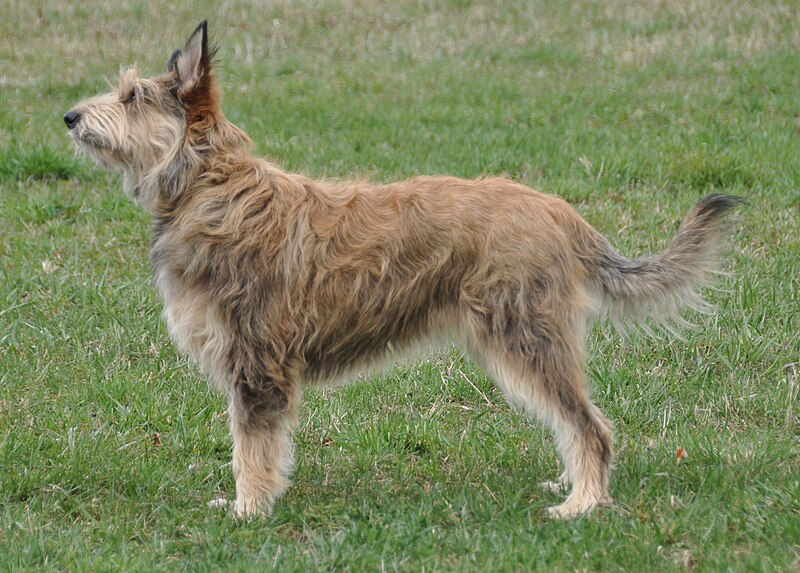
Quick Facts
| Attribute | Details |
|---|---|
| Breed Group | Herding |
| Size | Medium to Large (50-70 lbs) |
| Height | 21.5-25.5 inches |
| Lifespan | 12-13 years |
| Temperament | Loyal, Observant, Good-Natured |
| Good with Kids | Excellent |
| Good with Other Dogs | Good (with socialization) |
| Shedding | Low to Moderate |
| Exercise Needs | High (1-2 hours daily) |
| Trainability | Good (can be stubborn) |
Recommended for Berger Picards
The Farmer's Dog - Fresh food for active herding breeds | Embark DNA - Health screening for genetic conditions | Spot Insurance - Coverage for herding breed health needs
Berger Picard Overview
The Berger Picard (pronounced "bare-ZHAY pee-CARR") is one of the oldest French herding breeds, with origins dating back to the 9th century when Celts brought them to northern France. Their distinctive shaggy coat, erect ears, and mischievous expression have captured hearts, especially after appearing in the 2005 film "Because of Winn-Dixie."
This rare breed nearly became extinct after both World Wars but has been carefully preserved by dedicated breeders. Berger Picards are known for their even temperament, intelligence, and unwavering loyalty. They remain relatively rare, with only about 400 in the United States, making them a special choice for dedicated owners.
The Berger Picard is a breed that commands attention not just for its physical appearance but for the depth of personality and capability it brings to a household. With a lifespan averaging 12-13 years, the decision to welcome a Berger Picard into your family is one that will shape your daily routine, activity levels, and emotional life for well over a decade. This breed's loyal, observant, good-natured temperament is the product of generations of selective breeding for specific traits—understanding this heritage provides valuable insight into why your Berger Picard behaves the way it does and what it needs from you as an owner to truly thrive.
Flag planned diet changes to the vet before starting — the five-minute conversation routinely catches interactions a general guide cannot anticipate.
Welcoming a Berger Picard into your home is less about adding a pet and more about adopting a new set of daily responsibilities. Their needs will influence how you organize your mornings, what you prioritize on weekends, and how you plan time away from home. The transition is smoother for owners who go in with realistic expectations about what this commitment actually looks like day to day.
Temperament & Personality
Berger Picards have a delightful and engaging personality: Your veterinarian and experienced Berger Picard owners can offer perspective tailored to your situation.
- Loyal & Devoted: They form exceptionally strong bonds with their families and prefer to be involved in all activities.
- Observant & Alert: Picards are natural watchdogs, always aware of their surroundings without being overly aggressive.
- Good-Natured: Despite their alert nature, they are generally friendly and good-natured with a quiet confidence.
- Independent Thinkers: Like many herding breeds, they can be stubborn and may require patient, creative training.
- Playful & Clownish: Picards maintain a puppyish sense of humor well into adulthood and enjoy making their families laugh.
The loyal, observant, good-natured nature of the Berger Picard is not a simple personality label—it is a complex behavioral profile shaped by breed history, individual genetics, early socialization experiences, and ongoing environmental factors. What this means in practice is that two Berger Picard from different lines, raised in different environments, can display meaningfully different behavioral tendencies while still sharing core breed characteristics. Understanding this distinction helps owners set realistic expectations and develop training strategies tailored to their individual dog rather than relying solely on breed generalizations.
Common Health Issues
Berger Picards are generally healthy dogs with few breed-specific issues: Understanding how this applies specifically to Berger Picard helps you avoid common pitfalls.
Eye Conditions
- Progressive Retinal Atrophy (PRA): Genetic condition causing gradual vision loss. DNA testing available.
- Cataracts: Can develop in some lines, particularly in older dogs.
skeletal and joint concerns
- Hip Dysplasia: Less common than in many breeds but can occur. OFA screening recommended.
dental disease, skin conditions, and breed-related eye problems
- Allergies: Some Picards may develop skin allergies or food sensitivities.
- Sensitive Digestive System: Some dogs have sensitive stomachs requiring careful diet management.
Health Screening Recommendation
Before getting a Berger Picard, ask breeders for hip scores, eye certifications, and PRA testing results. Consider Embark DNA testing for comprehensive genetic health screening.
Preventive care for a Berger Picard is not just about annual exams — it is a mindset. Watching for changes in appetite, mobility, coat texture, and energy at home provides early clues that something may be developing beneath the surface. When you bring those observations to your vet consistently, you create a health timeline that makes pattern recognition possible. That partnership between attentive ownership and professional guidance is what keeps most Berger Picards in good shape throughout their lives.
Understanding your Berger Picard's genetic makeup can guide decisions about everything from exercise intensity to supplement choices. Breed-relevant DNA panels identify carrier status for conditions that may not show up for years, giving owners and veterinarians time to plan rather than scramble. It is one of the more practical tools available for anyone committed to keeping their Berger Picard in the best possible shape.
Planning for your Berger Picard's senior phase begins well before the grey appears. Around the midpoint of their expected lifespan, it makes sense to discuss enhanced screening options with your vet and consider whether their current diet and exercise regimen still fits their changing body. Berger Picards that receive thoughtful, consistent care through this transition tend to maintain vitality and comfort far longer than those whose care remains static.
Cost of Ownership
Understanding the full cost helps prepare for Picard ownership: Your veterinarian and experienced Berger Picard owners can offer perspective tailored to your situation.
| Expense Category | Annual Cost Estimate |
|---|---|
| Food (premium quality) | $500-$1,000 |
| Veterinary Care (routine) | $300-$500 |
| Pet Insurance | $400-$700 |
| Grooming | $100-$200 |
| Training (first year) | $300-$1,000 |
| Supplies & Toys | $200-$400 |
| Total Annual Cost | $1,800-$3,800 |
Exercise & Activity Requirements
Berger Picards are active dogs needing regular exercise.
- Daily Exercise: 1-2 hours of activity including walks, runs, or play sessions
- Mental Stimulation: Puzzle toys, training games, and interactive activities
- Dog Sports: Excel at agility, herding trials, tracking, and obedience
- Outdoor Adventures: Enjoy hiking, swimming, and exploring
- Play Sessions: Love interactive games with their families
Training Tips for Berger Picards
Picards are intelligent but can be independent thinkers.
- Positive Reinforcement: Reward-based training works best - they don't respond well to harsh methods
- Early Socialization: Essential for developing a confident, well-adjusted adult
- Patient Approach: Their stubborn streak requires patience and consistency
- Keep It Interesting: Vary training routines to maintain their interest
- Sense of Humor: Their clownish nature means training should be fun
Nutrition & Feeding
Proper nutrition keeps Picards healthy and active.
- Quality Protein: Choose foods with high-quality animal protein sources
- Moderate Portions: Avoid overfeeding - adjust based on activity level
- Limited Ingredient Diets: May benefit dogs with sensitive stomachs
- Joint Support: Include omega-3s for joint and coat health
- Avoid Fillers: Some Picards do better without grains or common allergens
Top Food Choices for Berger Picards
The Farmer's Dog - Fresh, customized meal plans | Ollie - Fresh food with limited ingredients | Hill's Science Diet - Sensitive stomach formulas available
Grooming Requirements
Their rustic coat is surprisingly low-maintenance: Your veterinarian and experienced Berger Picard owners can offer perspective tailored to your situation.
- Brushing: Weekly brushing to remove loose hair and prevent matting
- Bathing: Rarely needed (every 2-3 months) - their coat naturally repels dirt
- No Trimming: The coat should be left natural, not trimmed or shaped
- Ear Cleaning: Regular checks, especially given their erect ears
- Nail Trimming: Every 3-4 weeks
Berger Picards Are Great For:
- Active families who enjoy outdoor activities
- Those seeking a loyal, devoted companion
- Homes with children (they're patient and playful)
- Owners who appreciate independent-minded dogs
- Those interested in dog sports or activities
Berger Picards May Not Be Ideal For:
- Those wanting immediate, eager-to-please obedience
- Sedentary households unable to provide adequate exercise
- Owners who travel frequently and cannot bring their dog
- Those seeking a breed that's easy to find (they're rare)
- Small apartments without access to outdoor space
A Berger Picard is not for everyone, and that is perfectly fine. What matters is making the choice based on realistic expectations rather than idealized breed descriptions. Spend time around actual Berger Picard dogs before committing. Visit rescues, attend meet-ups, or ask a friend who owns one if you can dog-sit for a weekend. That firsthand experience is worth more than a hundred online guides.
People who live with a Berger Picard tend to develop a deep appreciation for the breed's personality — the loyal, observant, good-natured nature becomes part of the household's rhythm. That bond does not happen overnight, but it builds steadily when care is consistent and expectations are grounded.
Related Breeds to Consider
If you're interested in Berger Picards, you might also consider.
- Briard - Another French herding breed with a distinctive coat
- Beauceron - French herding breed, smooth-coated
- Dutch Shepherd - Similar versatile herding breed
- Belgian Tervuren - Elegant herding breed with similar intelligence
Ask Our AI About Berger Picards
Owners who bother to understand the Berger Picard's natural tendencies usually build deeper trust with the animal too.
Related Health & Care Guides
Personalization beats protocol: the more the routine reflects this Berger Picard, the better the outcomes.
Get Personalized AI Guidance
Ask Our AI NowDecision Guides for Berger Picard
Use these only when comparing food, insurance, ownership budget, or beginner fit for this specific pet.