Azawakh
Quick Facts
| Attribute | Details |
|---|---|
| Breed Group | Hound |
| Size | Large (33-55 lbs) |
| Height | 23.5-29 inches |
| Lifespan | 12-15 years |
| Temperament | Loyal, Reserved, Proud |
| Good with Kids | Moderate (better with older children) |
| Good with Other Dogs | Moderate (best with familiar dogs) |
| Shedding | Low |
| Exercise Needs | High (1-2 hours daily) |
| Trainability | Challenging (independent and aloof) |
Recommended for Azawakhs
The Farmer's Dog - Fresh food for athletic sighthounds | Embark DNA - Comprehensive health screening | Spot Insurance - Coverage for rare breed conditions
Azawakh Overview
The Azawakh is a rare and ancient sighthound from the Sahel region of Africa, named after the Azawakh Valley in the Sahara Desert. For thousands of years, these elegant dogs have served the nomadic Tuareg people as hunters, guardians, and status symbols. They are one of the few African dog breeds to gain international recognition.
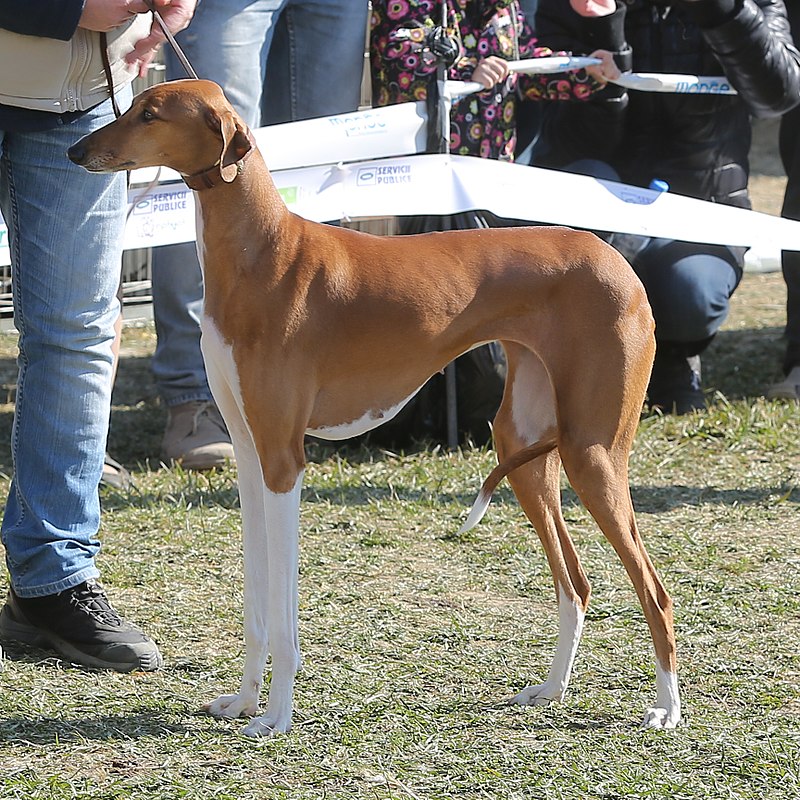
Tall and refined with a distinctively dry, muscular build, the Azawakh is built for speed and endurance in harsh desert conditions. Their thin skin is stretched tight over their frame, with bones and muscles clearly visible - this is normal and healthy for the breed, not a sign of malnutrition.
The Azawakh is a breed that commands attention not just for its physical appearance but for the depth of personality and capability it brings to a household. With a lifespan averaging 12-15 years, the decision to welcome an Azawakh into your family is one that will shape your daily routine, activity levels, and emotional life for well over a decade. This breed's loyal, reserved, proud temperament is the product of generations of selective breeding for specific traits—understanding this heritage provides valuable insight into why your Azawakh behaves the way it does and what it needs from you as an owner to truly thrive.
The Azawakh was not designed to be a generic pet, and the owners who do best with them are the ones who respect that. Learning about the breed's specific temperament, activity needs, and health predispositions takes effort, but that effort directly translates into a healthier, happier Azawakh and a more rewarding ownership experience overall.
A Azawakh will change your household in ways both expected and surprising. Some of those changes are practical — new equipment, a feeding schedule, a cleaning routine. Others are subtler: a heightened awareness of temperature, a new attentiveness to behavior, a different rhythm to your evenings. Owners who welcome these shifts rather than resisting them tend to build a more harmonious relationship with their Azawakh.
Temperament & Personality
Azawakhs have a complex personality that requires understanding.
- Deeply Loyal: They form intense bonds with their family and are fiercely devoted to their people.
- Reserved & Aloof: Naturally suspicious of strangers, they take time to warm up to new people.
- Proud & Dignified: They carry themselves with a regal bearing and expect to be treated with respect.
- Protective: Unlike many sighthounds, they have strong guarding instincts and will protect their family.
- Pack-Oriented: They do best with other dogs, especially other sighthounds or their own kind.
- Sensitive: They are emotionally sensitive and deeply affected by their owner's moods.
The loyal, reserved, proud nature of the Azawakh is not a simple personality label—it is a complex behavioral profile shaped by breed history, individual genetics, early socialization experiences, and ongoing environmental factors. What this means in practice is that two Azawakh from different lines, raised in different environments, can display meaningfully different behavioral tendencies while still sharing core breed characteristics. Understanding this distinction helps owners set realistic expectations and develop training strategies tailored to their individual dog rather than relying solely on breed generalizations.
Reading this is step one, booking a routine vet visit to tune it to your Azawakh's lifestyle is step two.
Common Health Issues
Azawakhs are generally healthy but have some breed-specific concerns.
Potential Health Concerns
- Hypothyroidism: More common in Azawakhs than many breeds. Regular thyroid testing recommended.
- Seizures: Epilepsy occurs in some lines. Breeders should be asked about seizure history.
- heart conditions: Some heart conditions have been reported. Cardiac screening recommended.
- Autoimmune Conditions: Including autoimmune thyroiditis and other autoimmune disorders.
Physical Considerations
- Anesthesia Sensitivity: Critical - veterinarians must use sighthound-appropriate protocols.
- Cold Intolerance: Their thin coat and low body fat make them very sensitive to cold.
- Bloat Risk: Deep-chested breeds are susceptible to gastric torsion.
- Thin Skin: Prone to cuts and scrapes that need proper care.
Health Screening Recommendation
Request thyroid panels, cardiac evaluations, and seizure history from breeders. Find a veterinarian experienced with sighthounds. Consider Embark DNA testing for comprehensive genetic screening.
Taking care of an Azawakh's long-term health means knowing what to watch for and when to act. Rather than waiting for obvious symptoms, experienced owners learn to read the quieter signals: a skipped meal here, a hesitation on the stairs there. Bringing those details to your vet during regular visits creates a much richer clinical picture than a single exam can provide on its own, and it is often the difference between catching an issue early and dealing with it late.
Genetic testing gives Azawakh owners a head start on conditions that might otherwise catch them off guard. By understanding which health risks are written into your Azawakh's DNA, you can work with your vet to schedule targeted checks and make informed choices about diet, exercise, and supplementation. The information is not a diagnosis — it is a roadmap for smarter, more personalized care.
The shift from prime adulthood to the senior phase is gradual for most Azawakhs, and the owners who navigate it best are the ones who adapt their care approach incrementally. Small changes — a diet with better joint support, slightly shorter but more frequent exercise sessions, and annual bloodwork instead of biennial — add up to a meaningfully better quality of life in the later years.
Cost of Ownership
Azawakhs are extremely rare, with high initial costs but moderate maintenance: Understanding how this applies specifically to Azawakh helps you avoid common pitfalls.
| Expense Category | Annual Cost Estimate |
|---|---|
| Food (premium quality) | $500-$900 |
| Veterinary Care (routine) | $300-$600 |
| Pet Insurance | $400-$700 |
| Grooming | $50-$150 |
| Training (first year) | $300-$1,000 |
| Supplies & Toys | $150-$300 |
| Total Annual Cost | $1,700-$3,650 |
Most new Azawakh owners are surprised by first-year costs. The initial setup — vet visits, vaccinations, supplies, and often training classes — can easily double the annual maintenance figure. The good news is that subsequent years are more predictable. Just keep in mind that senior Azawakhs may need additional care as they enter the last few years of their 12-15 years lifespan.
Exercise & Activity Requirements
Azawakhs need significant exercise to stay healthy and happy.
- Daily Exercise: 1-2 hours of activity including long walks and opportunities to run
- Secure Fencing: Minimum 6 feet - they are exceptional jumpers and can clear lower fences
- Lure Coursing: Excellent outlet for their incredible speed and prey drive
- Running Partner: Once mature, they make excellent jogging companions
- Warm Weather Exercise: They thrive in warm climates and love running in heat that would exhaust other breeds
- Mental Stimulation: They need mental challenges to prevent boredom
Training Tips for Azawakhs
Azawakhs are intelligent but challenging to train due to their independent nature.
- Build Relationship First: Training only works when trust is established
- Positive Methods Only: They will shut down or become defensive with harsh corrections
- Respect Their Intelligence: They learn quickly but may choose not to comply
- Extensive Socialization: Critical from puppyhood to prevent excessive aloofness
- Patience Required: Progress may be slower than with more biddable breeds
- Never Off-Leash: Their prey drive makes recall unreliable in unfenced areas
Nutrition & Feeding
Azawakhs need careful nutrition management.
- High-Quality Protein: Essential for maintaining their lean muscle mass
- Maintain Lean Build: They should look lean - visible ribs are normal and healthy
- Don't Overfeed: Extra weight stresses their joints and cardiovascular system
- Multiple Small Meals: 2-3 meals daily to help prevent bloat
- Avoid Exercise After Meals: Wait 1-2 hours to reduce bloat risk
Top Food Choices for Azawakhs
The Farmer's Dog - Fresh, portion-controlled meals | Ollie - Custom fresh food for your Azawakh's needs | Hill's Science Diet - Vet-recommended formulas
When it comes to Azawakh nutrition, simplicity usually wins. A well-formulated food that meets your Azawakh's specific needs is better than a rotation of trendy diets. Focus on protein quality, calorie appropriateness for your Azawakh's size and activity level, and avoiding ingredients your Azawakh does not tolerate well. The rest is marketing.
Grooming Requirements
Azawakhs have minimal grooming needs: Every Azawakh benefits from an owner willing to dig below surface-level recommendations.
- Brushing: Weekly brushing with a soft brush or hound glove
- Bathing: Only as needed - they have little doggy odor
- Nail Trimming: Every 2-3 weeks
- Ear Cleaning: Weekly checks and cleaning as needed
- Dental Care: Daily brushing recommended
- Skin Care: Monitor for cuts and scrapes due to thin skin
Azawakhs Are Great For:
- Experienced sighthound owners seeking a challenge
- Those wanting a loyal, devoted companion
- Warm climate residents with secure, large yards
- People who appreciate independent, cat-like dogs
- Lure coursing enthusiasts
Azawakhs May Not Be Ideal For:
- First-time dog owners
- Families with young children or small pets
- Cold climate residents without heated indoor space
- Those wanting an immediately friendly, outgoing dog
- People without secure, high fencing
- Those expecting quick, easy training
Whether an Azawakh fits your life comes down to a few practical questions. How much time can you realistically spend on exercise, grooming, and training each day? Is your living space suitable? Can you afford both routine care and the occasional surprise vet bill over the next 12-15 years? If the honest answers line up, an Azawakh can be a genuinely good match. If they don't, there is no shame in choosing a different dog — or waiting until your circumstances change.
People who live with an Azawakh tend to develop a deep appreciation for the breed's personality — the loyal, reserved, proud nature becomes part of the household's rhythm. That bond does not happen overnight, but it builds steadily when care is consistent and expectations are grounded.
Related Breeds to Consider
If you're interested in Azawakhs, you might also consider.
- Sloughi - Similar African sighthound, slightly more approachable
- Saluki - Ancient Middle Eastern sighthound
- Greyhound - More readily available sighthound
- Basenji - African breed with similar independent nature
Ask Our AI About Azawakhs
A confident read of this side of Azawakh care puts you in a better position to make decisions the animal can actually feel. A little back and forth is expected, a Azawakh tends to signal clearly when something fits and when it does not.
Related Health & Care Guides
This is the kind of work that rarely looks essential in isolation and becomes obviously essential in aggregate.
Get Personalized AI Guidance
Ask Our AI NowDecision Guides for Azawakh
Use these only when comparing food, insurance, ownership budget, or beginner fit for this specific pet.