Alaskan Malamute
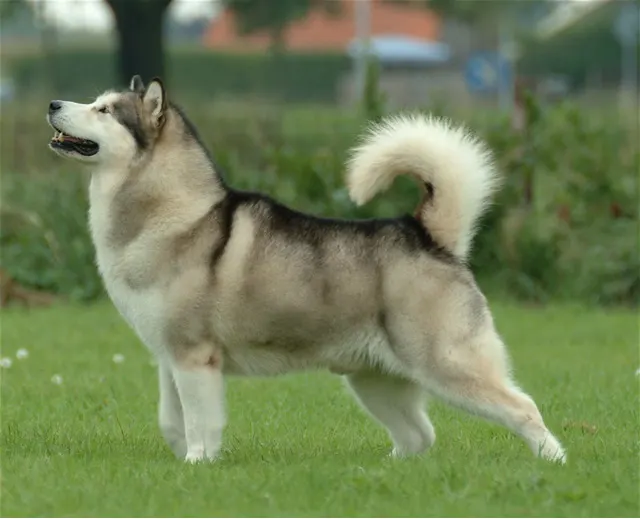
Quick Facts
| Attribute | Details |
|---|---|
| Breed Group | Working |
| Size | Large (75-100 lbs) |
| Height | 23-25 in |
| Lifespan | 10-14 years |
| Temperament | Affectionate, Loyal, Playful |
| Good with Kids | Good |
| Shedding | Low |
| Exercise Needs | High |
| Grooming Needs | High |
Recommended for Alaskan Malamutes
A veterinarian who knows your Alaskan Malamute will see variables an article cannot; treat their input as the final adjustment.
Alaskan Malamute Overview
The Alaskan Malamute is a large working breed known for being affectionate, loyal, playful. Weighing 75-100 lbs and standing 23-25 in tall, this breed combines an appealing appearance with a wonderful temperament that has made it a favorite among dog enthusiasts worldwide. With a lifespan of 10-14 years, the Alaskan Malamute offers years of loyal companionship.
Originally developed for various working tasks including guarding, pulling, and rescue, the Alaskan Malamute has evolved into an excellent family companion while retaining many of its original instincts and abilities.
Alaskan Malamutes are good family dogs that do well with respectful children.
The Alaskan Malamute is a breed that commands attention not just for its physical appearance but for the depth of personality and capability it brings to a household. With a lifespan averaging 10-14 years, the decision to welcome an Alaskan Malamute into your family is one that will shape your daily routine, activity levels, and emotional life for well over a decade. This breed's affectionate, loyal, playful temperament is the product of generations of selective breeding for specific traits—understanding this heritage provides valuable insight into why your Alaskan Malamute behaves the way it does and what it needs from you as an owner to truly thrive.
Exceptional Alaskan Malamute care starts with understanding, not just affection. Knowing why your Alaskan Malamute behaves the way it does — what instincts drive its daily patterns, what environments suit it best, what stressors to avoid — makes every care decision more effective.
Sharing your space with an Alaskan Malamute means making room — literally and figuratively — for their specific needs. Owners who recognize this early and plan for it tend to have a much smoother experience than those who expect the Alaskan Malamute to simply fit into their existing routine unchanged.
Temperament & Personality
Alaskan Malamutes have a distinctive personality that endears them to their owners.
- Affectionate: This defining trait makes the Alaskan Malamute a standout companion that bonds deeply with their family.
- Playful: Alaskan Malamutes show remarkably playful behavior in various situations and environments.
- Alert: Alaskan Malamutes are naturally watchful and will alert their families to unusual activity.
- Energetic: Their energy level is high, requiring regular daily exercise and activities.
- Social: Alaskan Malamutes can be selective with strangers but warm up with proper introductions.
The affectionate, loyal, playful nature of the Alaskan Malamute is not a simple personality label—it is a complex behavioral profile shaped by breed history, individual genetics, early socialization experiences, and ongoing environmental factors. What this means in practice is that two Alaskan Malamute from different lines, raised in different environments, can display meaningfully different behavioral tendencies while still sharing core breed characteristics.
Common Health Issues
Alaskan Malamutes are generally healthy dogs, but like all breeds, they can be prone to certain conditions.
joint and skeletal conditions
- Hip Dysplasia: A common concern in large breeds. Regular screening and maintaining healthy weight helps manage this condition.
- Elbow Dysplasia: Can affect Alaskan Malamutes, particularly as they age. Early detection through regular vet visits is important.
hereditary conditions including potential eye, dental, and metabolic issues
- Bloat (GDV): Alaskan Malamute owners should be aware of this condition and discuss prevention strategies with their veterinarian.
Good health outcomes for an Alaskan Malamute depend less on reacting to problems and more on preventing them from gaining a foothold.
Cost of Ownership
Understanding the full cost of Alaskan Malamute ownership helps you prepare financially.
| Expense Category | Annual Cost Estimate |
|---|---|
| Food (premium quality) | $600-$1,200 |
| Veterinary Care (routine) | $300-$600 |
| Pet Insurance | $400-$800 |
| Grooming | $300-$600 |
| Training (first year) | $200-$500 |
| Supplies & Toys | $150-$300 |
| Total Annual Cost | $1,350-$4,000 |
One of the more practical financial habits for Alaskan Malamute ownership is maintaining a small emergency reserve.
Expect the first year of Alaskan Malamute ownership to carry the heaviest financial load.
Regular health assessments for your Alaskan Malamute are an investment, not an expense.
Exercise & Activity Requirements
Alaskan Malamutes have high exercise needs.
- Activities: Enjoys cart pulling, weight pull, obedience, and protection sports.
- Socialization: Regular interaction with other dogs and people keeps your Alaskan Malamute well-adjusted.
Training Tips for Alaskan Malamutes
Training an Alaskan Malamute is generally enjoyable thanks to their willing nature: Personalization beats protocol: the more the routine reflects this Alaskan Malamute, the better the outcomes.
- Positive Reinforcement: Use treats, praise, and play as rewards for desired behaviors.
- Consistency: Establish clear rules and maintain them across all family members.
- Early Socialization: Expose your Alaskan Malamute to various people, animals, sounds, and environments from puppyhood.
- Short Sessions: Keep training sessions to 10-15 minutes for maximum effectiveness.
- Patience: While eager to please, every dog learns at their own pace.
- Professional Help: Consider professional training classes, especially for first-time Alaskan Malamute owners.
Nutrition & Feeding
Proper nutrition is essential for your Alaskan Malamute's health.
- Meal Schedule: Two measured meals daily for adults; three meals for puppies.
- Fresh Water: Always provide access to clean, fresh water.
- Treats: Keep treats to 10% or less of daily caloric intake.
Grooming Requirements
Alaskan Malamutes have high grooming needs: Narrow, breed-aware detail beats broad pet-care platitudes in nearly every scenario owners actually face.
- Bathing: Every 3-4 weeks or as needed.
- Nail Trimming: Every 2-3 weeks to prevent overgrowth.
- Dental Care: Brush teeth several times weekly to prevent dental disease.
- Ear Cleaning: Check and clean ears weekly, especially if ears are floppy.
- Shedding: Minimal shedding, making them a better choice for allergy sufferers.
Hip and Joint Health in the Alaskan Malamute
The Orthopedic Foundation for Animals (OFA) reports a hip dysplasia prevalence of approximately 12.1% in evaluated Alaskan Malamutes (large breed, typical weight 75-100 lbs).
Alaskan Malamutes were bred for heavy freight hauling in Arctic conditions, and their powerful build places substantial demands on the hip joint. Their endurance-oriented musculature provides good natural joint support, but their substantial adult weight (often exceeding 85 lbs) means even mild dysplasia becomes clinically significant under load. The breed's northern heritage also predisposes them to chondrodysplasia (dwarfism), which should be differentiated from dysplasia-related gait changes.
Exercise Guidelines: Pulling activities (sledding, weight pull, skijoring) are excellent for building hip-stabilizing musculature when introduced after skeletal maturity (18-24 months). Avoid forced running on hard surfaces during growth. Their cold-weather tolerance means winter exercise can be maintained when other breeds must limit outdoor time.
Gastric Dilatation-Volvulus (GDV) Prevention
As a large breed with a deep chest conformation, the Alaskan Malamute carries elevated GDV risk.
Is an Alaskan Malamute Right for You?
Of the many small parts of Alaskan Malamute care, this is the one households most often postpone and most often regret postponing.
Alaskan Malamutes Are Great For:
- Families with older, respectful children
- Active individuals and families who enjoy outdoor adventures
- Experienced dog owners who can provide firm, consistent leadership
- Those looking for an affectionate and devoted companion
- People who can commit to regular grooming maintenance
Alaskan Malamutes May Not Be Ideal For:
- Those living in small apartments without yard access
- Sedentary owners or those with limited time for exercise
- Owners who want zero grooming requirements
- People who leave their dogs alone for extended periods
Ask Our AI About Alaskan Malamutes
Think of this as the knowledge layer that most Alaskan Malamute owners skip and later wish they had started with. Take the baseline below, observe for two to three weeks, and refine to whatever rhythm works for the specific Alaskan Malamute in your home.
Get Personalized AI Guidance
Ask Our AI NowThere is no universal "right owner" for an Alaskan Malamute — people from all kinds of backgrounds and living situations make it work. What they tend to share is patience, consistency, and a genuine interest in learning about their dog's needs as those needs evolve over time. If that describes you, an Alaskan Malamute is likely to be a rewarding companion.
Life with an Alaskan Malamute settles into a rhythm that many owners find surprisingly grounding. The routine of care — regular feeding, home environment management, attentive observation — becomes a steady thread through your day. Over months and years, that thread weaves into something meaningful: a genuine partnership built on trust and mutual familiarity.