Tiffanie Cat
Quick Facts
| Attribute | Details |
|---|---|
| Size | Medium (8-14 lbs) |
| Lifespan | 10-16 years |
| Temperament | Gentle, Affectionate, Intelligent |
| Shedding | Moderate |
| Activity Level | Moderate |
| Vocalization | Moderate |
| Good with Kids | Excellent |
| Good with Other Pets | Excellent |
| Grooming Needs | Moderate |
| Intelligence | High |
Recommended for Tiffanies
Basepaws DNA Test - Genetic health screening for cats | Spot Insurance - Coverage for health conditions | Chewy - Quality cat supplies
Tiffanie Cat Overview
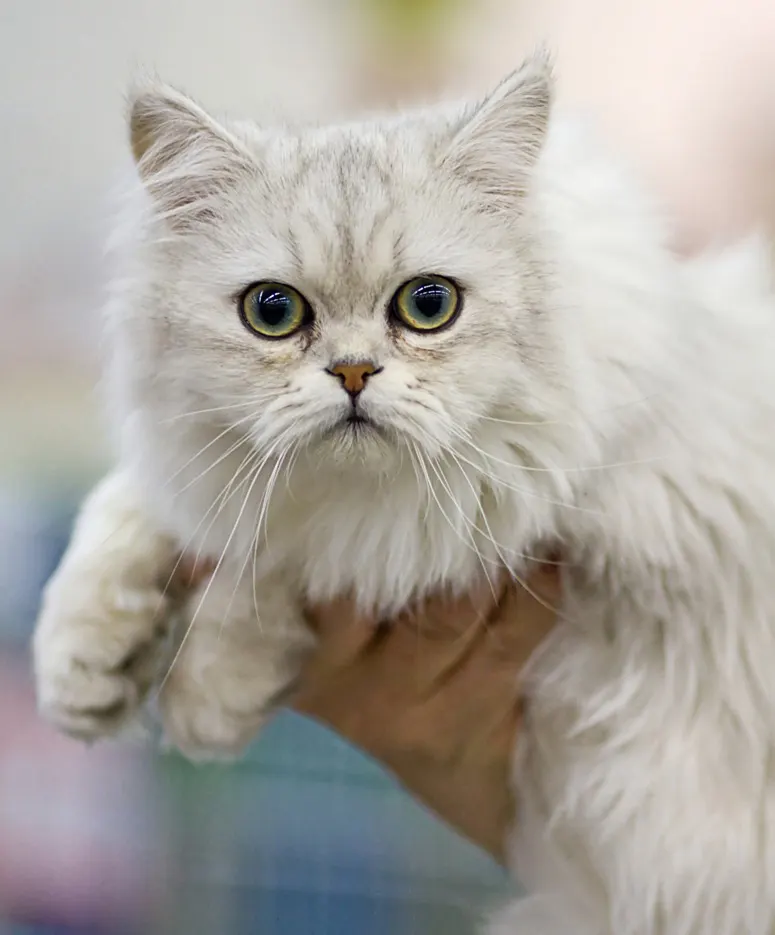
The Tiffanie (not to be confused with the American Chantilly-Tiffany) is a British breed that is essentially the semi-longhaired version of the Burmilla. It emerged from the Asian cat breed group in the United Kingdom, which developed from the original Burmilla breeding program that crossed Burmese cats with Chinchilla Persians.
Tiffanies have the beautiful silver-tipped or shaded coat of the Burmilla but with longer, silky fur that forms a full ruff around the neck and a plumed tail. They combine the elegance of a semi-longhaired cat with the sweet, people-oriented personality of the Burmese.
With a typical lifespan of 10-16 years, bringing a Tiffanie Cat into your home represents a significant commitment—one that, when properly informed, leads to one of the most rewarding companion animal relationships possible. The Tiffanie Cat's gentle, affectionate, intelligent character is not simply a breed description but reflects deep-seated behavioral tendencies shaped by genetics, early socialization, and the breed's historical development. Understanding these underlying factors helps owners create environments and routines that bring out the best in their Tiffanie Cat.
What many prospective Tiffanie Cat owners discover quickly is that this breed has a distinctive personality that sets it apart from the generic notion of what a cat is like. The gentle, affectionate, intelligent traits associated with Tiffanie Cat manifest in daily life through specific play preferences, social interaction patterns, vocalization tendencies, and activity rhythms. Some Tiffanie Cat are notably more interactive and demanding of attention than average, while others may display an independent streak that requires a different approach to bonding and enrichment. Understanding where your individual Tiffanie Cat falls on this spectrum—and adjusting your care approach accordingly—is one of the keys to a harmonious human-cat relationship.
Every feeding plan for a Tiffanie should end with a brief veterinary check, especially after weight, age, or health changes.
Personality & Temperament
Tiffanies have delightful, balanced personalities.
- Gentle and Sweet: They have a calm, loving disposition.
- People-Oriented: They enjoy being with their families and don't like being alone.
- Intelligent: Quick learners who enjoy interactive play and puzzles.
- Moderately Active: Playful without being hyperactive.
- Good Communicators: They communicate with soft, sweet voices.
- Adaptable: They adjust well to different household situations.
The gentle, affectionate, intelligent temperament of the Tiffanie Cat manifests in daily life through patterns of behavior that experienced owners learn to anticipate, appreciate, and manage. With Tiffanie Cat, these communicative behaviors are often more pronounced and distinctive than in many other breeds, which is part of what makes the breed so engaging for owners who take the time to learn their individual cat's behavioral vocabulary.
Common Health Issues
Tiffanies can inherit conditions from their parent breeds.
Inherited from Burmese Lines
- Diabetes Mellitus: Higher incidence in Burmese and related breeds.
- Hypokalemia: Low potassium causing muscle weakness; DNA testing available.
- Flat-Chested Kitten Syndrome: Rare developmental condition in kittens.
Inherited from Persian Lines
- Polycystic Kidney Disease (PKD): DNA testing available and recommended.
- Progressive Retinal Atrophy (PRA): Eye condition that can cause blindness.
General Health Concerns
- Dental Disease: Regular dental care is important.
- Obesity: Can occur without proper diet management.
Health Screening Recommendation
Ask breeders about PKD DNA testing and hypokalemia screening. Responsible breeders test for common conditions in both parent breeds. Consider Basepaws DNA testing for comprehensive screening.
Staying ahead of health concerns with your Tiffanie Cat starts with building a consistent relationship with a qualified veterinarian. Owners who track their Tiffanie Cat's eating habits, activity levels, and bathroom patterns at home give their vet a clearer picture at each visit, which often leads to earlier intervention and better outcomes overall.
Cost of Ownership
Understanding the full cost helps prepare for Tiffanie ownership.
| Expense Category | Annual Cost Estimate |
|---|---|
| Food (premium quality) | $300-$500 |
| Veterinary Care (routine) | $200-$400 |
| Pet Insurance | $200-$400 |
| Grooming Supplies | $75-$150 |
| Litter & Supplies | $200-$350 |
| Toys & Enrichment | $75-$150 |
| Total Annual Cost | $1,050-$1,950 |
Initial Costs: Tiffanie kittens from reputable breeders typically cost $800-$1,500. The breed is relatively rare, especially outside the UK.
Save on Tiffanie Care
Chewy Autoship - Save up to 35% on food & supplies | Lemonade Pet - Pet insurance coverage | Feliway - Stress reduction products
Setting aside a small emergency fund beyond your regular Tiffanie care budget is practical, not pessimistic.
The first year with a Tiffanie costs the most — between initial vet care, litter supplies, scratching posts, and quality food, the startup investment is significant.
Skipping a wellness check when your Tiffanie seems fine is tempting, but many conditions progress silently.
Activity Level & Exercise
Tiffanies have moderate activity needs.
- Interactive Play: 15-20 minutes of play daily
- Climbing Space: Cat trees and perches for observation
- Puzzle Toys: Mental stimulation keeps them engaged
- Social Time: They prefer being with family to solo activities
- Balanced Activity: Active play balanced with cuddle time
Nutrition & Feeding
Proper nutrition supports Tiffanie health and coat.
- High-Quality Protein: Animal protein should be the primary ingredient
- Omega Fatty Acids: Essential for their beautiful silky coat
- Portion Control: Monitor calories to prevent obesity
- Fresh Water: Always available; many prefer fountains
- Hairball Prevention: Consider foods with added fiber
Top Food Choices for Tiffanies
Smalls Cat Food - Human-grade fresh cat food | Nom Nom - Fresh, vet-formulated meals | Chewy - Wide selection of premium cat foods
Grooming Requirements
Tiffanies need regular grooming for their semi-long coat.
- Brushing: 2-3 times weekly to prevent mats and tangles
- Ruff Care: Pay attention to the neck ruff where mats can form
- Bathing: Occasionally as needed
- Nail Trimming: Every 2-3 weeks
- Ear Cleaning: Weekly checks and cleaning
- Dental Care: Regular brushing recommended
Tiffanies Are Great For:
- Families wanting a gentle, affectionate cat
- Homes with children and other pets
- Those who appreciate elegant, silver-coated cats
- People who enjoy grooming their pets
- Owners seeking a balanced, adaptable companion
Tiffanies May Not Be Ideal For:
- Those wanting immediate kitten availability (rare breed)
- People unable to commit to regular grooming
- Those away from home for long hours
- Anyone seeking a very active, energetic cat
Confidence that you can provide what a Tiffanie Cat needs is the first prerequisite. These two things together give you the best possible foundation for a rewarding experience with your new Tiffanie Cat.
What makes Tiffanie ownership genuinely rewarding often catches new owners by surprise.
Related Cat Breeds to Consider
If you're interested in Tiffanies, you might also consider.
- Burmilla - Shorthaired version, same personality
- Burmese - Parent breed influence, shorthaired
- Asian - Related breed group
- British Longhair - Similar coat type, different personality
Ask Our AI About Tiffanies
Have specific questions about Tiffanie health, grooming, or care? Our AI assistant can provide personalized guidance.
Related Health & Care Guides
Owners who understand this dimension of Tiffanie care rarely end up reacting to worst-case scenarios. Watch your individual Tiffanie for feedback signals, and tune routines to the patterns you actually see.
Get Personalized AI Guidance
Ask Our AI NowDecision Guides for Tiffanie Cat
Use these only when comparing food, insurance, ownership budget, or beginner fit for this specific pet.