Russian White
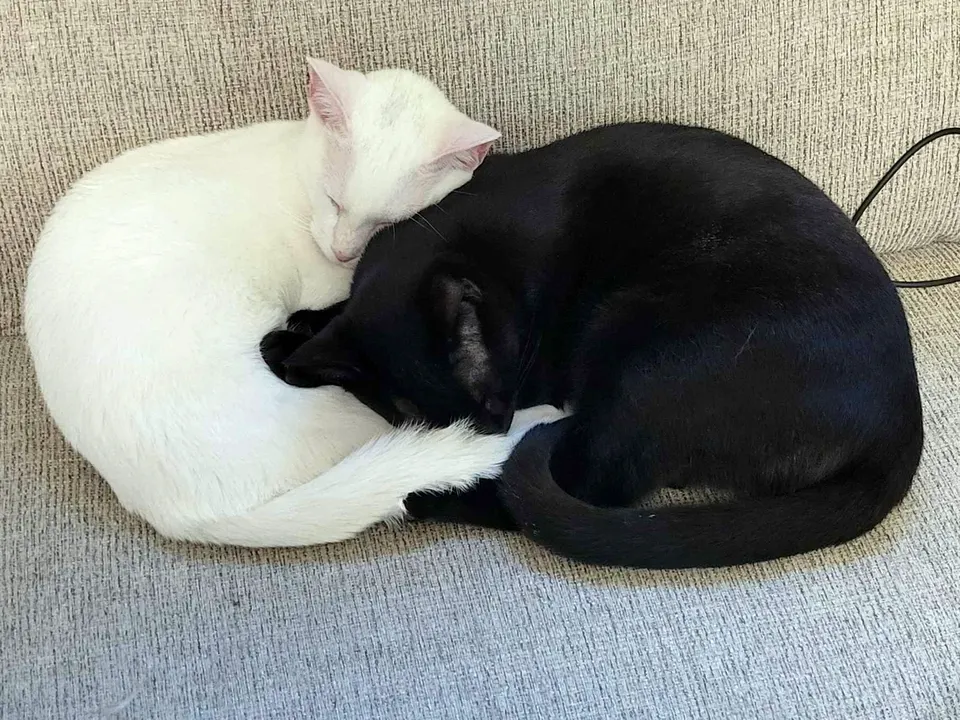
Quick Facts
| Attribute | Details |
|---|---|
| Size | Medium (8-15 lbs) |
| Lifespan | 15-20 years |
| Temperament | Gentle, Quiet, Loyal |
| Shedding | Low |
| Activity Level | Moderate |
| Good with Kids | Good |
| Good with Other Pets | Good |
| Grooming Needs | Low |
| Intelligence | Moderate |
Recommended for Russian Whites
Basepaws DNA Test - Genetic health screening | Spot Insurance - Coverage for breed-specific conditions | Chewy - Premium food & supplies
Russian White Overview
The Russian White is a medium cat breed known for being gentle, quiet, loyal. Weighing 8-15 lbs with a lifespan of 15-20 years, these cats make wonderful companions for the right owner.
Russian Whites are good with respectful family members and generally get along well with other pets when properly introduced.
With a typical lifespan of 15-20 years, bringing a Russian White into your home represents a significant commitment—one that, when properly informed, leads to one of the most rewarding companion animal relationships possible. The Russian White's gentle, quiet, loyal character is not simply a breed description but reflects deep-seated behavioral tendencies shaped by genetics, early socialization, and the breed's historical development. Understanding these underlying factors helps owners create environments and routines that bring out the best in their Russian White.
What many prospective Russian White owners discover quickly is that this breed has a distinctive personality that sets it apart from the generic notion of what a cat is like. The gentle, quiet, loyal traits associated with Russian White manifest in daily life through specific play preferences, social interaction patterns, vocalization tendencies, and activity rhythms. Some Russian White are notably more interactive and demanding of attention than average, while others may display an independent streak that requires a different approach to bonding and enrichment. Understanding where your individual Russian White falls on this spectrum—and adjusting your care approach accordingly—is one of the keys to a harmonious human-cat relationship.
Personality & Temperament
Russian Whites have distinctive personalities that set them apart.
- Gentle: This core trait defines the Russian White experience and makes them beloved companions.
- Quiet: Their quiet nature means they form strong bonds with their families.
- Loyal: Russian Whites show remarkable loyalty in daily life.
- Intelligence: With moderate intelligence, they are clever cats that enjoy interactive play.
- Social Nature: Russian Whites appreciate companionship while also valuing their independence.
The gentle, quiet, loyal temperament of the Russian White manifests in daily life through patterns of behavior that experienced owners learn to anticipate, appreciate, and manage. With Russian White, these communicative behaviors are often more pronounced and distinctive than in many other breeds, which is part of what makes the breed so engaging for owners who take the time to learn their individual cat's behavioral vocabulary.
Common Health Issues
Russian Whites are generally healthy, but can be prone to certain conditions.
Genetic Conditions
- Hypertrophic Cardiomyopathy (HCM): The most common heart disease in cats. Regular echocardiograms recommended.
- Progressive Retinal Atrophy: Some lines may carry genes for this eye condition. DNA testing available.
General Health Concerns
- Dental Disease: Regular dental care and cleanings help prevent periodontal issues.
- Obesity: Monitor food intake and ensure adequate exercise, especially for indoor cats.
- Kidney Disease: Common in aging cats. Regular bloodwork helps with early detection.
Health Screening Recommendation
Ask breeders for HCM screening results and genetic testing. Consider Basepaws DNA testing for comprehensive health screening of your Russian White.
Taking care of a Russian White's long-term health means knowing what to watch for and when to act.
Genetic testing gives Russian White owners a head start on conditions that might otherwise catch them off guard. By understanding which health risks are written into your Russian White's DNA, you can work with your vet to schedule targeted checks and make informed choices about diet, exercise, and supplementation.
The shift from prime adulthood to the senior phase is gradual for most Russian Whites, and the owners who navigate it best are the ones who adapt their care approach incrementally.
Cost of Ownership
| Expense Category | Annual Cost Estimate |
|---|---|
| Food (premium quality) | $400-$800 |
| Veterinary Care (routine) | $200-$400 |
| Pet Insurance | $300-$600 |
| Litter & Supplies | $200-$400 |
| Toys & Enrichment | $100-$300 |
| Grooming | $50-$150 |
| Total Annual Cost | $1,250-$3,050 |
Save on Russian White Care
Chewy Autoship - Save on food & litter | Lemonade Pet - Affordable cat insurance | Feliway - Stress reduction products
Nutrition & Feeding
- Wet & Dry Mix: A combination provides hydration benefits and dental health.
- Fresh Water: Always available; many cats prefer running water fountains.
Grooming Requirements
- Brushing: Weekly brushing is sufficient.
- Bathing: Rarely needed unless medically necessary.
- Nail Trimming: Every 2-3 weeks.
- Dental Care: Regular brushing recommended to prevent dental disease.
- Ear Cleaning: Weekly checks and cleaning as needed.
Is a Russian White Right for You?
Owners sometimes skip past this when planning for a Russian White, yet it quietly shapes quality of life across the years.
Russian Whites Are Great For:
- Owners looking for a balanced companion
- Households with respectful family members
- Those who appreciate a gentle feline companion
- People wanting a low-maintenance cat
Russian Whites May Not Be Ideal For:
- Those wanting a very active, dog-like cat
- Those who prefer a traditional-coated cat
- People away from home for extended periods
Ask Our AI About Russian Whites
Have specific questions about Russian White health, behavior, or care? Our AI assistant can provide personalized guidance.
Strip everything else away and Russian White ownership comes down to the relationship. Grooming, vet visits, and training are the operating costs; what they buy is a cat that recognises you, trusts you, and integrates into the household. Most Russian White owners describe that dynamic as the reason the rest of it is worth doing.
When to See the Vet
- Lumps and bumps: Any new or changing growths should be examined. While many are benign, early detection of cancerous masses improves treatment outcomes.
Diet and Nutrition Tips
- Quality ingredients: Choose foods with named animal proteins as the first ingredient. Avoid products with excessive fillers, artificial colors, and by-product meals.
- Life stage formula: Feed a diet appropriate for your Russian White's current life stage: kitten/kitten, adult, or senior formulations are designed for specific nutritional needs.
- Adjust portions based on activity level, age, and body condition.
- Fresh water: Provide clean, fresh water at all times. Change water daily and clean bowls regularly to prevent bacterial growth.
- Choose healthy options like small pieces of lean meat or vegetables.
- Supplements: Consult your veterinarian before adding supplements. Most high-quality commercial diets are nutritionally complete and do not require supplementation.
Exercise Requirements
Regular physical activity is vital for your Russian White's overall health, weight management, and mental well-being. Exercise needs vary by age, size, and individual temperament.
- daily play sessions: Interactive play sessions of 15-30 minutes multiple times daily keep your Russian White fit and engaged.
- Weather adjustments: Adjust outdoor activities based on weather conditions. Avoid strenuous exercise in extreme heat or cold.
- Mental exercise is just as tiring as physical activity.
Training Advice
Effective training uses positive reinforcement to build desired behaviors while strengthening the bond between you and your Russian White. Start early and be consistent for the best results.
- Start early: Begin socialization and basic training as soon as your Russian White comes home. The first few months are a critical learning period.
- Positive methods: Reward desired behaviors with treats, praise, or play. Positive reinforcement is proven more effective and humane than punishment-based methods.
- Socialization: Expose your Russian White to various people, animals, sounds, and environments in a positive way during the early socialization window.
- Keep sessions short: Training sessions of 5-15 minutes are most effective. End before your Russian White becomes bored or frustrated.
- Consistency matters: Use the same commands and rules across all family members. Inconsistency confuses your Russian White and slows learning.
Grooming Essentials
Regular grooming is about more than appearance. It maintains skin and coat health, allows you to check for abnormalities, and strengthens the bond between you and your Russian White.
- Brushing: Regular brushing removes loose hair, distributes natural oils, and prevents matting.
- Bathing: Bathe your Russian White every 4-8 weeks or as needed using a species-appropriate shampoo. Overbathing strips natural oils from the coat and skin.
- Nail care: Trim nails every 2-4 weeks. Keep styptic powder on hand in case of bleeding.
- Dental hygiene: Brush teeth several times weekly using pet-safe toothpaste.
- Ear cleaning: Check ears weekly for redness, odor, or discharge. Clean with a veterinarian-approved ear cleaner as needed.
Living Environment
- Safe spaces: Provide a dedicated area where your Russian White can retreat and rest undisturbed.
- Temperature: Maintain comfortable indoor temperatures. Russian Whites generally prefer warm, draft-free spaces and should always have shade and shelter available.
- Prevention is far better than emergency treatment.
Helpful Resources for Russian White Owners
Explore More Guides
Get Personalized AI Guidance
Ask Our AI NowDecision Guides for Russian White
Use these only when comparing food, insurance, ownership budget, or beginner fit for this specific pet.