American Wirehair
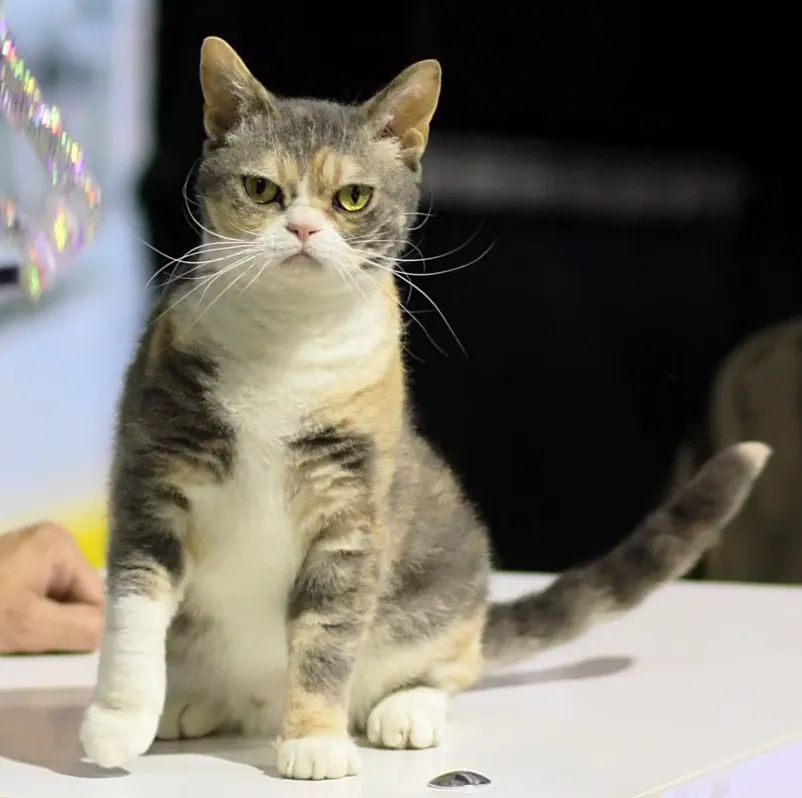
Quick Facts
| Attribute | Details |
|---|---|
| Size | Medium (8-12 lbs) |
| Lifespan | 14-18 years |
| Temperament | Easygoing, Affectionate, Playful |
| Shedding | Low to Moderate |
| Activity Level | Moderate |
| Vocalization | Low |
| Good with Kids | Excellent |
| Good with Other Pets | Excellent |
| Grooming Needs | Low (special care) |
| Intelligence | High |
Recommended for American Wirehairs
Basepaws DNA Test - Genetic health screening for cats | Spot Insurance - Coverage for health conditions | Chewy - Quality cat supplies
Save on American Wirehair Care
Chewy Autoship - Save up to 35% on food & supplies | Lemonade Pet - Affordable cat insurance from $12/month | Feliway - Stress reduction products
Top Food Choices for American Wirehairs
Smalls Cat Food - Human-grade fresh cat food | Nom Nom - Fresh, vet-formulated meals | Chewy - Wide selection of premium cat foods
A barn-cat mutation that stuck
In 1966 a litter of barn cats in Verona, New York, included a kitten whose coat was crimped instead of straight. That coat, including the whiskers, is still the whole point of the American Wirehair. Each hair hooks or bends, so the cat feels springy, a bit like wool, not like a plush Persian and not like a slick shorthair. They are medium cats, about 8 to 12 pounds, and they often live 14 to 18 years.
The personality that came along with the coat is easygoing, affectionate, and playful without the volume of a Siamese. Vocalization is low. Activity is moderate. They tend to like being in the room rather than on a shelf ignoring you, and they usually do well with children and other pets if the introductions are ordinary and calm.
Coat care is mostly restraint
Grooming needs are low, with a catch. A slicker brush used the way you would on a Maine Coon can break the crimp and leave the coat looking thin. Most Wirehairs only need a hand once a week to lift loose hair, and a bath when they have gotten into something. Overbathing softens the wire. Nails, teeth, and ears are the real maintenance, same as any cat.
Indoors is the safe plan. A cat tree, a window, and a couple of wand toys cover the moderate activity level. They are not a high-drive breed that dismantles the house, and they are not a statue. Scratching posts save the sofa because the breed is a cat, not because the coat is special.
Health, cost, rarity
No disease is unique to the wire mutation in the way hypertrophic cardiomyopathy is linked to some Maine Coon and Ragdoll lines, but HCM still happens in ordinary domestic cats. A vet who listens to the heart each year, plus dental checks, is the sensible program. Use a clinic that has seen this cat more than once, so weight and dental changes are compared with last year's notes.
Food, litter, and routine vet care often total about $1,025 to $1,900 a year, which is modest. The purchase price is not. Kittens are uncommon, and $800 to $2,000 is a normal range from a careful breeder; anything offered cheap and immediately, in several colors, from a parking lot, is a different animal with a wire-ish coat story. The TICA breed write-ups and the VCA cat library are the references worth using.
A Wirehair suits a first-time cat owner who can keep a cat inside and will not mind a pet that wants to be nearby. It is a poor project if you need a kitten this weekend. Not eating for a day, hiding, or breathing with the mouth open is a clinic trip; the cat not-eating guide and the checker are the shortcuts on this site.
American Wirehair, plainly
Where did the American Wirehair come from?
A spontaneous mutation in a barn-cat litter in Verona, New York, in 1966. The crimped coat was then bred on, and it remains one of the rarer pedigreed cats in North America.
How do you groom a wiry coat?
Very little. Brushing hard and bathing often can soften or break the crimp. A weekly pass with your fingers, and a bath only when the cat is actually dirty, keeps the coat springy.
Are they beginner cats?
Temperament-wise, yes: playful, affectionate, and usually fine with children and other pets. The hard part is finding a healthy kitten, because the breed is scarce and prices reflect that.
How long do they live?
Often 14 to 18 years, in line with the quick facts on this page. There is no single Wirehair disease the way there is a flat-faced airway problem. Screen for the heart and dental issues any cat can develop.
Decision Guides for American Wirehair
Use these only when comparing food, insurance, ownership budget, or beginner fit for this specific pet.