American Bobtail
Quick Facts
| Attribute | Details |
|---|---|
| Size | Medium to Large (7-16 lbs) |
| Lifespan | 13-18 years |
| Temperament | Friendly, Adaptable, Intelligent |
| Shedding | Moderate |
| Activity Level | Moderate |
| Vocalization | Low (chirps and trills) |
| Good with Kids | Excellent |
| Good with Other Pets | Excellent |
| Grooming Needs | Low to Moderate |
| Intelligence | High |
Recommended for American Bobtails
Basepaws DNA Test - Genetic health screening for cats | Spot Insurance - Coverage for health conditions | Chewy - Quality cat supplies
American Bobtail Overview
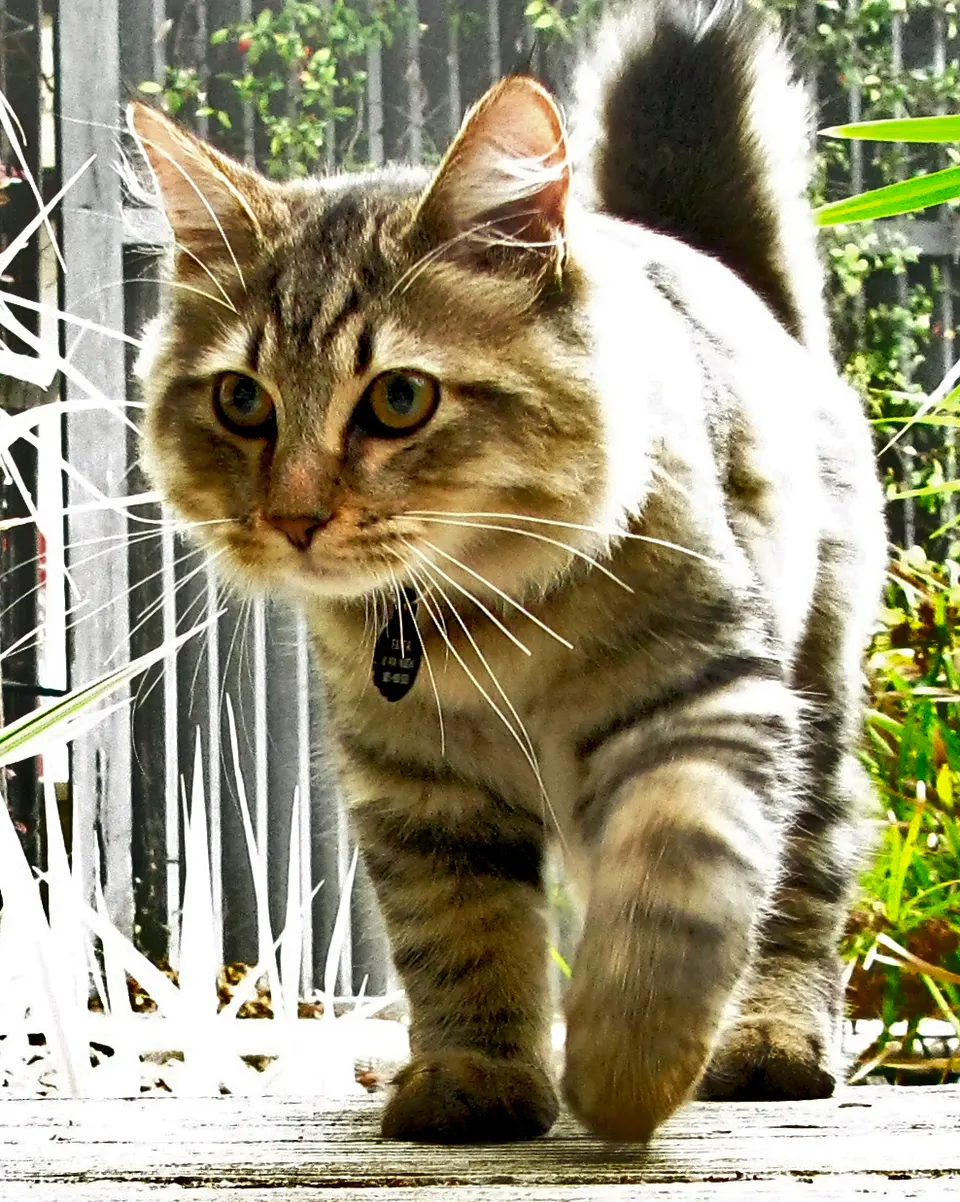
The American Bobtail is a naturally occurring breed that looks wild but has an exceptionally sweet temperament. Their distinctive shortened tail, which is one-third to one-half the length of a normal cat's tail, occurred through natural genetic mutation rather than selective breeding or tail docking.
The breed originated in the late 1960s when a couple found a short-tailed brown tabby kitten while vacationing in Arizona. This cat, named Yodie, was crossed with a Siamese, and the resulting kittens had the same bobbed tails. The breed has been developed to maintain its wild appearance while possessing a gentle, loving nature.
With a typical lifespan of 13-18 years, bringing an American Bobtail into your home represents a significant commitment—one that, when properly informed, leads to one of the most rewarding companion animal relationships possible. The American Bobtail's friendly, adaptable, intelligent character is not simply a breed description but reflects deep-seated behavioral tendencies shaped by genetics, early socialization, and the breed's historical development. Understanding these underlying factors helps owners create environments and routines that bring out the best in their American Bobtail.
What many prospective American Bobtail owners discover quickly is that this breed has a distinctive personality that sets it apart from the generic notion of what a cat is like. The friendly, adaptable, intelligent traits associated with American Bobtail manifest in daily life through specific play preferences, social interaction patterns, vocalization tendencies, and activity rhythms. Some American Bobtail are notably more interactive and demanding of attention than average, while others may display an independent streak that requires a different approach to bonding and enrichment. Understanding where your individual American Bobtail falls on this spectrum—and adjusting your care approach accordingly—is one of the keys to a harmonious human-cat relationship.
A brief conversation with your veterinarian translates this general American Bobtail framework into a plan that fits the individual animal.
Personality & Temperament
American Bobtails are known as "Golden Retrievers of the cat world".
- Adaptable Nature: They adjust well to new environments and changes in routine.
- Therapy Cat Potential: Their calm, friendly nature makes them excellent therapy animals.
- Travel Companions: Many American Bobtails adapt well to traveling and RV life.
- Intelligent Problem-Solvers: They can learn to open doors, play fetch, and escape from enclosures.
- Quiet Communicators: They use chirps, clicks, and trills rather than loud meowing.
- Devoted but Not Demanding: They enjoy human company without being clingy.
The friendly, adaptable, intelligent temperament of the American Bobtail manifests in daily life through patterns of behavior that experienced owners learn to anticipate, appreciate, and manage. With American Bobtail, these communicative behaviors are often more pronounced and distinctive than in many other breeds, which is part of what makes the breed so engaging for owners who take the time to learn their individual cat's behavioral vocabulary.
Common Health Issues
American Bobtails are generally healthy due to their naturally diverse gene pool.
Tail-Related Concerns
- Spinal Issues: Rarely, the gene affecting tail length can impact the spine. Reputable breeders screen for this.
- Shortened Spine Complications: Some cats may have slightly shortened spines, though this rarely causes problems.
General Health Concerns
- Hip Dysplasia: Occasionally seen in larger individuals.
- Polycystic Kidney Disease: Rare but can occur; DNA testing available.
- Obesity: Their stocky build can mask weight gain.
- Dental Disease: Regular dental care is important.
Health Screening Recommendation
Ask breeders about spinal health and avoid cats with completely tailless breeding, as this can indicate more severe spinal issues. Consider Basepaws DNA testing for health screening.
Health management for an American Bobtail works best when owners treat it as an ongoing conversation with their veterinarian rather than an once-a-year formality.
For American Bobtail owners interested in data-driven care, genetic testing offers a practical advantage.
Every American Bobtail ages differently, but there are common patterns worth watching for. Owners who recognize these shifts as opportunities to recalibrate — rather than signs that the end is near — position their American Bobtail for a much more comfortable senior stage.
Cost of Ownership
Understanding the full cost helps prepare for American Bobtail ownership.
| Expense Category | Annual Cost Estimate |
|---|---|
| Food (premium quality) | $350-$600 |
| Veterinary Care (routine) | $200-$400 |
| Pet Insurance | $200-$400 |
| Grooming Supplies | $50-$150 |
| Litter & Supplies | $200-$350 |
| Toys & Enrichment | $100-$200 |
| Total Annual Cost | $1,100-$2,100 |
Initial Costs: American Bobtail kittens from reputable breeders typically cost $600-$1,200. Show-quality cats can range from $1,500-$2,500.
Save on American Bobtail Care
Chewy Autoship - Save up to 35% on food & supplies | Lemonade Pet - Affordable cat insurance from $12/month | Feliway - Stress reduction products
Activity Level & Exercise
American Bobtails have moderate activity levels.
- Interactive Play: 15-20 minutes of play daily keeps them satisfied
- Hunting Games: They enjoy stalking and pouncing games that mimic hunting
- Puzzle Toys: Their intelligence appreciates mental challenges
- Climbing: Moderate climbers who appreciate cat trees
- Fetch: Many American Bobtails naturally enjoy playing fetch
Nutrition & Feeding
Proper nutrition supports American Bobtail health.
- High-Quality Protein: Animal protein should be the first ingredient
- Weight Management: Monitor portions carefully as their stocky build hides weight gain
- Joint Support: Consider foods with glucosamine for larger individuals
- Fresh Water: Multiple water sources throughout the home
- Avoid Overfeeding: They can be food-motivated; don't give in to begging
Top Food Choices for American Bobtails
Smalls Cat Food - Human-grade fresh cat food | Nom Nom - Fresh, vet-formulated meals | Chewy - Wide selection of premium cat foods
Grooming Requirements
American Bobtails come in both shorthair and longhair varieties.
- Shorthair: Weekly brushing to remove loose hair
- Longhair: 2-3 times weekly brushing; more during shedding seasons
- Bathing: Occasional baths as needed
- Nail Trimming: Every 2-3 weeks
- Ear Cleaning: Weekly checks and cleaning as needed
- Dental Care: Regular brushing recommended
Is an American Bobtail Right for You?
Think of this as the knowledge layer that most American Bobtail owners skip and later wish they had started with. Watch your individual American Bobtail for feedback signals, and tune routines to the patterns you actually see.
American Bobtails Are Great For:
- Families with children of all ages
- Homes with other pets including dogs
- Those who travel frequently (they adapt well)
- First-time cat owners
- People seeking a wild look with a gentle personality
American Bobtails May Not Be Ideal For:
- Those wanting a very vocal, talkative cat
- People seeking an extremely active, high-energy cat
- Those who want a typical long-tailed cat appearance
- Anyone looking for a purely lap cat
Bringing home an American Bobtail is a commitment that deserves a careful start. The difference between a thoughtfully sourced American Bobtail and one acquired impulsively can be dramatic in terms of health, temperament, and long-term costs.
Owning an American Bobtail reshapes your daily routine in subtle ways that most owners come to value.
Related Cat Breeds to Consider
If you're interested in American Bobtails, you might also consider.
- Japanese Bobtail - Similar bobbed tail, more active
- Pixie-bob - Similar wild appearance, bobbed tail
- Manx - Tailless or stub tail, similar build
- Cymric - Longhaired Manx, similar tail variation
Ask Our AI About American Bobtails
Have specific questions about American Bobtail health, behavior, or care? Our AI assistant can provide personalized guidance.
Related Health & Care Guides
Owners sometimes skip past this when planning for a American Bobtail, yet it quietly shapes quality of life across the years.
Get Personalized AI Guidance
Ask Our AI NowDecision Guides for American Bobtail
Use these only when comparing food, insurance, ownership budget, or beginner fit for this specific pet.